Aftermarket vs Original iPhone Screen: What Repair Shops Should Stock
17 November 2026 · LightspeedTools team
Short answer: Original iPhone screens give the best colour, brightness, touch response and battery life, but cost more. Aftermarket screens (Incell LCD, Hard OLED and Soft OLED) cost less and vary widely in quality. Most repair shops do best stocking two or three tiers for each popular model: an original or original-pull option for customers who want factory quality, a good Soft OLED as the mid-price choice, and an Incell or Hard OLED for budget repairs.
The real question for a shop is not just "which screen is better" but which mix of screens keeps customers happy, keeps comebacks low and keeps cash from sitting on the shelf. This guide breaks down every screen type you will be offered, how they actually differ on the bench, and how to build a sensible stock plan.
The screen types you will be offered
Suppliers use a lot of names for iPhone displays. Underneath the labels, there are really two families: screens made by Apple's panel suppliers (original) and screens made by third-party factories (aftermarket).
Original screens
- Original New – a factory panel that has not been used in a phone. Same panel, flex and coatings as the phone shipped with.
- Original Refurb – an original panel (usually with cracked glass) that has been given new cover glass, OCA and frame by a refurbishing line. The display itself is genuine.
- Original Pull – a working screen removed from a donor phone. Condition varies, which is why pulls are graded. Ours are graded A (like-new) or B (light marks). Browse them in original pulled screens.
Aftermarket screens
- Incell LCD – an LCD panel with the touch layer built in. It is the cheapest way to replace an OLED iPhone screen, but it is thicker, cannot show true black, and usually draws more power than the OLED it replaces.
- Hard OLED – a real OLED panel on a rigid substrate. Colours and blacks are much closer to original than Incell, but the bottom border is often a little wider because the panel cannot fold under like the original.
- Soft OLED – a flexible OLED, built the same way as the original. It is the closest aftermarket option in thickness, bezel size and image quality.
For LCD iPhones (iPhone 8 and earlier, XR and 11), the choice is simpler: original versus a good aftermarket LCD. An iPhone 8 / SE 2nd / SE 3rd LCD and digitizer assembly is a typical example of a high-volume part where one quality aftermarket line covers three models.
Aftermarket vs original iPhone screen: side-by-side
| Type | Image quality | Thickness and fit | Battery impact | Our warranty | Best for |
|---|---|---|---|---|---|
| Original New | Factory | Factory | Factory | 12 months | Premium repairs, newest models |
| Original Refurb | Factory panel | Factory | Factory | 12 months | Original quality at a lower price |
| Original Pull (A/B) | Factory panel | Factory | Factory | 6 months | Value-minded customers who want genuine |
| Premium Soft OLED | Close to original | Close to original | Close to original | 12 months | Your main mid-range option |
| Hard OLED | Good, true blacks | Slightly wider bottom border | Moderate | 6 months | Budget OLED repairs |
| Incell LCD | Lower contrast, no true black | Thicker panel | Usually higher drain | 3 months | Cheapest repair, older phones |
Details such as brightness, refresh rate and touch feel vary by model and by factory batch, so treat the table as a general guide. On ProMotion models, for example, check what refresh rate an aftermarket screen supports before you quote it. Our quality grades page explains exactly what each grade means.
What customers notice (and what they don't)
Customers rarely know the words "Incell" or "Soft OLED". What they notice is:
- Colour and black levels. Someone moving from an OLED to an Incell will often see greyer blacks and a cooler or flatter image, especially in a dark room.
- Battery life. An Incell on an OLED phone can shorten screen-on time. This is a common source of "my battery got worse after the repair" complaints.
- Touch feel. Cheap panels can feel less responsive near the edges or with fast typing.
- Fit. A thick panel or a slightly raised edge is noticed straight away, and can stress the frame or adhesive.
- The "Unknown part" message. On recent iPhones, Settings shows a notice after a non-Apple screen is fitted. The phone still works normally. True Tone can be restored on supported models by copying the original screen's data with a programmer.
Explain these points before the repair, not after. A customer who chose a budget screen knowing the trade-offs is far less likely to come back angry.
What technicians get wrong
- Selling one tier only. If you only stock Incell, you lose customers who would pay for better. If you only stock originals, you lose price shoppers. Two or three tiers per model is the sweet spot.
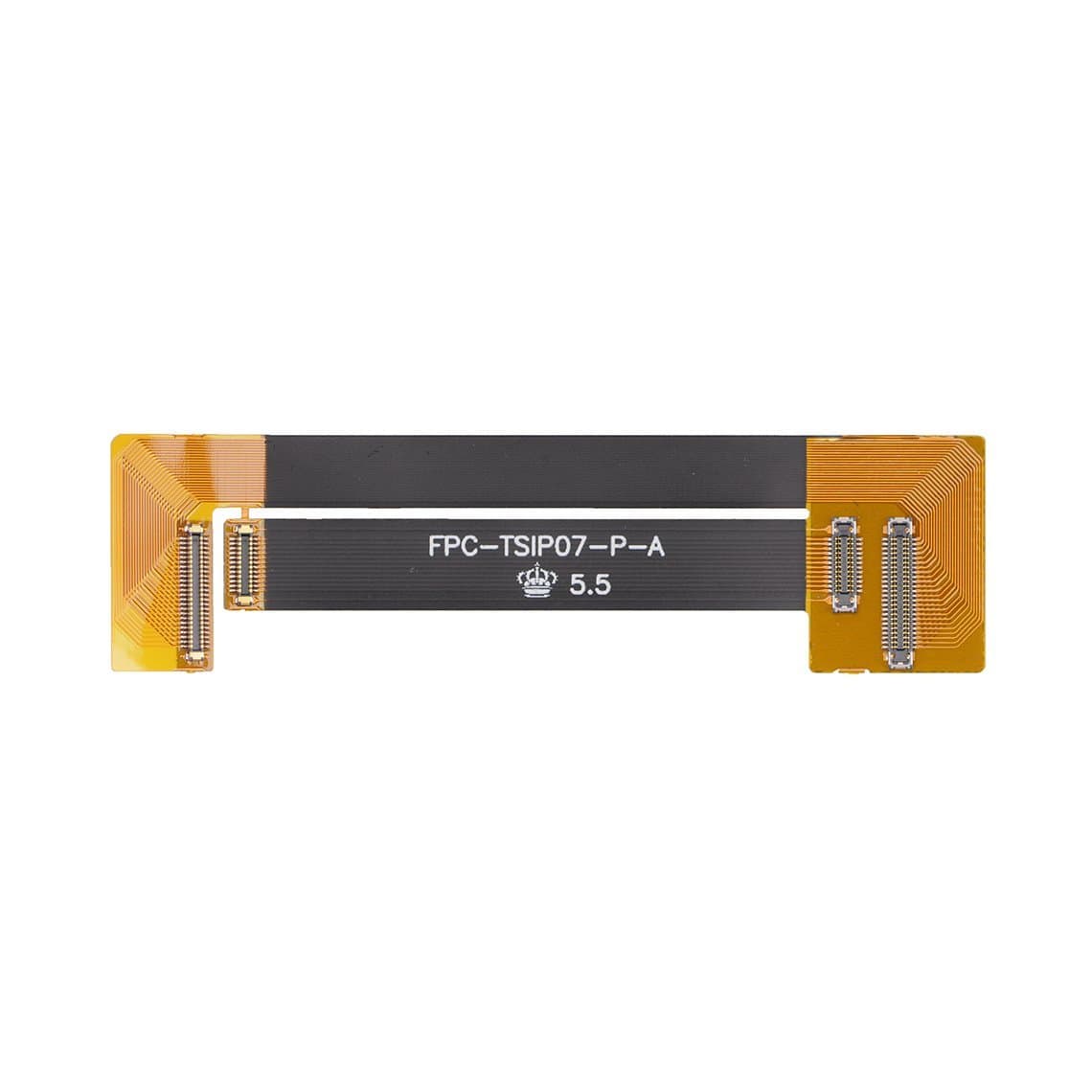
- Not testing before fitting. Plugging the new screen in and checking touch, colour, brightness and Face ID / proximity before you seal the phone saves a second teardown. A test cable makes this faster on the bench, for example a 3D/LCD screen testing cable for iPhone X/XS or an FPC testing cable for iPhone 7 Plus.
- Skipping small parts. Original screens have shielding, foam and stickers on the back. Leaving them off can cause touch interference, heat spots or pressure marks. Transfer them or replace them with parts like conductive foam for iPhone XS Max and matching insulator stickers.
- Damaging the earpiece and sensor flex. On Face ID models, the front sensors must be moved carefully to the new screen. A torn flex can break Face ID and that repair cannot be undone with a replacement part.
- Judging a screen on day one only. Some low-grade panels develop issues after days of use. Buy from a supplier that tests before shipping and backs grades with a clear warranty.
Refurbishing: the third option for shops with volume
If your shop sees a steady flow of cracked OLED screens with working displays, refurbishing your own original panels can make sense. The process is: separate the cracked glass, remove old OCA, clean, laminate new glass with OCA, then remove bubbles under pressure.
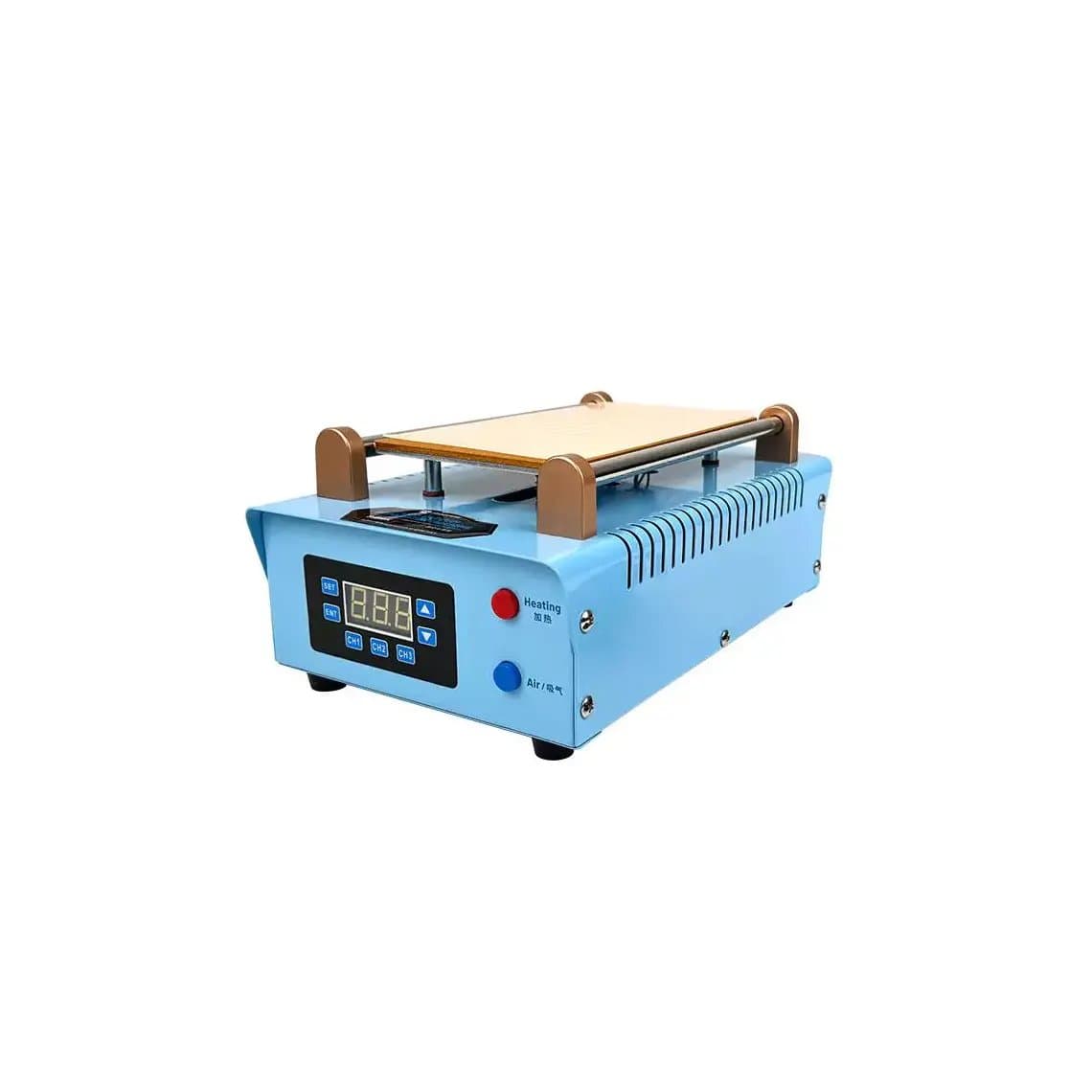
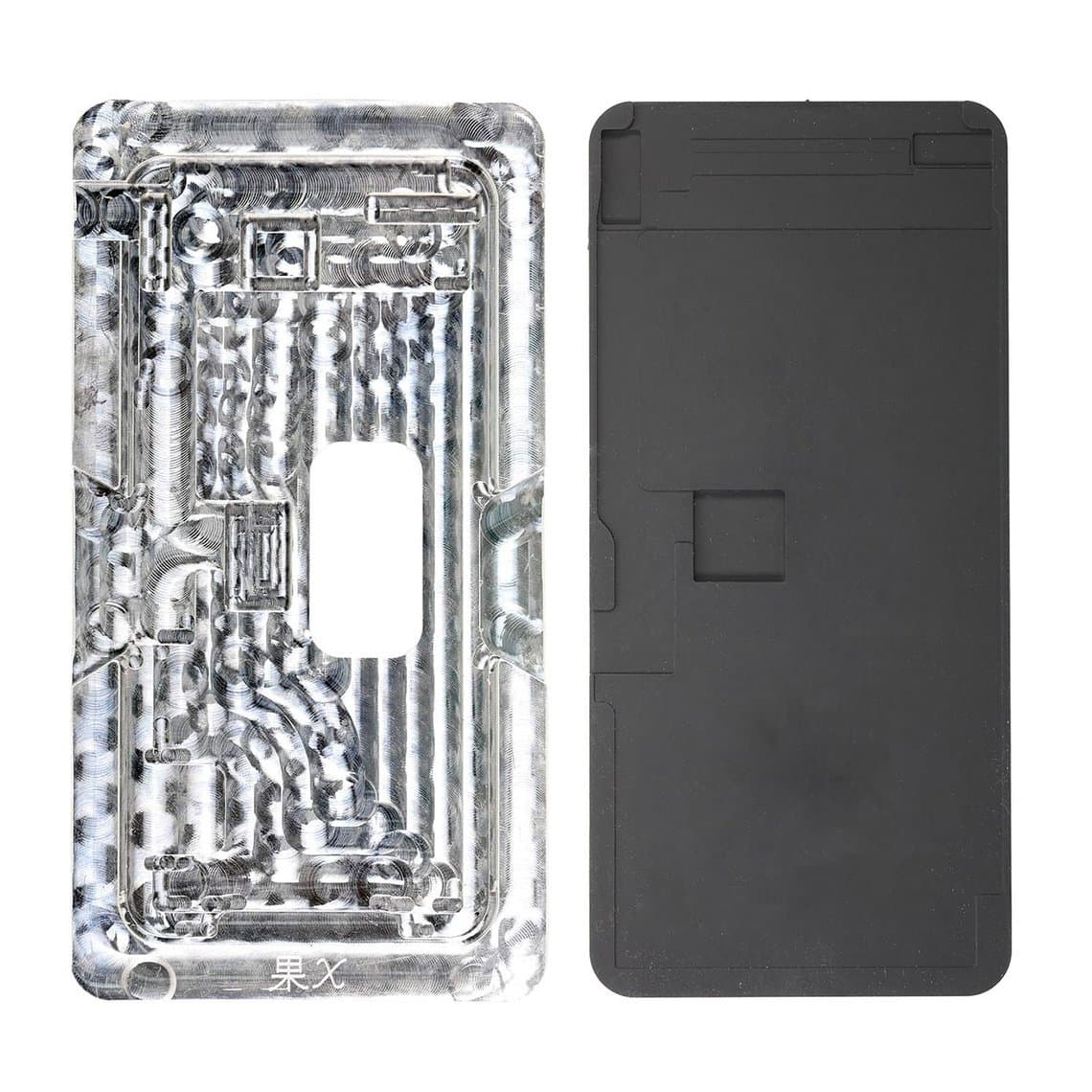
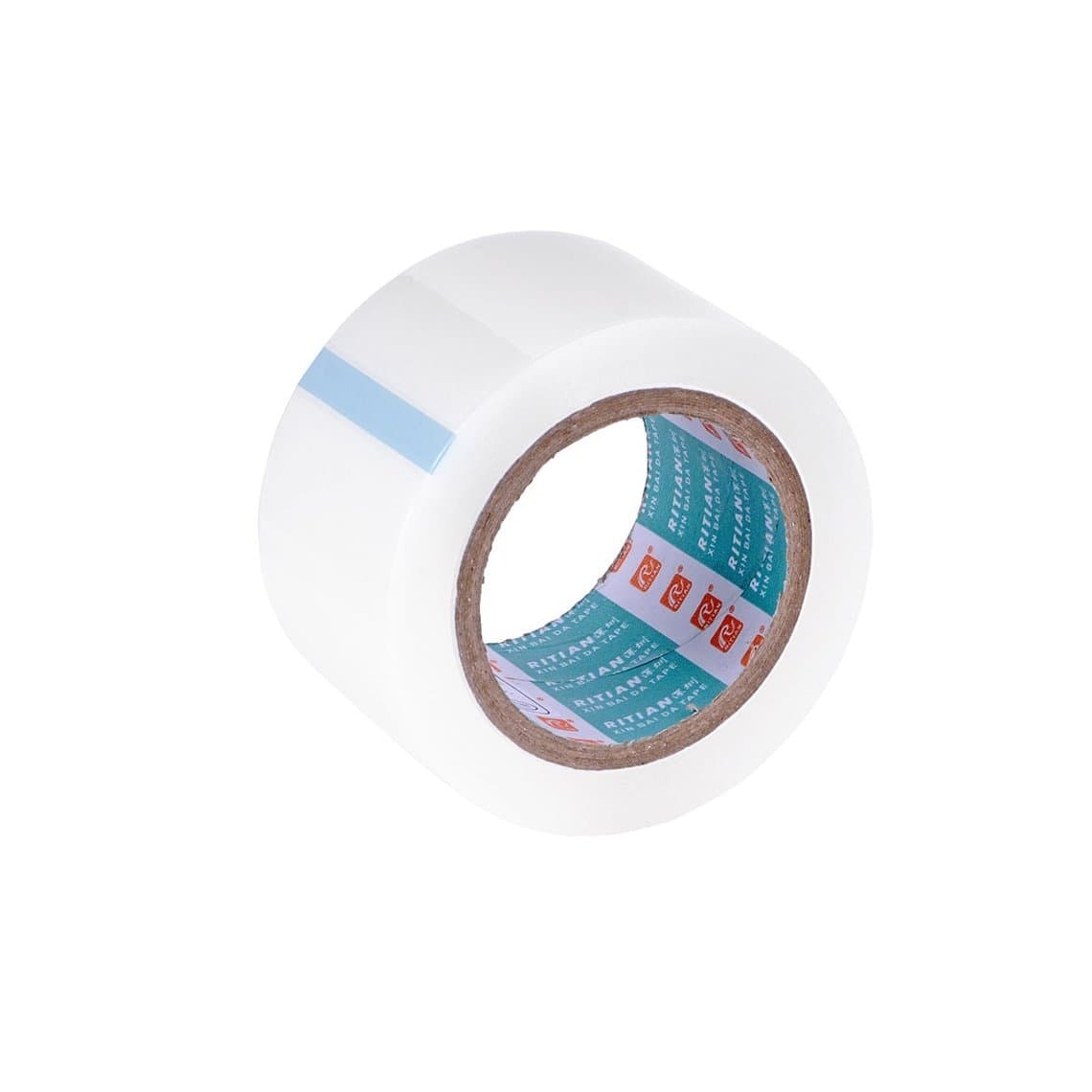
The typical kit includes a heated separator such as the Sunshine S-918K separator and OCA glue remover, fine cutting wire, a model-specific laminating positioning mould and a bubble remover such as the TBK-968C OCA autoclave. Keep the work area clean: dust remover tape is cheap insurance against specks trapped under the glass. On LCD panels, a damaged polarizer can also be replaced, for example with a polarizer film for iPhone X/XS.
Refurbishing has a learning curve and some panels will break during separation. It suits shops with enough volume to justify the setup; smaller shops are usually better off buying Original Refurb screens ready to fit.
Safety note: separators run hot and OCA removers are solvents. Work with ventilation, wear gloves and eye protection when cutting glass, and never leave a heated plate unattended.
How to build your screen stock plan
Step 1: List your top models
Look at your last few months of repair tickets. Most shops find a handful of models make up most screen jobs. Those models deserve full tier coverage; rare models can be ordered as needed.
Step 2: Choose tiers per model
- Current and recent flagships: Original New or Original Refurb, plus Soft OLED.
- Mid-age OLED models: Original Pull and Soft OLED, with Hard OLED or Incell for budget quotes.
- Older and LCD models: a reliable aftermarket LCD, plus an original pull for customers who ask.
Step 3: Set clear price steps
Make the difference between tiers easy to explain: "Budget screen, 3-month warranty. Premium screen, 12-month warranty, closest to original." Clear steps help customers choose up rather than walk out.
Step 4: Reorder in small, frequent batches
Screen prices and availability change. Ordering smaller amounts more often keeps money free and reduces the risk of holding stock for models that are slowing down. You can reorder by SKU or upload a CSV through quick order.
Questions
Are aftermarket iPhone screens bad?
Not necessarily. A good Soft OLED is close to original in most daily use, while a cheap Incell has clear trade-offs in contrast and battery life. Quality depends on the screen type and the supplier, so buy graded screens with a written warranty.
Can you tell if an iPhone screen is original?
Often, yes. On recent iPhones, Settings shows a message if a non-genuine display is fitted, and technicians can spot differences in black levels, bezel size, flex markings and thickness. A genuine screen moved from another iPhone can also show a notice on many models, so the message alone does not prove the screen is aftermarket.
Does an aftermarket screen affect Face ID or True Tone?
Face ID depends on the front sensors, not the display panel, so it keeps working if those sensors are transferred without damage. True Tone is lost after a screen swap unless you copy the original screen's data with a programmer, which is possible on supported models.
Is Soft OLED better than Hard OLED?
Generally, yes. Soft OLED is flexible like the original, so it is thinner with a bottom border closer to factory, while Hard OLED is rigid and usually has a slightly wider bottom border. Hard OLED is still a big step up from Incell for customers on a budget.
Ready to stock up? Browse all iPhone screens by model and grade. Every screen is tested before it ships from Shenzhen by DHL, FedEx or UPS. Open a wholesale account to unlock wholesale prices after $500 of purchases, and use quick order to reorder by SKU or CSV in minutes.