How Much to Charge for Phone Repair: A Simple Pricing Formula
17 November 2026 · LightspeedTools team
Short answer: Charge for phone repair with a formula, not a guess: parts cost, plus your labour time at an hourly rate, plus a warranty reserve, plus a share of your overheads, plus a margin. Then check the result against your local market and offer good, better and best options based on part grade. Quote before you open the phone, and explain what the customer is paying for.
Pricing is where many repair shops lose money without noticing. They copy the shop down the road, round the number off, and hope it works out. This guide gives you a simple pricing method you can apply to any repair, so every quote covers your costs and still feels fair to the customer.
Why copying local prices is risky
Your competitor might pay a different price for parts, pay lower rent, use cheaper screens or simply be losing money. If you copy their number, you copy their mistakes too.
Local prices are still useful, but as a check at the end, not a starting point. Build the price from your own costs first, then see where it lands against the market.
The pricing formula
Repair price = Parts cost + (Labour minutes × Rate per minute) + Risk and warranty reserve + Overhead share + Margin
Here is what each piece means and how to set it.
1. Parts cost
Use your real landed cost: what you paid for the part, plus its share of shipping, duties and any card or transfer fees. Small extras like adhesive, screws and screen protectors belong here too.
If prices move often, update this line every time you restock, not once a year.
2. Labour minutes × rate
Time the job honestly. Include checking the phone in, opening, fitting, testing, cleaning and handing it back. Use your normal time, not your fastest.
Your rate per minute is the hourly wage you want for the person doing the work, divided by 60. If you do the repairs yourself, pay yourself a proper rate in this line. If you do not, your shop looks profitable on paper while you work for free.
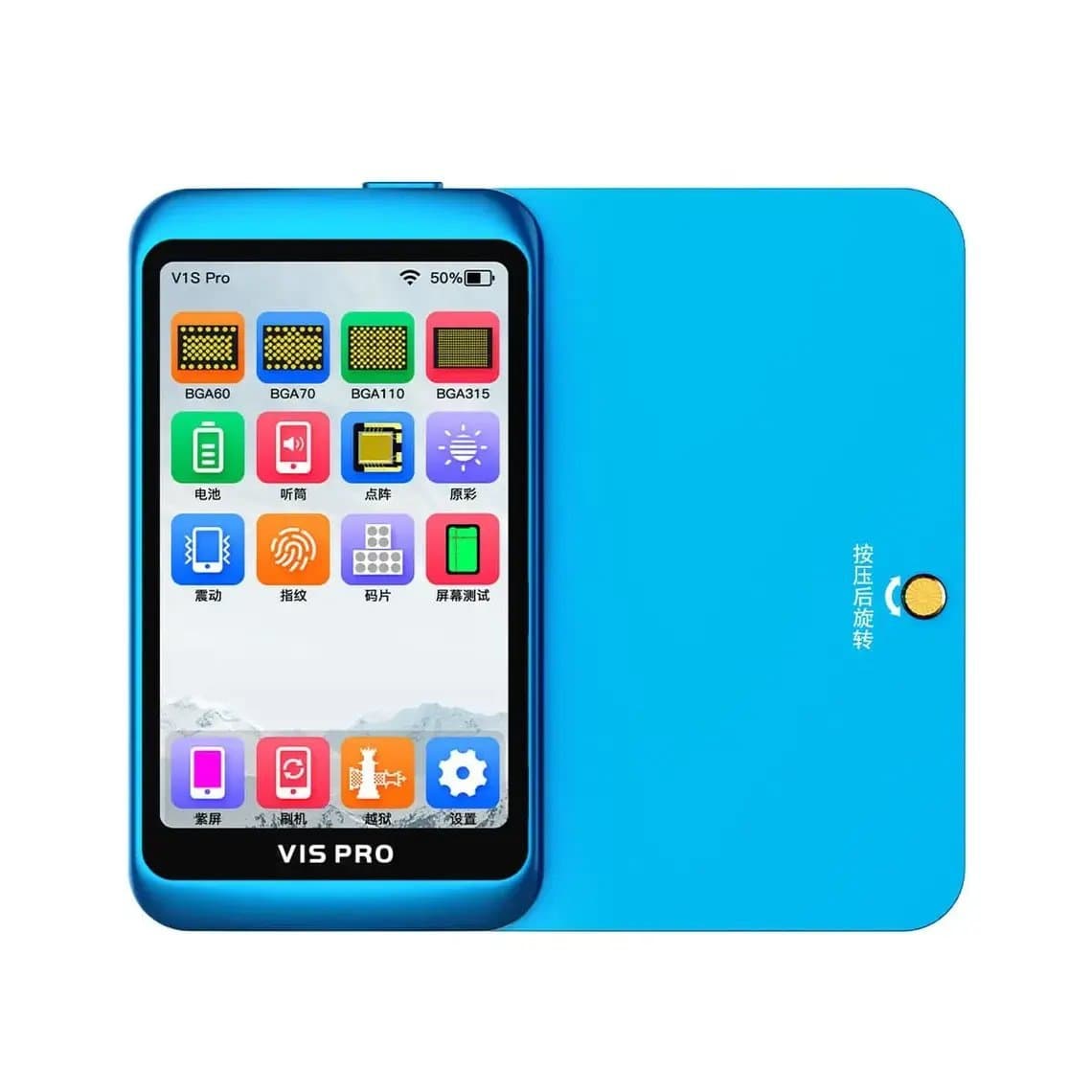
Some jobs need extra steps that add minutes. A battery swap on a newer iPhone may need its data moved across so the health reading shows correctly. A tool like the JCID V1S Pro programmer handles that, and the time it takes belongs in the price.
3. Risk and warranty reserve
Every repair carries some risk: a part that fails early, a fragile frame that cracks during opening, or a phone with hidden damage. Every warranty you give also means some jobs will come back.
Add a small reserve per job to cover this. Set it higher for:
- Lower-grade parts with shorter supplier warranties.
- Phones with water damage, bent frames or previous repairs.
- Jobs where opening risks damaging another part, such as curved screens or glued-in back glass.
Match the warranty you give customers to the warranty you get. Our warranty page lists the period for each screen grade and for batteries.
4. Overhead share
Overheads are rent, utilities, software, insurance, marketing, tool wear and any staff not doing repairs. Add them up for a month and divide by the number of repairs you expect to do in that month. That is the overhead share each job must carry.
Use a realistic repair count. If you assume a busy month every month, your overhead share will be too low and quiet months will hurt.
5. Margin
Margin is the profit left after everything else is covered. It pays for growth, new tools, slow months and mistakes. Decide what you want this to be and keep it in the formula, rather than hoping something is left over.
Putting it together with placeholders
| Line | Placeholder | Where the number comes from |
|---|---|---|
| Parts cost | P | Supplier invoice + shipping and fees |
| Labour | M × R | Timed bench minutes × (hourly wage ÷ 60) |
| Risk and warranty reserve | W | Higher for lower grades and risky phones |
| Overhead share | O ÷ N | Monthly overheads ÷ repairs per month |
| Margin | G | The profit you choose to keep |
| Price | P + M×R + W + O÷N + G | Then round to a clean customer-facing number |
Put this in a simple spreadsheet with one row per model and repair type. When a part cost changes, the price updates itself.
Price by grade: good, better, best
Customers want different things. Some want the cheapest fix that works; others want the closest thing to the original. Offering three tiers lets them choose, and it usually means fewer people walk out.
Screen grades make this easy. Our quality grades guide explains each one in detail.
| Tier | Example screen grades | Supplier warranty | Who it suits |
|---|---|---|---|
| Good | Incell, Hard OLED | 3 months (Incell), 6 months (Hard OLED) | Older phones, tight budgets, phones being sold on |
| Better | Premium Soft OLED, Original Pull | 12 months (Soft OLED), 6 months (Original Pull) | Most everyday customers who want a good display at a fair price |
| Best | Original Refurb, Original New | 12 months | Newer phones, heavy users, customers who want original quality |
Run each tier through the formula separately. The parts cost changes, and so should the warranty reserve: a grade with a shorter supplier warranty needs a bigger reserve if you offer the customer a longer one.
You can stock all three tiers for the common models from our iPhone screens and Samsung screens ranges.
Quote before you open the phone
Give a price before you pick up a screwdriver. A clear quote up front avoids arguments later and builds trust.
- Check the phone in. Test what works: touch, Face ID or fingerprint, cameras, speakers, charging, buttons. Note it on the ticket.
- Look for hidden problems. Bent frames, swollen batteries, water marks, signs of a previous repair.
- Give a written quote for the agreed repair and grade, with the warranty period.
- Say what could change it. If opening reveals more damage, you will call before doing anything extra.
- Get agreement, then start.
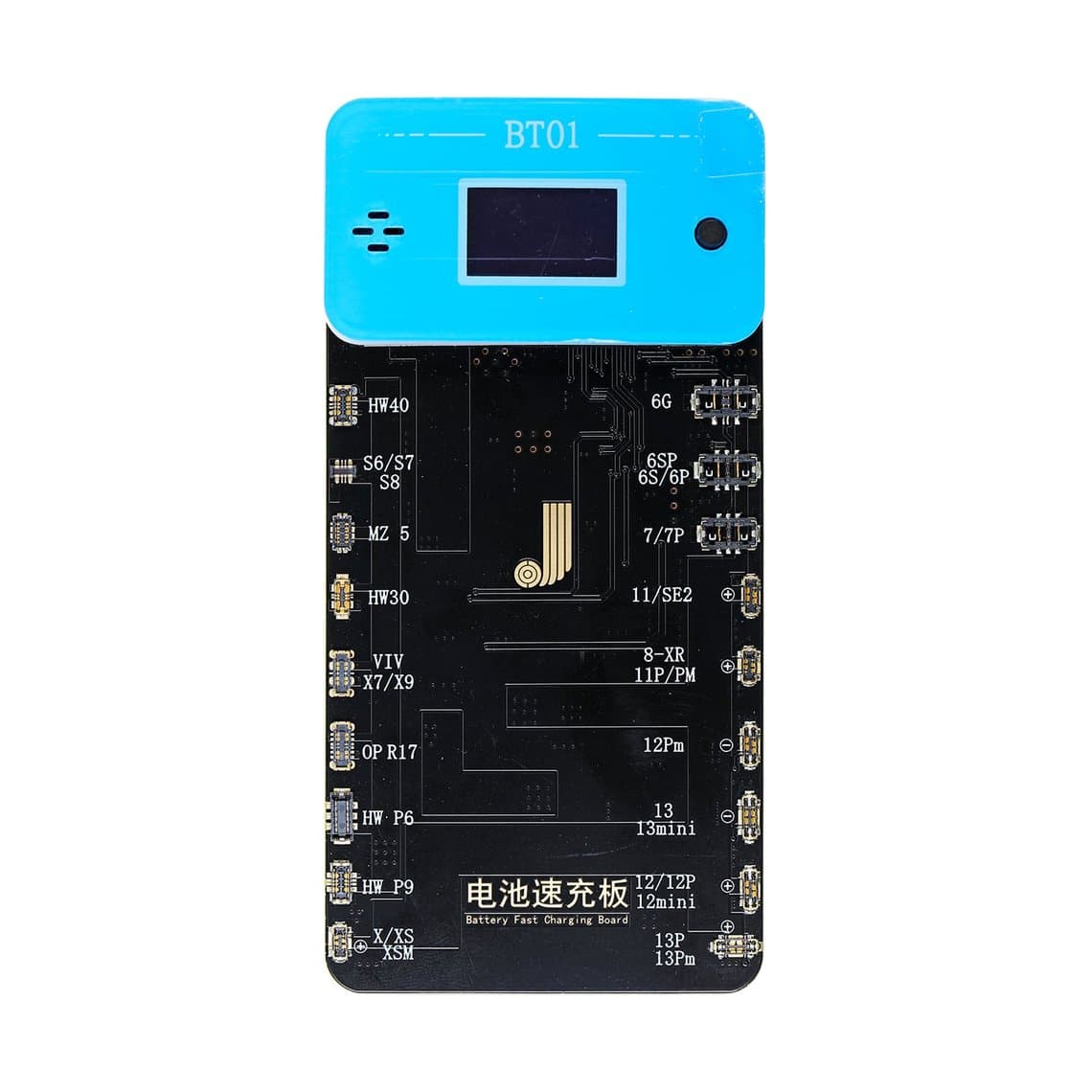
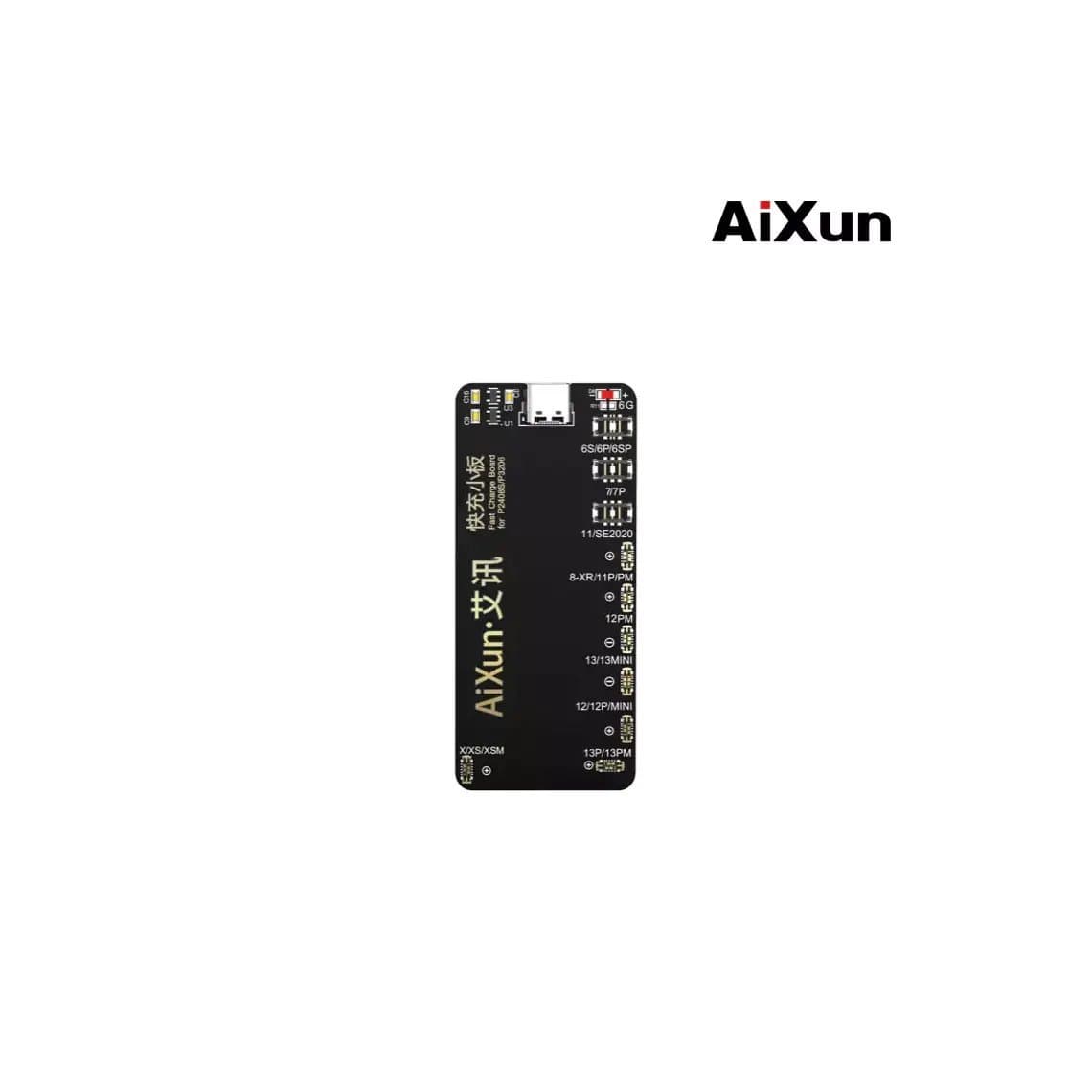
For batteries, a quick test of the old cell and the new one before fitting saves surprises. A charging board like the JCID BT01 or the AiXun P2408S adaptor lets you check and top up a battery on the bench.
When to take a deposit
A deposit protects you when you have to buy or reserve a part for one customer. Consider asking for one when:
- The part is not in stock and you are ordering it in.
- The part is costly or rarely used, so you could be left holding it.
- The job is board work or data recovery with an uncertain outcome; a diagnostic fee works well here.
- The customer is new and the repair is large.
Say clearly whether the deposit is refundable and what happens if the repair cannot be done.
Check your local market
Once your formula gives you a price, compare it with what nearby shops charge for the same repair and grade. Be careful to compare like with like: a quote for an Incell screen and a quote for an original screen are not the same job.
- If you are well above the market, look for the cause. Are your parts too expensive? Is the job taking too long? Are overheads high for your volume?
- If you are well below, you may be leaving money on the table, or your competitors may be charging for things you are not.
- If you are close, compete on what you include: grade choice, warranty, speed and service.
Do this check a few times a year, and whenever a new phone model starts coming through the door.
How to explain the price to customers
People accept a price more easily when they understand it. Keep it short and honest:
- Name the grade. "This is a Soft OLED screen; it has a 12-month warranty from us."
- Show the choice. Present good, better and best side by side, so the customer picks rather than feels pushed.
- Explain the time. Testing, calibration and data transfer are real work, even if the customer does not see them.
- Put the warranty in writing on the ticket or receipt.
- Avoid talking down other shops. Talk about what you do instead.
Keeping your prices healthy
Your parts cost is the biggest single line in most repair prices, so where you buy matters. LightspeedTools supplies repair shops worldwide from Shenzhen, shipping by DHL, FedEx or UPS. Every product is tested before it ships, and screens are sold by clear grade with warranties of 3 to 12 months, so your price tiers and warranty reserves are easy to set. Batteries carry 6 months.
Wholesale prices unlock after $500 in purchases, and Quick Order lets you restock by SKU or CSV in minutes, which keeps your parts cost line up to date.
Questions
How much should I charge for a phone screen repair?
Work it out with the formula: parts cost, plus labour time at your hourly rate, plus a warranty reserve, overhead share and margin. The result will differ by model and screen grade, so build a price for each. Then compare it with local shops quoting the same grade.
Should I charge a diagnostic fee?
A diagnostic fee makes sense for faults that take time to find, such as board issues, no-power phones or water damage. Many shops deduct it from the repair price if the customer goes ahead. Tell the customer the fee before you start.
How do I price repairs on older phones?
Older phones are often worth less, so customers want cheaper options. Offer the "good" tier with an Incell or Hard OLED screen and a shorter warranty to match. Keep your labour and overhead lines the same; it is the part grade that changes the price.
How often should I update my repair prices?
Update the parts cost line every time you restock, and review the full price list a few times a year. Also review when your rent, wages or monthly repair volume change, as these shift the overhead share. A spreadsheet built on the formula makes this quick.
Want parts costs you can build a steady price list on? Apply for wholesale pricing or contact our team to talk through the grades and tools your shop needs.