How to Start a Phone Repair Business: Equipment, Stock, Pricing
17 November 2026 · LightspeedTools team
Short answer: To start a phone repair business, learn the common repairs first on cheap practice phones, register the business and get insurance under your local rules, and begin with a small bench of hand tools and a stock of screens and batteries for the most popular models. Add board-level equipment only once your volume and skills justify it. Keep your stock lean, give a clear warranty, and reinvest early profits.
That is the whole plan in one paragraph. The rest of this guide breaks each step down so you can open with confidence and avoid the mistakes that drain cash in the first year.
1. Build the skills before you open
Customers forgive a slow repair. They do not forgive a phone that comes back worse. So skills come first.
- Start with dead phones. Buy broken handsets locally and take them apart. Learn screw maps, connector locations, adhesive removal and how to reseal a frame.
- Master the big three repairs. Screen replacement, battery replacement and charging port replacement make up most of the work in a typical shop. Get fast and clean at these before anything else.
- Learn the software side. Modern phones pair parts to the logic board. You need to understand True Tone, battery health messages and Face ID warnings so you can explain them to customers.
- Take structured training if you can. Short practical courses, manufacturer guides and long-form video tutorials all help. A month working beside an experienced technician is worth more than any video.
Board-level repair (microsoldering) is a separate skill that takes much longer to learn. You do not need it on day one, but plan to grow into it because it is where shops set themselves apart.
2. Legal basics: registration, insurance and data
The rules vary by country, state and even city, so check with your local business authority or an accountant. In general terms, most new repair businesses need to think about:
- Business registration. Choose a structure (sole trader, partnership or limited company) and register it. This affects tax, liability and how you open a business bank account.
- Tax registration. Depending on turnover, you may need to register for sales tax or VAT and charge it on repairs and parts.
- Insurance. Public liability insurance covers injury on your premises. Professional or product liability covers damage to a customer's device. Cover for your own stock and tools matters too, especially for a mobile service.
- Permits and premises rules. Retail units may need local licences or signage approval. Some areas require second-hand dealer registration if you buy and resell used phones.
- Data protection. You will handle devices full of personal data. Have a written policy on passcodes, data access and wiping, and follow local privacy law.
- Battery disposal. Lithium batteries must be stored and disposed of safely. Find a local recycling route before you open.
3. Shop, mobile service or home workshop?
There is no single right format. Each has trade-offs.
| Format | Strengths | Watch out for |
|---|---|---|
| Retail shop | Walk-in trade, trust, space for accessories and phone sales | Rent, fit-out and fixed costs before your first repair |
| Mobile service | Low overheads, premium for convenience, reaches offices and homes | Limited to repairs you can do on site; travel time; carrying stock |
| Home workshop with mail-in | Lowest cost, flexible hours, good for board-level work | Harder to build trust; local rules on running a business from home; courier handling |
Many successful shops started as a home or mobile service, built a customer base and reviews, then moved into a unit once demand was proven. That path keeps your early risk low.
4. Equipment by stage
Do not buy everything at once. Equip in stages and let your repair mix tell you what to buy next.
Stage one: the starter bench
This covers screens, batteries, ports, cameras and back-glass prep on most phones.
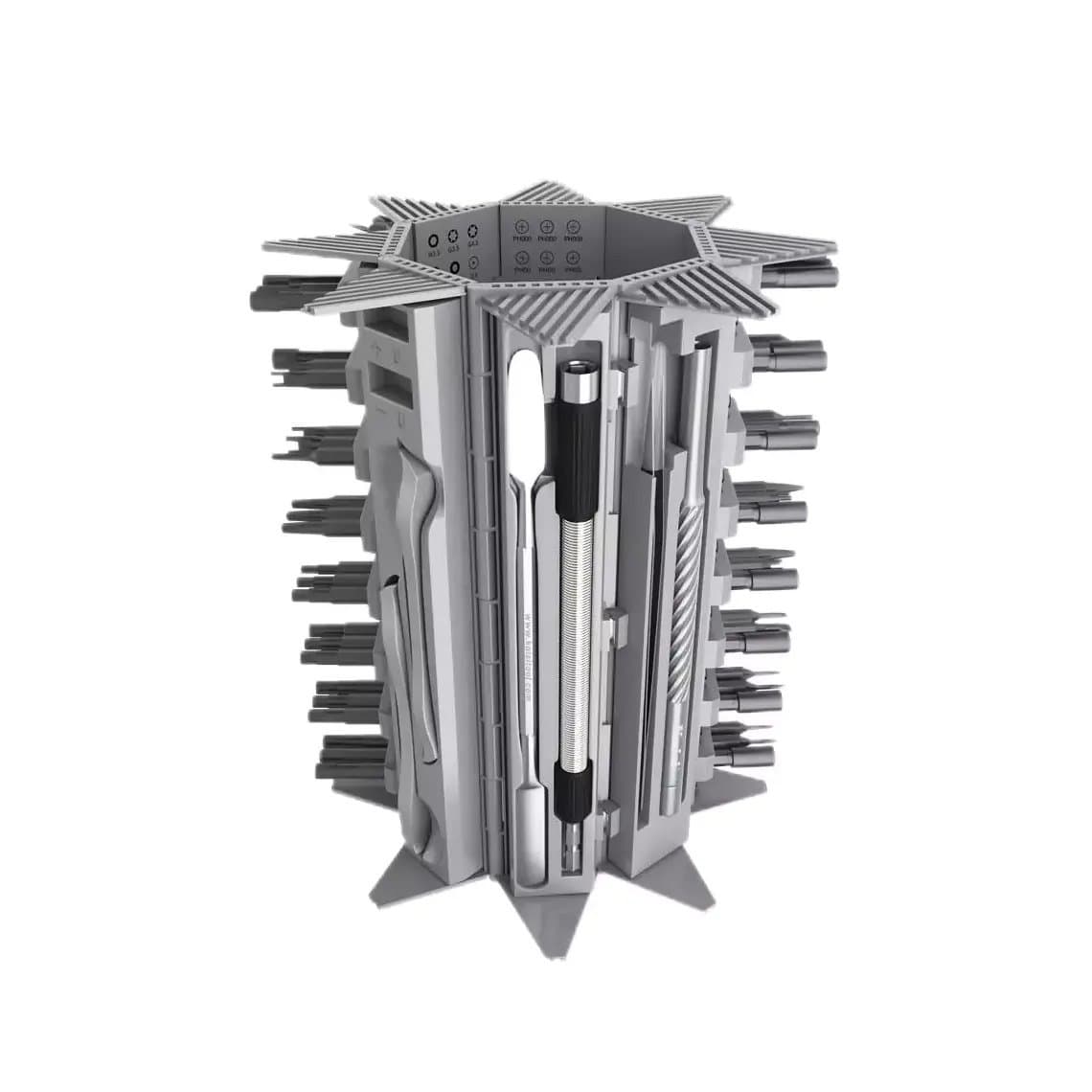
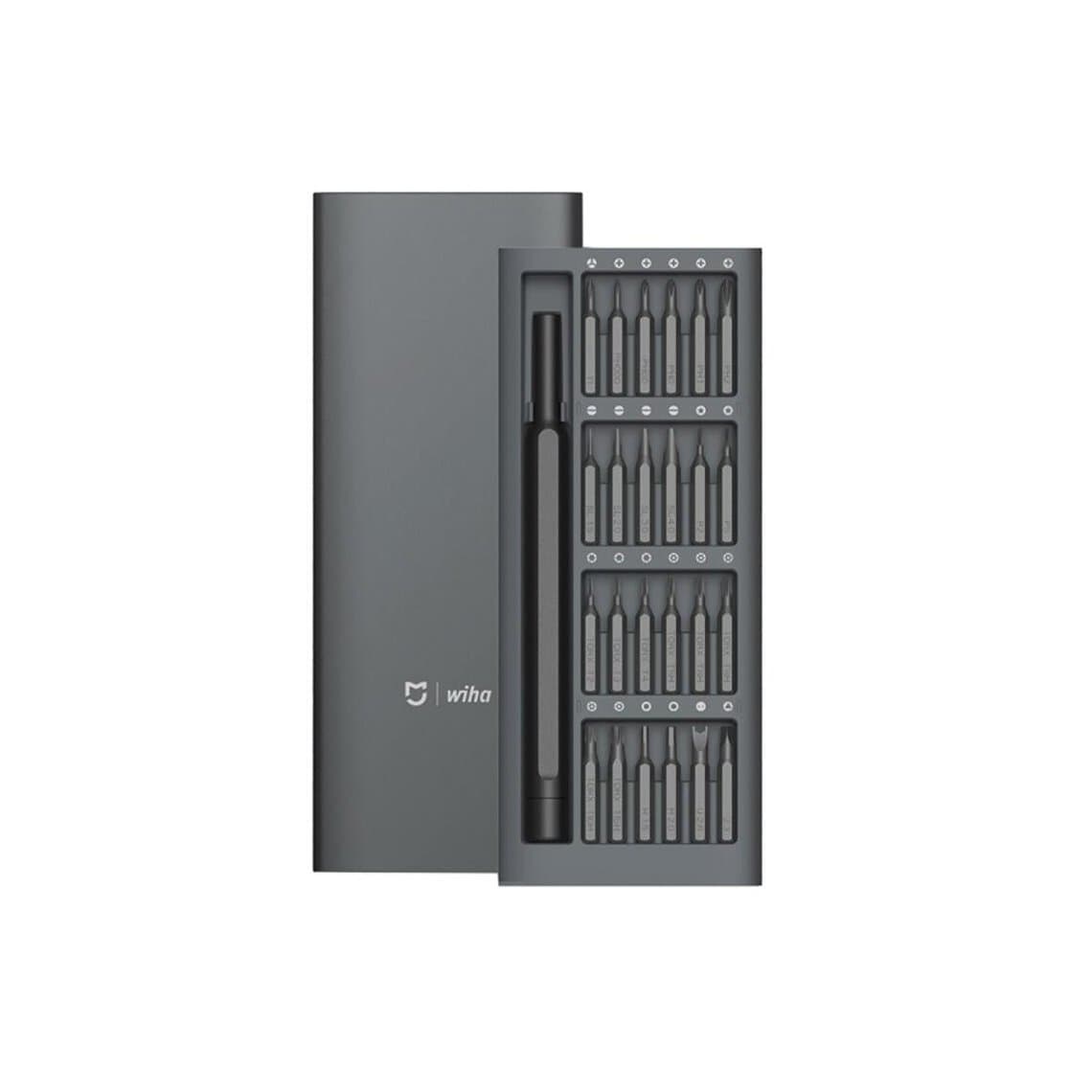
- A good precision screwdriver set. A large bit set such as the Kaisi K-8128 128 in 1 Precision Screwdriver Kit covers almost every brand. Many techs also keep a quick set on the bench, like the Xiaomi Mijia 24 in 1 Precision Magnetic Bits kit, or a compact iPhone-focused set such as the 2UUL SD25 IP Tunekit5.
- Opening tools. Plastic spudgers, picks, suction cups, tweezers and a heat source for adhesive.
- An ESD-safe mat and wrist strap. Cheap insurance against static damage.
- Magnetic screw mat or organiser. Lost screws cause return visits.
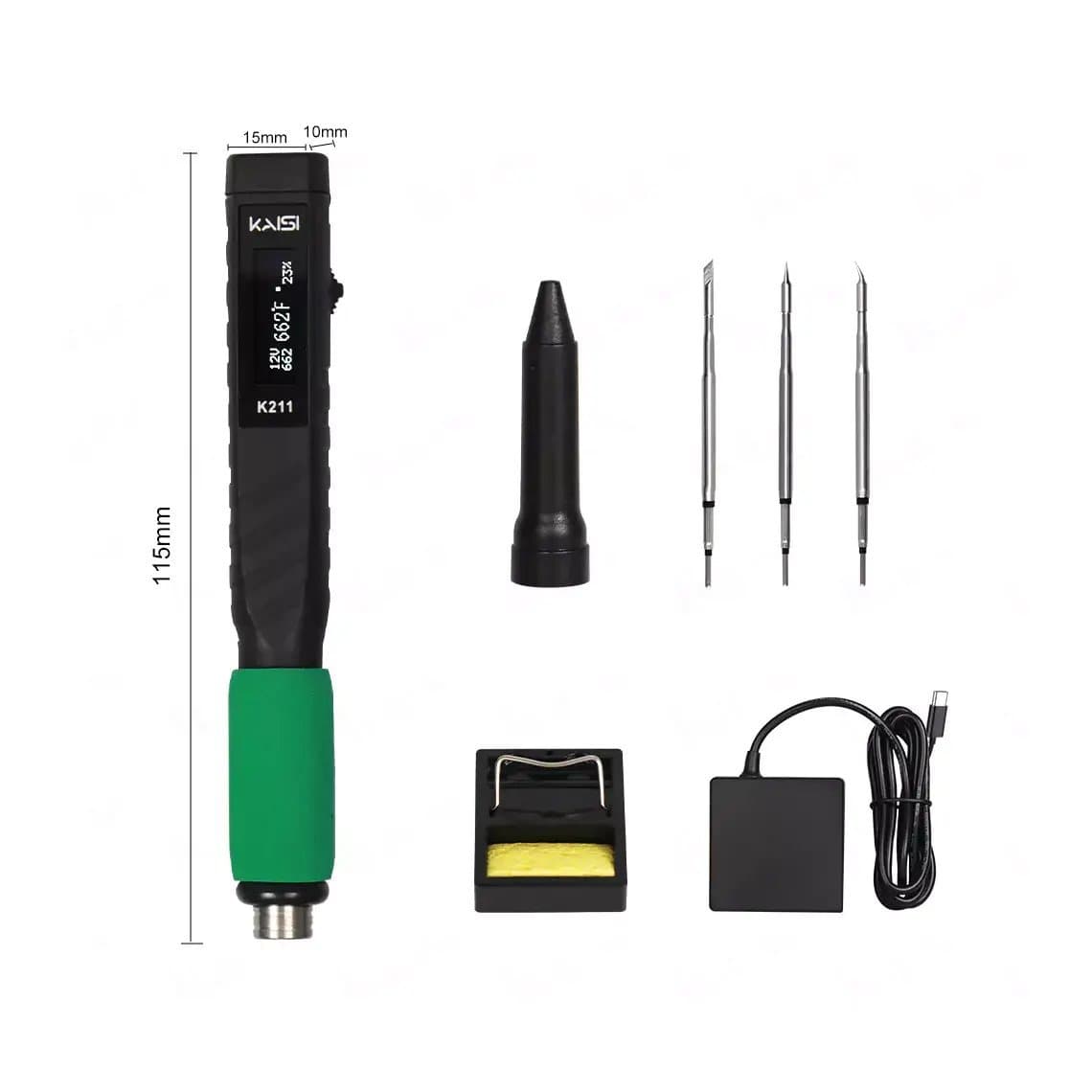
- A basic soldering iron. Handy for flex repairs and small jobs. A portable smart iron like the Kaisi K211 65W soldering iron kit is easy to start with.
- Good lighting and magnification. A bright lamp and a magnifier are enough at first.
If you would rather not pick tool by tool, our starter kits bundle the core bench tools in one order.
Stage two: board-level and advanced repair
Once you are turning away jobs like charging ICs, backlight faults or water damage, it is time to step up.
- A stereo microscope. Essential for microsoldering. Browse repair microscopes and pick one with a good working distance.
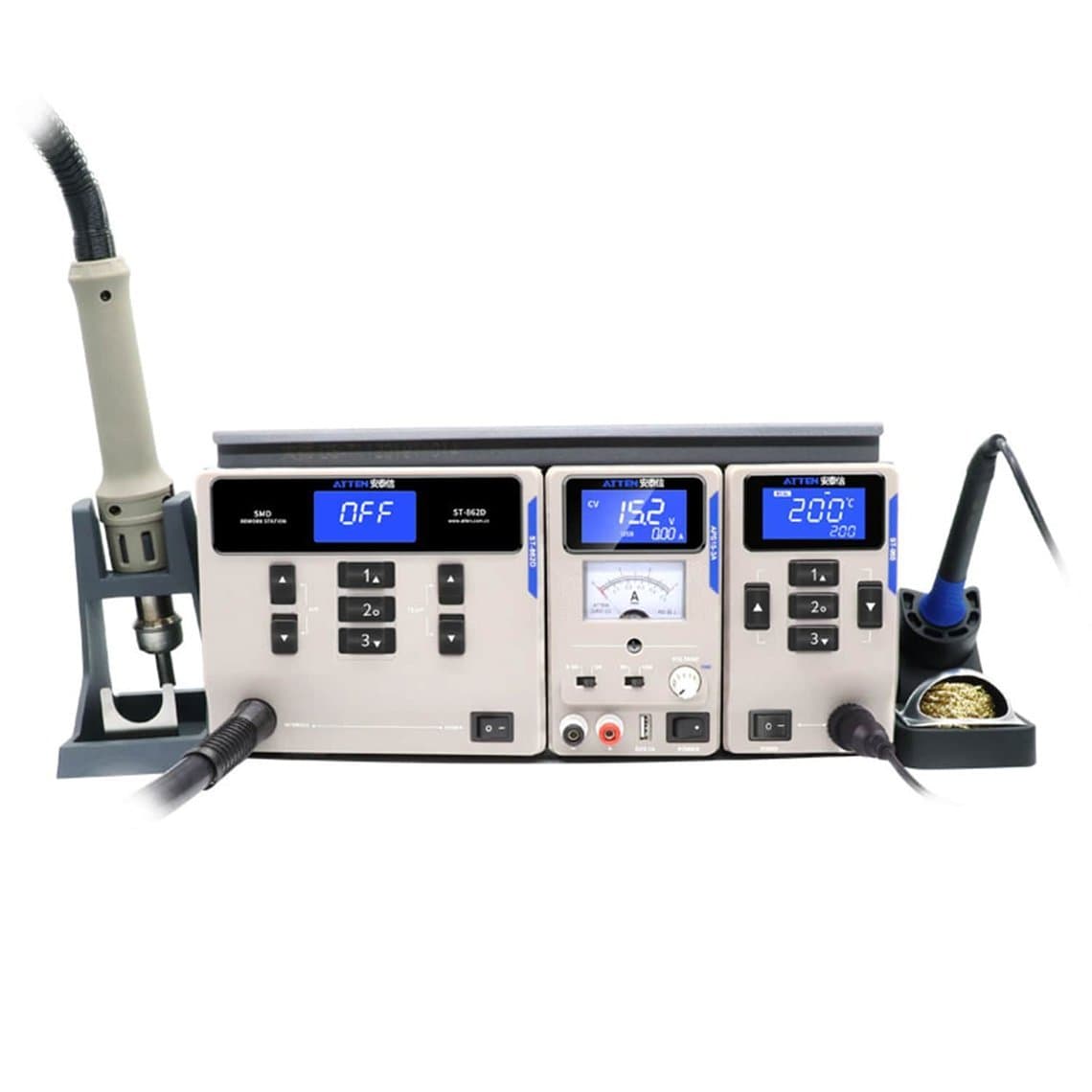
- Hot air and a temperature-controlled station. A combination unit like the ATTEN MS-300 3-in-1 combines hot air, desoldering and a DC power supply, saving bench space.
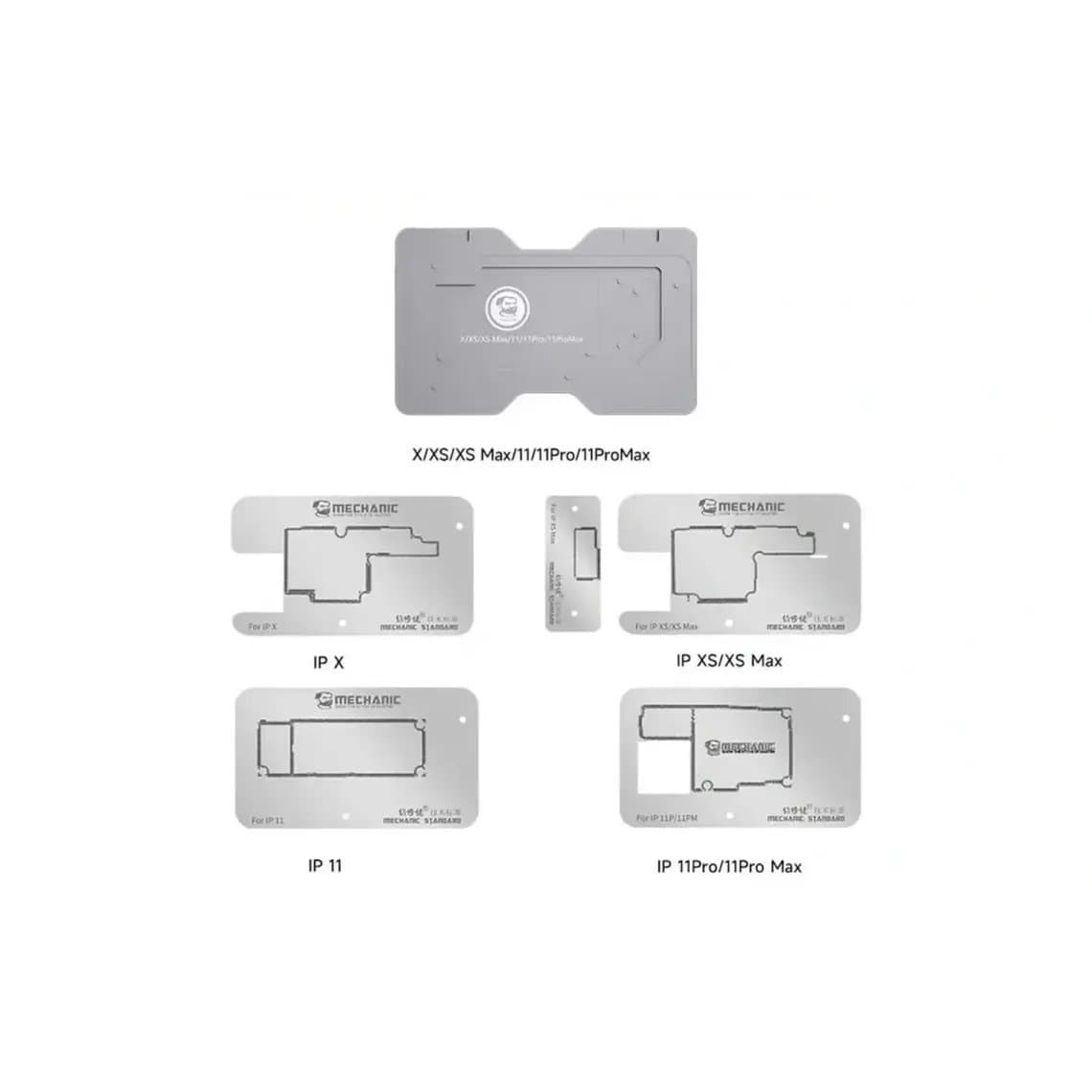
- Preheating for stacked boards. Newer iPhones use sandwiched logic boards. A dedicated heater such as the Mechanic Heat Air kit for iPhone X-16 Pro Max makes separating them safer.
- A DC power supply and multimeter. For diagnosing short circuits and current draw.
- Programmers. Tools to transfer True Tone and battery data so replacement parts behave like the originals.
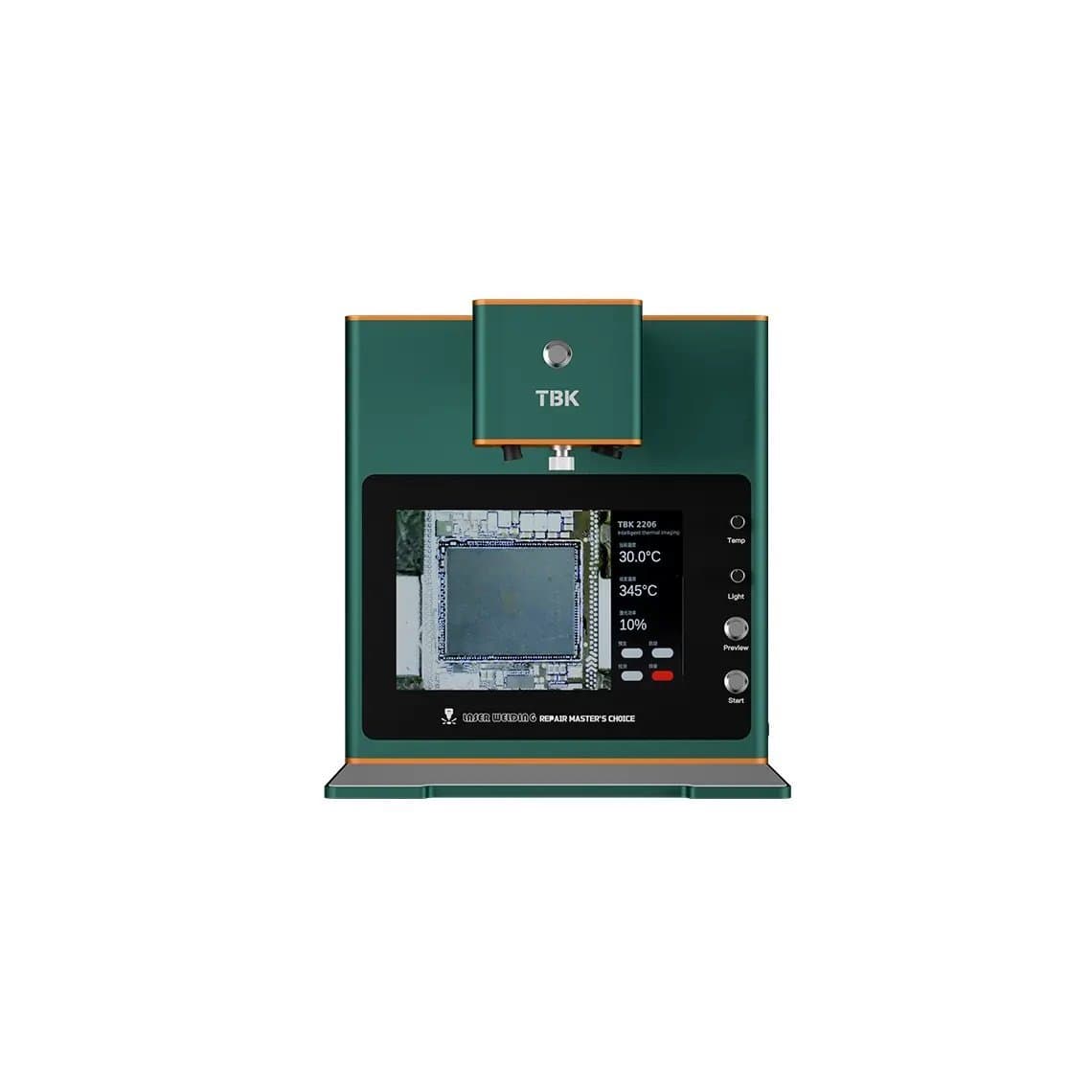
Higher-end shops may later add laser equipment, for example the TBK 2206 laser desoldering machine for back-glass and frame work. Treat that as a growth purchase, not a starting one.
5. Your first parts stock
Stock is where new shops lose the most money. Too little and you lose jobs. Too much and cash sits on a shelf while models go out of date.
- Start with the best sellers. Look at which phones are most common in your area, usually the last four to five generations of iPhone and the popular Samsung Galaxy A and S models.
- Screens first. iPhone screens are the most requested repair in most shops. Keep one or two of each popular model.
- Batteries second. iPhone batteries are quick jobs with steady demand.
- Charging ports, back glass and cameras third. Order these as demand shows up rather than stocking every model.
- Offer more than one grade. Customers have different budgets. Learn the differences between original, OLED and LCD grades on our quality grades page so you can explain them honestly.
Keep a simple spreadsheet of every repair you quote and every part you order. After a few months it will tell you exactly what to stock.
6. Pricing basics
We will not give you price figures, because labour rates, rent and part costs vary hugely by market. Instead, build each price from the same pieces:
- Part cost, including shipping and any import duty.
- Labour time, valued at what your hour is worth.
- Overheads: rent, insurance, tools, software, card fees.
- Warranty risk: a small allowance for parts that fail and repairs you redo.
- Local market: check what others charge nearby, then decide whether you compete on price, speed or quality.
Show grade options side by side, for example a budget screen and a premium screen, with the warranty for each. Customers often choose the better option when they can see the difference clearly.
7. Set a clear warranty policy
A written warranty builds trust and protects you. Put it on your receipt and your website.
- State the warranty period for each part type and grade.
- Exclude physical damage, liquid damage and third-party tampering.
- Explain what happens if the part fails: repair, replacement or refund.
- Keep your customer warranty within what your supplier gives you, so you are never covering a part that your supplier no longer covers.
8. Finding your first customers
- Set up a business profile on Google. Most repair customers search "phone repair near me". Add photos, opening hours and services, and ask every happy customer for a review.
- Build a simple website with your services, prices or price ranges, and a booking form.
- Partner locally. Offices, schools, care homes and small businesses often need a reliable repair contact.
- Sell accessories. Cases, screen protectors and chargers add income on every visit.
- Offer trade-ins and refurbished phones once you have the skills and the local permissions.
9. Cash-flow tips for the first year
- Buy parts close to demand. Fast shipping lets you keep less stock on hand.
- Take deposits for parts you order specially.
- Avoid big equipment loans early. Grow your bench out of profit.
- Separate business and personal money from day one.
- Review your numbers monthly: repairs done, average ticket, parts spend and return rate.
- Choose one main supplier so you build volume, unlock better pricing and have one place to sort warranty claims.
How LightspeedTools can help
We are a wholesale supplier in Shenzhen serving repair shops worldwide. Our screens come in clear grades with written warranties: Original New and Original Refurb 12 months, Original Pull 6 months, Premium Soft OLED 12 months, Hard OLED 6 months and Incell 3 months. Batteries carry 6 months. Products are tested before shipping, and we ship by DHL, FedEx or UPS.
Wholesale prices unlock once your purchases reach $500, which suits a new shop building its first stock. When you are busy, you can reorder by SKU or upload a CSV through Quick Order. Read more on our wholesale page.
Questions
Do I need a certification to open a phone repair shop?
In most countries there is no legal requirement for a specific repair certificate. Business registration, tax and insurance are usually what the law asks for. Training and certificates still help you work faster and build customer trust, so they are worth getting.
Can I start a phone repair business from home?
Yes, many shops start this way with a mail-in or collection service. Check your local rules on running a business from home, and make sure your insurance covers customer devices at your address. A home start keeps costs low while you build reviews.
What repairs make the most money for a new shop?
Screen and battery replacements usually bring in the most steady work because they are common and quick once you are trained. Charging ports and back glass follow. Board-level repairs can pay well too, but they need more skill and equipment.
How much stock should I carry when I start?
Keep it lean: a couple of screens and batteries for the most common models in your area, and order everything else on demand. Track every quote and order, then adjust. Reliable fast shipping from your supplier lets you carry less.
Ready to stock your bench? Open a wholesale account to start building toward wholesale pricing, or message us and we will help you plan a first order that fits your shop.