Phone Repair Tools List: The Complete Bench Setup Guide
17 November 2026 · LightspeedTools team
Short answer: A complete phone repair tools list covers five bench areas: opening (screwdrivers, spudgers, pry tools, suction cups), handling (ESD tweezers and a mat), inspection (a stereo microscope with good lighting), soldering and rework (a soldering station, a hot air station, flux and wick) and testing (a multimeter and a DC power supply). A starter shop can do screens, batteries and charge ports with the first three areas. Board-level work needs all five, plus fume extraction and ESD protection.
This guide lays out the bench by area, then by budget level. It covers what each tool does, what to look for when you buy it, and the mistakes that cost technicians time and parts.
How to think about a phone repair bench
Lay the bench out in the order a repair actually flows: open the phone, handle the parts, look closely, fix, then test. Each area has a small set of tools you use every day and a few you reach for on harder jobs. Buy the daily tools at good quality first. Cheap screwdrivers and soft tweezers cost more in stripped screws and lost connectors than they save.
If you are setting up from scratch, a curated kit from our phone repair starter kits range gets the opening and handling basics in one order. Then add inspection, soldering and test gear as your work moves from part swaps to board repair.
1. Opening and disassembly tools
This is where every job starts, and where most cosmetic damage happens. You need tools that open seams without scratching frames or cracking glass.
- Precision screwdrivers. Phones use pentalobe, tri-point, Phillips and Torx screws in very small sizes. A set with hardened bits and a comfortable, spinning cap handle is essential.
- Plastic spudgers. For battery connectors, flex cables and shields. Plastic will not short a live connector. A three-piece plastic spudger set covers flat, pointed and hooked tips, and a single plastic opening pry tool is worth keeping at every station as a spare.
- Metal pry tools. Thin steel blades get into tight adhesive seams that plastic cannot. Use them on frames and back glass, never near live connectors. A metal opening pry set handles most screen and back-cover separations.
- Opening picks, suction cups and a heat source. Picks hold a seam open while you work around it. Gentle heat from a heat pad or hot air softens adhesive first.
2. Handling and ESD protection
Phone boards and flex connectors are sensitive to static discharge. Damage is often invisible until the phone fails a day later.
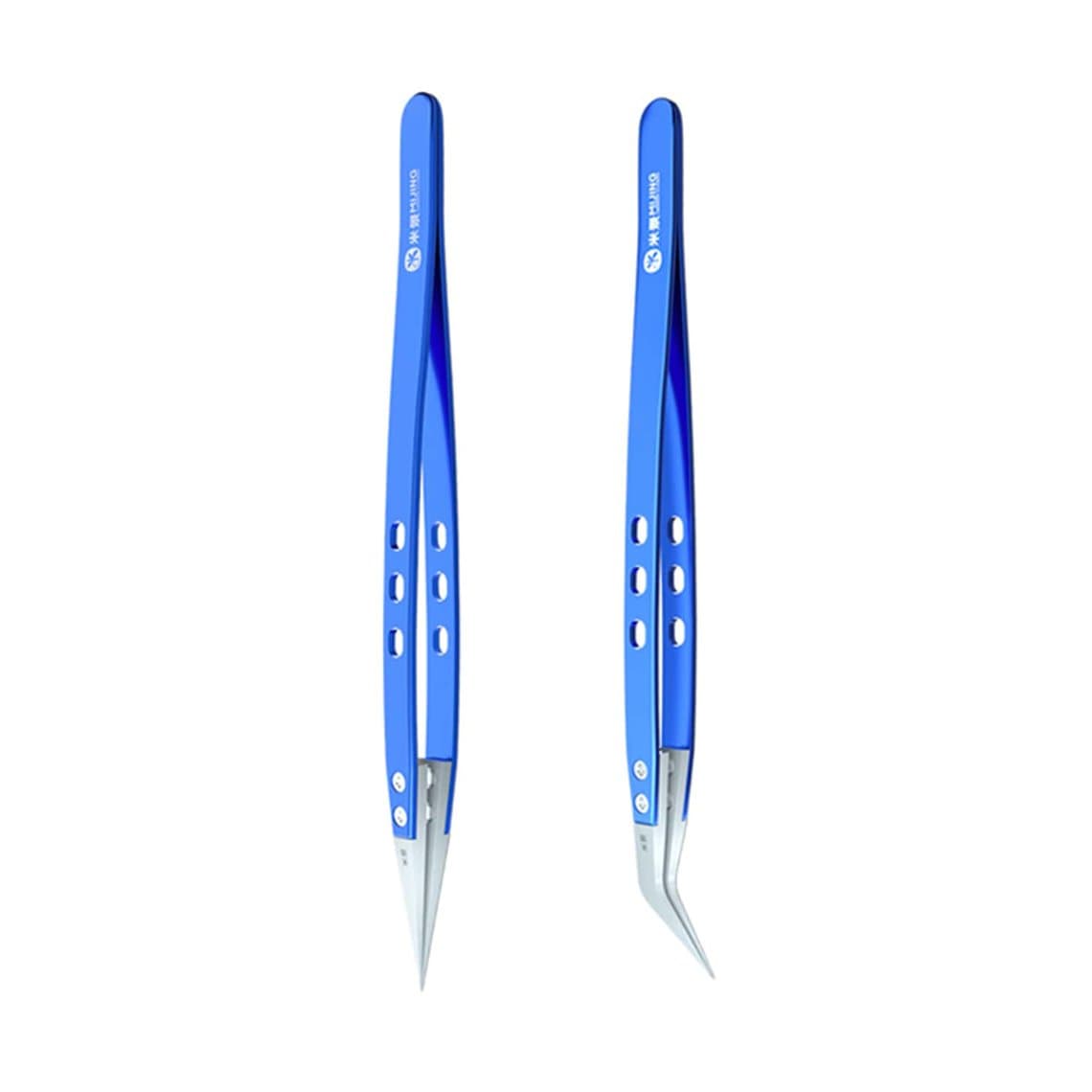
- ESD tweezers. You want at least one straight fine tip and one curved tip. Ceramic tips do not conduct electricity and resist heat, which makes them safe around live boards and near the iron. Ceramic anti-static fine tweezers are a good daily pair.
- ESD mat and wrist strap. The mat must be grounded through its cord, not just laid on the bench. Check the strap regularly. Find mats, straps and grounding gear under ESD protection.
- Magnetic screw mat or parts tray. Keeping screws in the order they came out prevents long-screw damage when you reassemble.
3. Inspection: microscope and lighting
You cannot repair what you cannot see. For anything beyond a screen or battery swap, a microscope moves from nice-to-have to essential.
- Stereo microscope. A trinocular stereo microscope with a stable boom or post stand gives true depth perception for soldering. Look for a smooth zoom range, enough working distance to fit an iron under the lens, and a solid base. Compare options in our microscopes category.
- Digital and video microscopes. These show the image on a screen, which is easier for training and for showing customers damage. Some combine inspection with measurement. The AiXun DM21 digital microscope with built-in multimeter and the Mechanic Action 2 video microscope with multimeter both put readings and image on one display.
- Lighting. A ring light is standard, but direct spotlights reveal cracked joints and corrosion better. A snap-on microscope spotlight or a dust-proof microscope LED light adds angled light where you need it.
- Tool storage at the scope. A microscope tool storage sleeve keeps tweezers and probes within reach so you do not look away from the eyepieces.
4. Soldering and rework
This is the area where tool quality matters most, because poor heat control damages boards.
Soldering station
A good station heats quickly, holds temperature under load and takes fine tips. For phone boards, cartridge-style stations (where the heater and tip are one unit) are the mainstream choice because they recover heat fast at lower set temperatures.
- Entry level: a classic analog station such as the BEST-936B anti-static soldering station handles connectors, wires and general work.
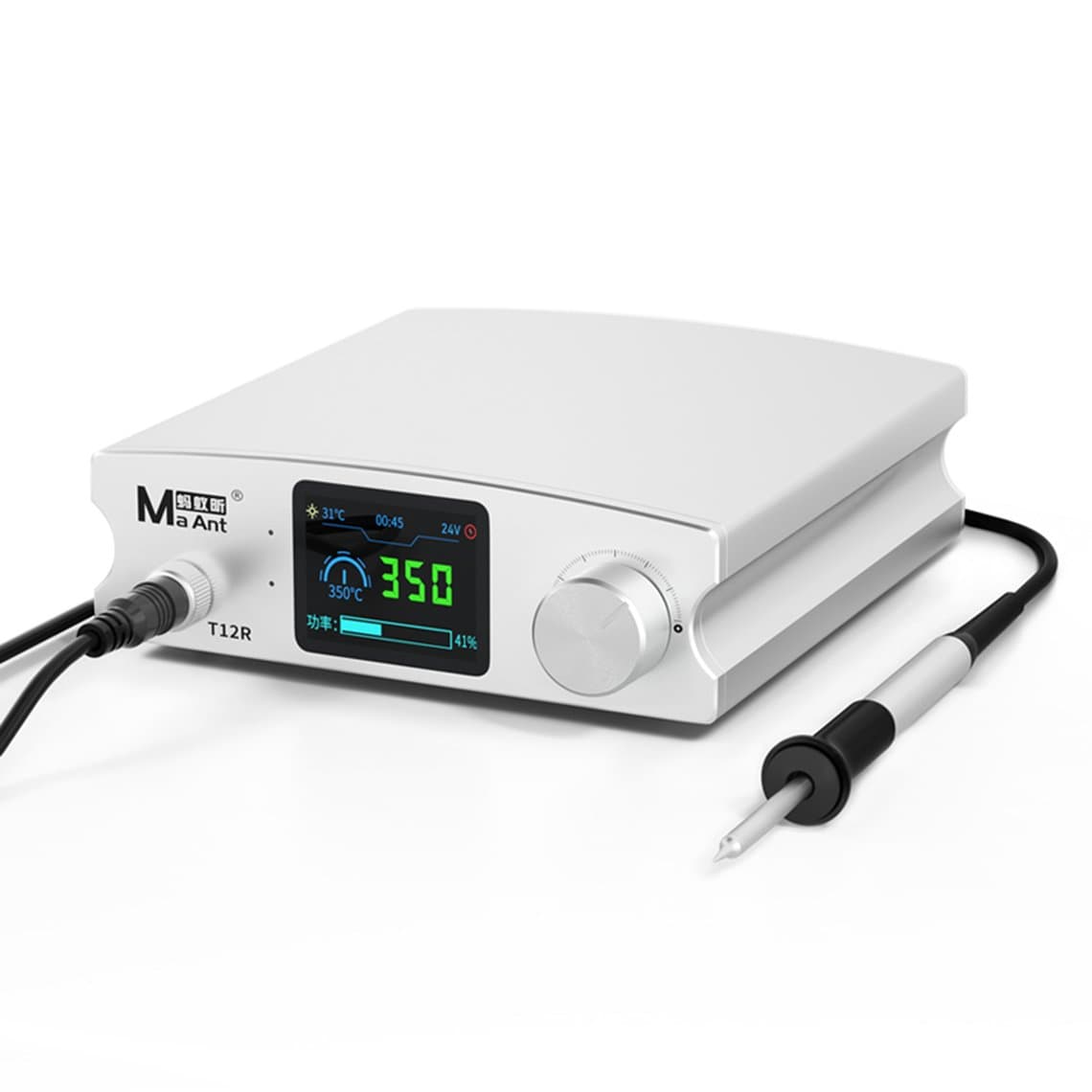
- Mid range: a T12-style station like the Maant T12R 75W smart station heats quickly and takes a wide range of tips.
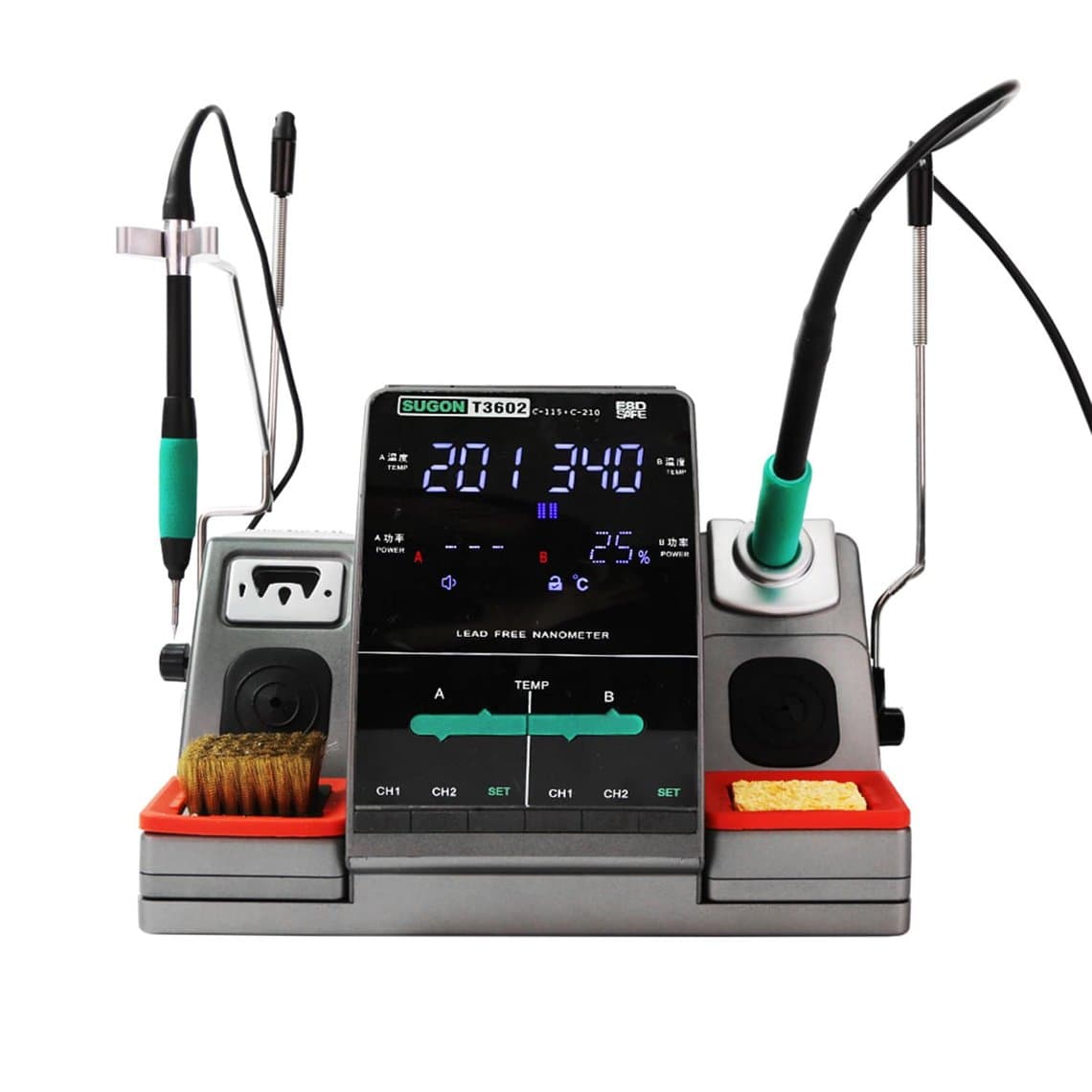
- Pro board work: C210/C115 cartridge stations. The Sugon T3602 double station runs two handles, and the JBC NASE-2C nano station is built for the smallest components.
Browse all soldering stations, and keep spare tips such as Jabe UD-1200 soldering tips if you run that station.
Hot air and rework
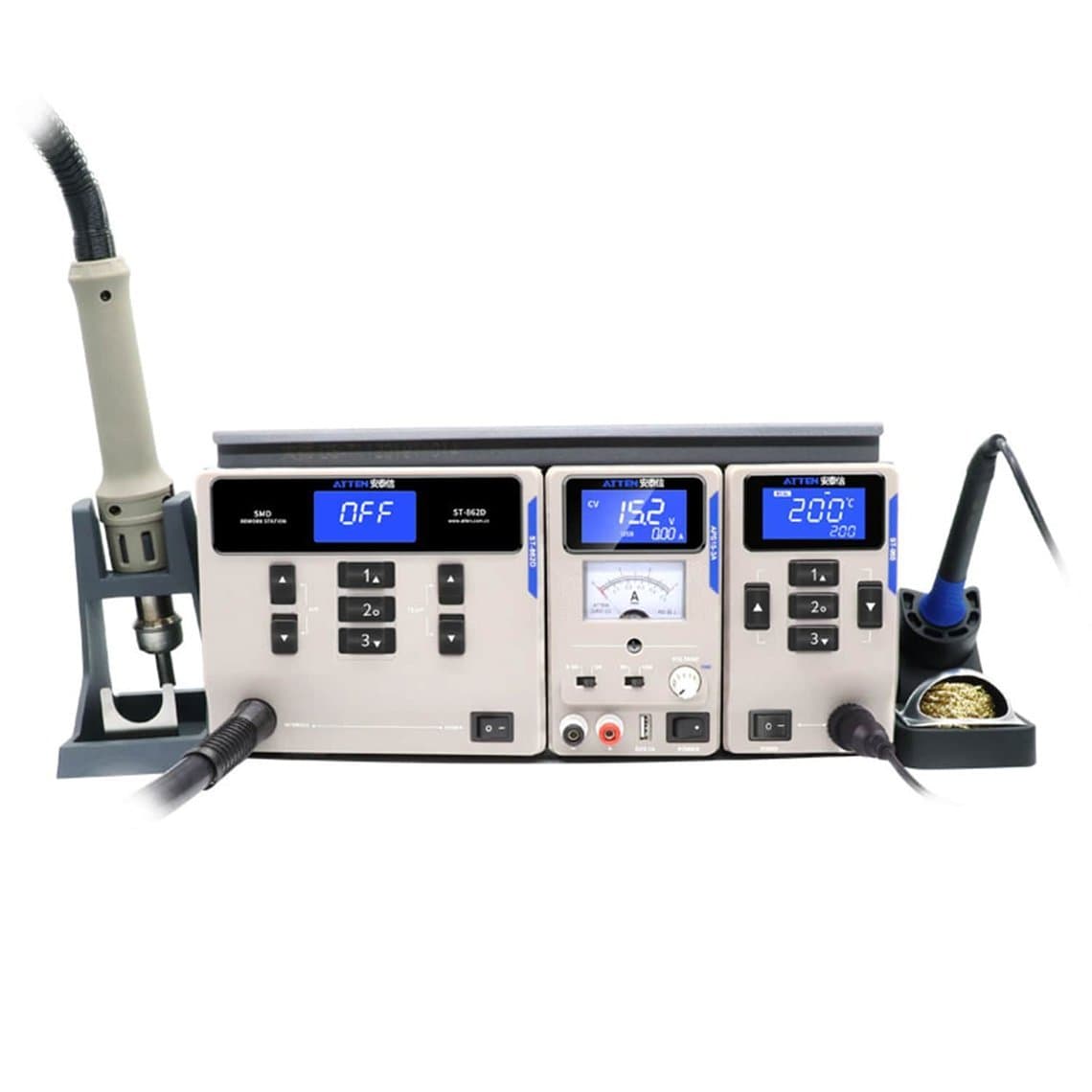
Hot air removes and replaces ICs, shields and connectors. Look for stable airflow at low settings, a range of nozzles and fast temperature recovery. If bench space is tight, an all-in-one unit such as the ATTEN MS-300 3-in-1 hot air, desoldering and DC power system combines three tools in one footprint.
For advanced shops doing back-glass removal and board-layer work, a TBK 2206 laser desoldering machine with HD microscope is a specialist option worth considering once volume justifies it.
Consumables
- Flux: a no-clean paste flux is the everyday choice.
- Solder wire and paste: fine-diameter wire for joints, low-temperature paste for reballing and IC work.
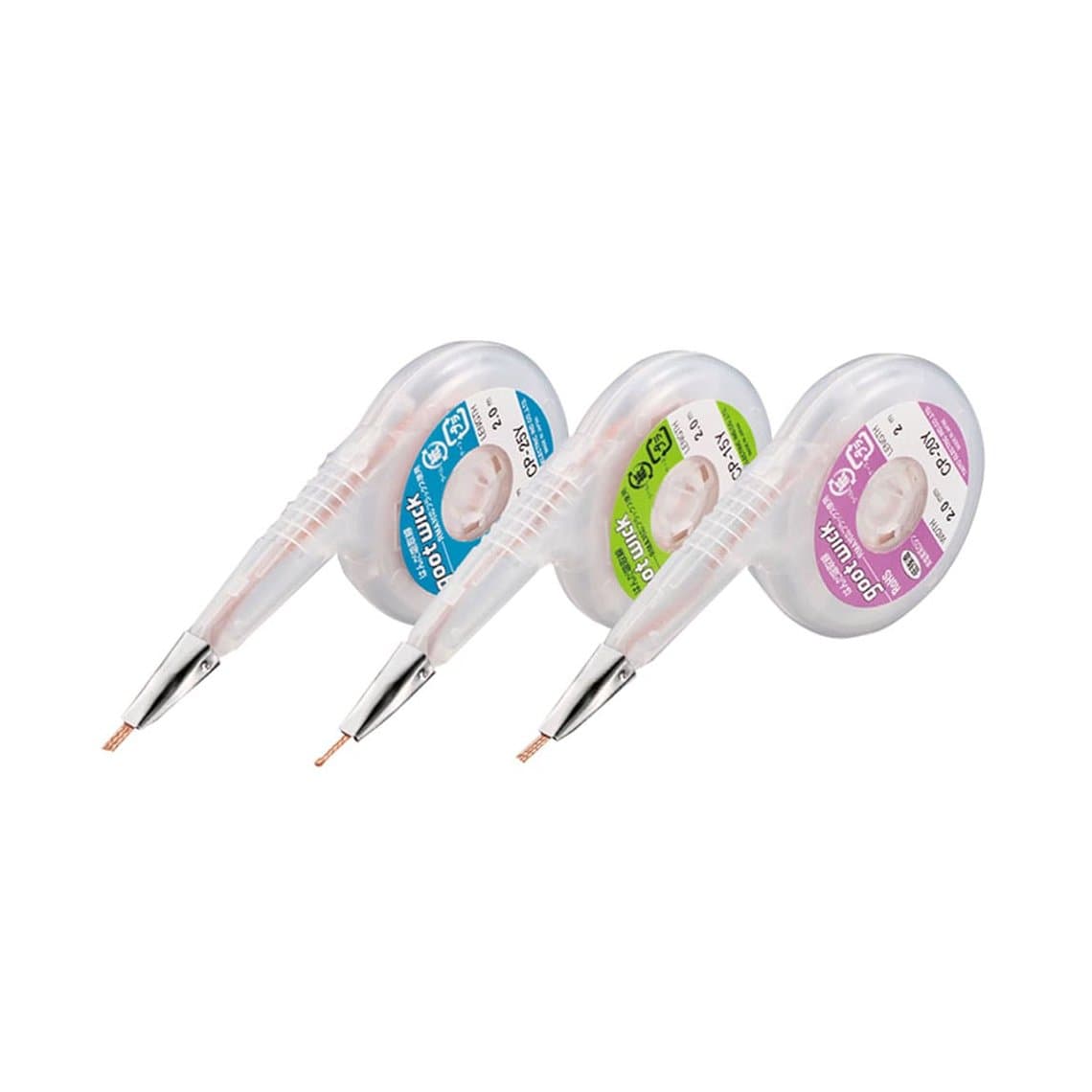
- Desoldering wick: for cleaning pads. A lead-free desoldering wick with dispenser keeps the braid clean between uses.
- Isopropyl alcohol and brushes for cleaning flux residue.
5. Testing and diagnostics
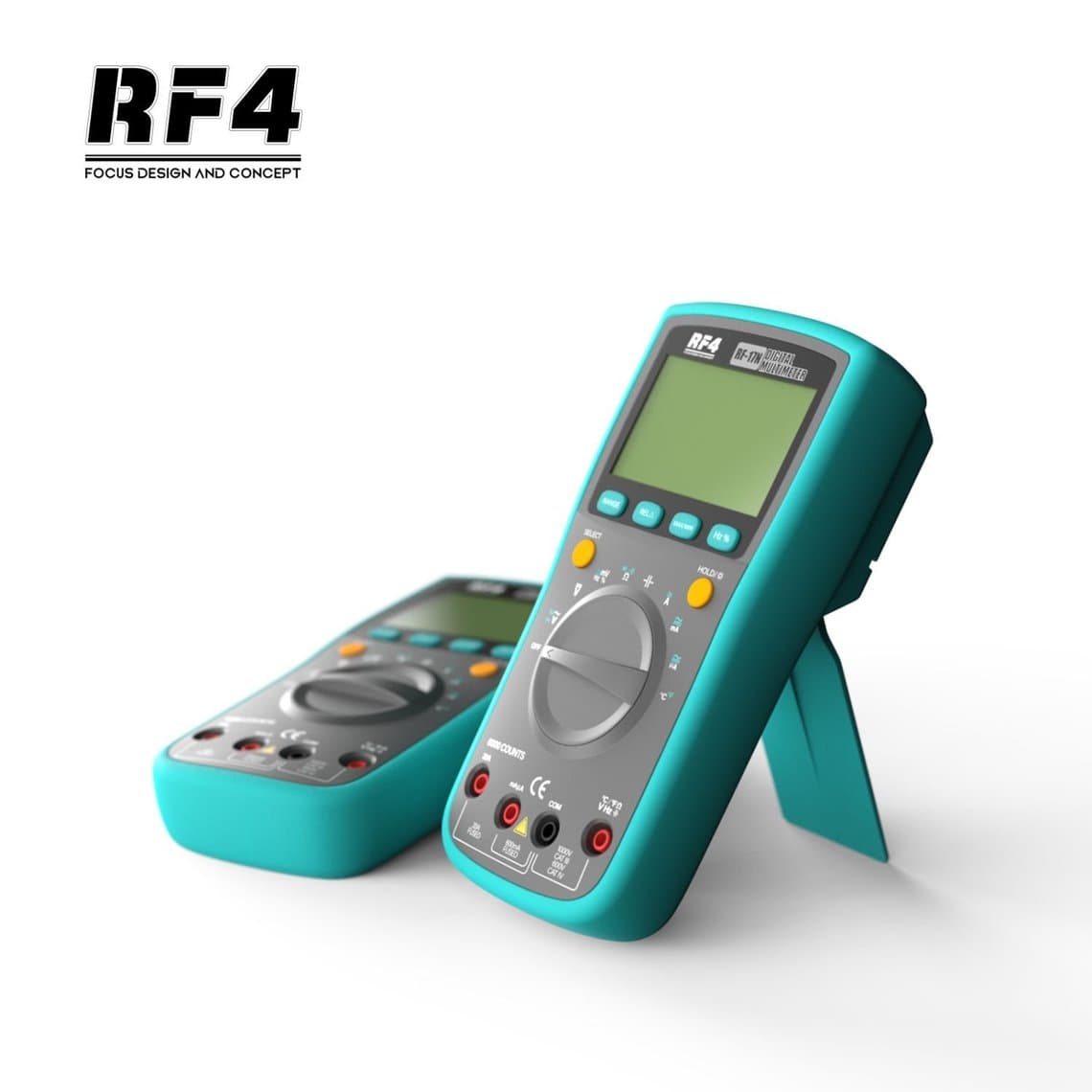
- Digital multimeter. For continuity, diode mode and voltage checks. A true-RMS meter with a fast continuity beep is the standard. The RF4 RF-17N 6000-count true-RMS multimeter fits a phone bench well. More in multimeters.
- DC power supply. Powering a board without a battery and watching current draw is the fastest way to find shorts and boot faults.
- Thermal camera. Finds a shorted capacitor in seconds by showing which part heats up.
- Programmers. For battery health, True Tone and Face ID data transfer on replacement parts.
Starter vs pro: what to buy first
| Bench area | Starter shop (screens, batteries, ports) | Pro shop (board-level repair) |
|---|---|---|
| Opening | Screwdriver set, plastic spudgers, metal pry tools, picks, suction cup | Same, plus a heated separator or screen-refurbishing equipment |
| Handling | ESD tweezers, grounded mat, wrist strap | Ceramic and fine-tip tweezer sets for each technician |
| Inspection | Magnifier lamp or entry digital microscope | Trinocular stereo microscope with spotlights |
| Soldering | Analog or T12 station, flux, wick | C210/C115 cartridge station, hot air station, solder paste, stencils |
| Testing | Multimeter | Multimeter, DC power supply, thermal camera, programmer |
| Safety | Ventilation, ESD basics | Fume extractor at every soldering station |
What to look for in each tool
| Tool | Look for | Avoid |
|---|---|---|
| Screwdrivers | Hardened steel bits, correct pentalobe and tri-point sizes, spinning cap | Soft bits that round off after a few jobs |
| Tweezers | ESD-safe, tips that meet cleanly, ceramic tips for live work | Plain steel tweezers on powered boards |
| Microscope | Stereo optics, working distance for an iron, stable stand | Wobbly stands and USB cameras with heavy lag |
| Soldering station | Fast heat-up, stable temperature, fine tips available | Stations with no replacement tips on the market |
| Hot air | Low, steady airflow; several nozzle sizes | Units that blow small parts away at minimum air |
| Multimeter | Fast continuity, diode mode, solid leads | Slow beepers and thin, cracked leads |
What technicians get wrong
- Buying cheap screwdrivers. A stripped pentalobe screw can turn a 20-minute job into an hour.
- Using metal tools near batteries. Always disconnect the battery first, and use plastic near connectors.
- Running the iron too hot. High temperature does not replace good tip contact and flux. It lifts pads and burns boards.
- Skipping the microscope. Many "dead after repair" returns come from bridged pins or a torn flex that only shows under magnification.
- An ungrounded ESD mat. A mat with no ground connection does very little.
- No spare tips. A worn tip stops a whole station. Keep spares for every station you run.
Safety notes: ESD, fumes and heat
- ESD: ground the mat and the technician, and store boards and parts in anti-static bags.
- Fumes: flux smoke irritates eyes and lungs. Use a fume extractor close to the work, not a fan that just moves smoke around the room.
- Heat: keep hot air away from batteries, and never heat a swollen battery. Return the iron to its stand every time, and switch stations off or to sleep at the end of the day.
- Eyes: wear safety glasses when separating glass or cutting adhesive.
Questions
What tools do I need to start a phone repair business?
Start with a precision screwdriver set, plastic and metal pry tools, opening picks, ESD tweezers and a grounded mat. Add a multimeter and a basic soldering station for charge ports and connectors. That covers screens, batteries and most part swaps. Add a microscope, hot air and a DC power supply when you move to board repair.
Do I need a microscope for phone repair?
For screen and battery swaps, no. For any soldering on a phone board, yes. Components are too small to inspect reliably by eye, and a stereo microscope lets you see joints, bridges and damage with depth.
What soldering station is good for phone repair?
Cartridge-style stations that use C210 or C115 tips are the mainstream choice for phone boards because they heat and recover quickly at lower temperatures. T12 stations are a good mid-range option. A classic 936-type station suits wires, connectors and general work.
Are plastic or metal pry tools better?
You need both. Plastic spudgers are safe around connectors and live circuits. Thin metal pry tools open tight adhesive seams on frames and back glass. Use metal only where there is no risk of shorting or tearing a flex cable.
Ready to build or upgrade your bench? Browse the full phone repair tools range or start with a starter kit. Repair shops can open a wholesale account, where wholesale prices unlock after $500 of purchases, and reorder fast with quick order by SKU or CSV upload.