Wholesale Phone Parts Suppliers: How to Choose the Right One
17 November 2026 · LightspeedTools team
Short answer: The best wholesale phone parts suppliers label their quality grades clearly, put warranty terms in writing, test parts before shipping and keep deep stock of the popular models. Check their shipping options, wholesale pricing rules and returns process, then place a small sample order before you commit. A supplier who answers questions quickly and honestly is worth more than the lowest price.
Your supplier decides how many comebacks you get, how fast you can turn repairs around and how much cash sits tied up in stock. This guide walks through what to check, the red flags to avoid, and a checklist you can use when comparing suppliers.
Why your supplier choice matters so much
A repair shop's reputation is built on parts it did not make. If a screen fails after two weeks, the customer blames you, not the factory. Every faulty part costs you the part, your labour twice, and sometimes a review.
A good supplier reduces that risk. A poor one turns your shop into an unpaid warranty department.
1. Clear, honest quality grades
Replacement screens come in several quality levels, and the names are not standard across the industry. One supplier's "original" may be another's "refurbished". That makes clear grading the first thing to check.
- Is every grade explained? Look for plain descriptions of what each grade is: new original, refurbished original, pulled from a used phone, soft OLED, hard OLED or LCD (incell).
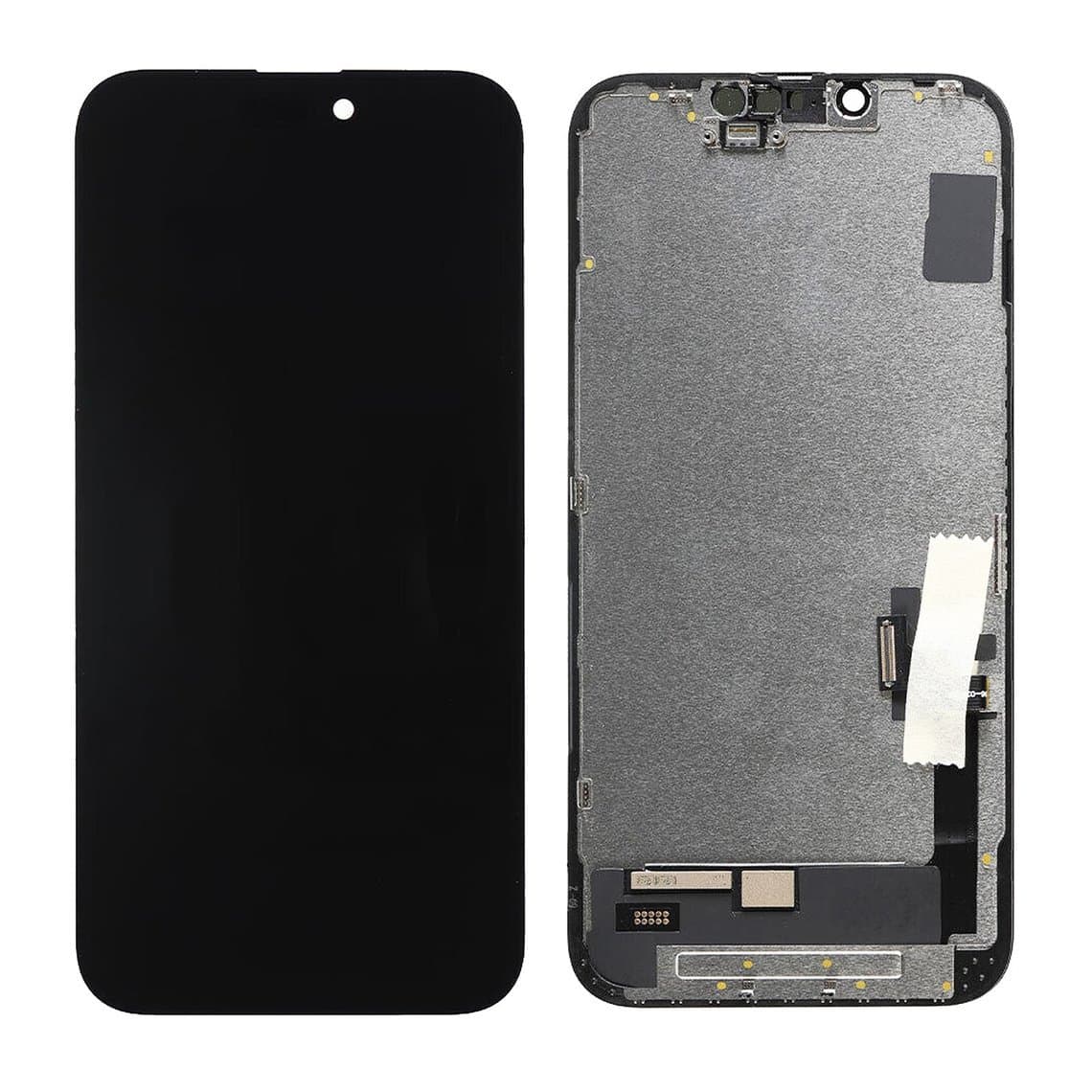
- Does the product page say which grade you are buying? If a listing for, say, an iPhone 13 Pro OLED screen does not tell you the grade, ask before you order.
- Are the trade-offs stated? Honest suppliers tell you where a cheaper grade falls short, such as brightness, colour, thickness or power use.
A useful test: ask the supplier to explain the difference between their two cheapest screen grades. A clear, specific answer is a good sign. Our own quality grades guide shows the level of detail you should expect.
2. Written warranty terms
"We have warranty" is not a warranty. You need the terms in writing.
- How long is the warranty for each grade and part type?
- What does it cover? Dead pixels, touch failure, lines, battery swelling?
- What voids it? Installation damage, removed protective film, physical damage?
- Do they replace, refund or credit your account?
- Who pays return shipping?
Your customer warranty should never be longer than your supplier's. Match them so you are never paying for a failure your supplier will not cover. See how we set ours out on the warranty page.
3. Testing before shipping
Ask how parts are checked before they leave the warehouse. A supplier who tests screens for display, touch and obvious defects catches problems before you waste labour on them.
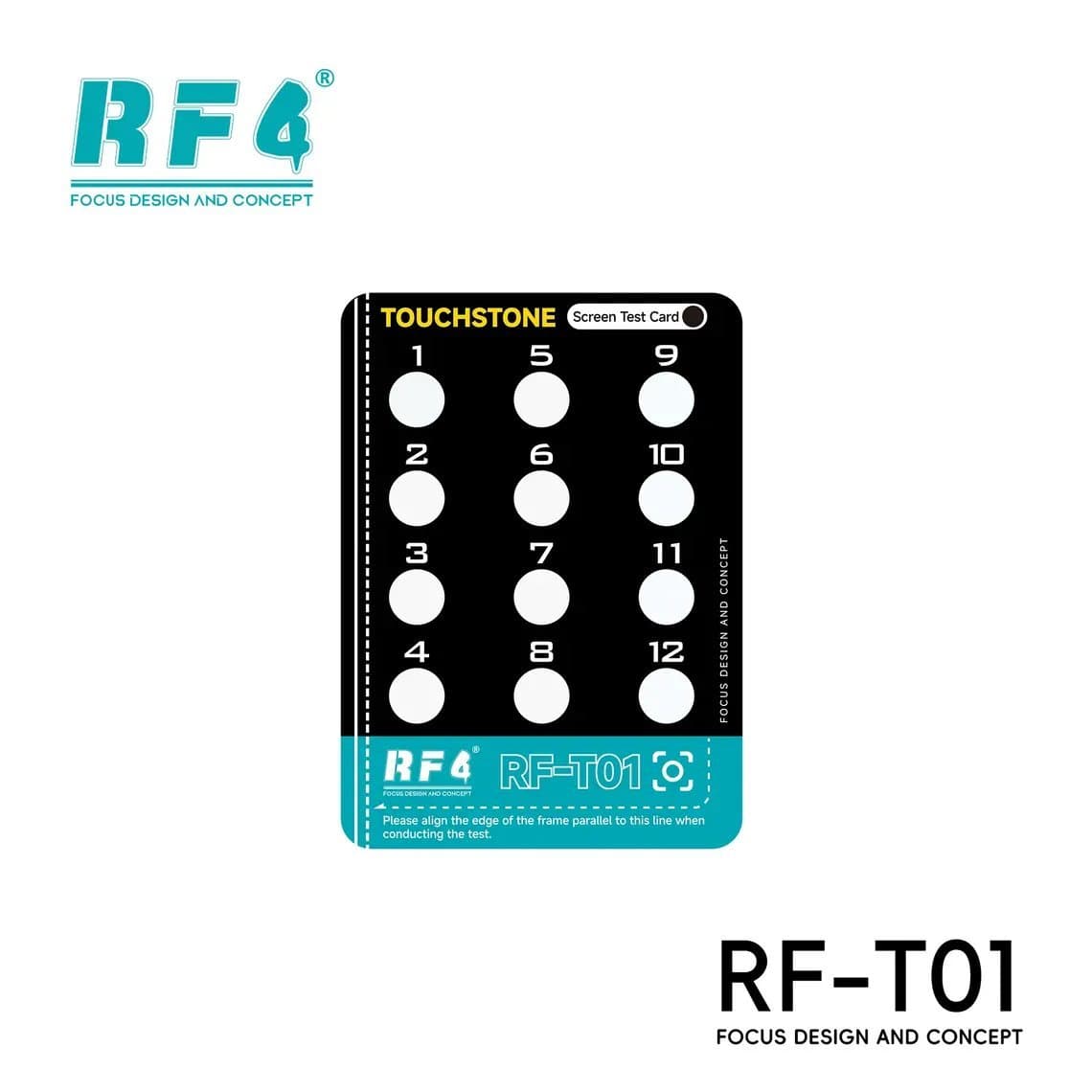
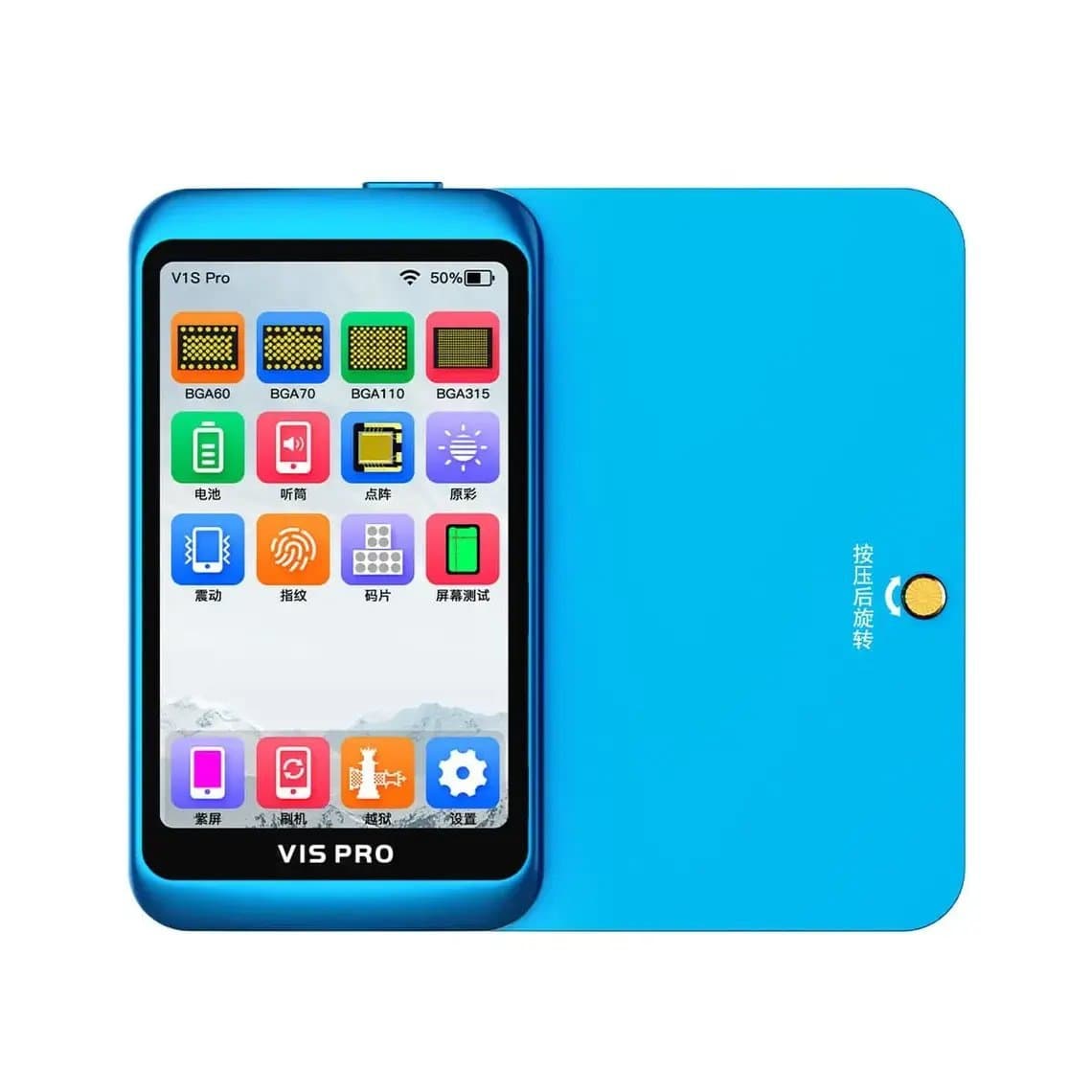
Testing matters even more for parts that interact with the phone's software, such as screens and batteries on newer iPhones. It also helps to have your own tools for checking. A screen identification tool like the RF4 RF-T01 Original Screen Identification Card lets you confirm what you received. A programmer such as the JCID V1S Pro helps you transfer True Tone and battery data after the repair.
4. Stock depth on popular models
A supplier with a long catalogue is no help if the screens you need most are always out of stock. Check availability on the models you repair every week.
- Look at current stock for the last several iPhone generations, for example the iPhone 12/12 Pro OLED, iPhone 14 OLED and iPhone 15 Pro Max OLED.
- Check whether they carry more than one grade per model, so you can offer customers a choice.
- Look for Samsung coverage too. Browse a supplier's Samsung screens range to see if it covers the Galaxy models common in your area.
- Ask how quickly new models are added after launch.
5. Shipping options, speed and duties
For an international supplier, shipping is part of the product.
- Carriers. Express couriers such as DHL, FedEx and UPS are usually faster and easier to track than postal services.
- Dispatch time. Ask how long orders take to leave the warehouse, not only the transit time.
- Duties and taxes. Find out who pays import duty and tax, and whether it is collected on delivery. This varies by country, so factor it into your part cost.
- Packaging. Screens need rigid, well-padded packaging. Ask how they pack fragile parts.
- Batteries. Lithium batteries have special shipping rules. Confirm the supplier can ship them legally to your country.
6. MOQ and wholesale pricing
Minimum order quantities and pricing tiers vary widely. Understand them before you compare prices.
- Is there a minimum per order or per item?
- How do you qualify for wholesale prices? A one-off threshold, a monthly spend or an approval process?
- Are prices shown openly once you qualify, or do you need to request a quote every time?
- Can you reorder quickly by SKU, or do you have to rebuild every order by hand?
Compare total landed cost: part price plus shipping plus duty, minus the cost of expected failures. The cheapest unit price is not always the cheapest part.
7. Returns and defect process
Every supplier ships a faulty part now and then. What matters is how they handle it.
- How do you report a defect? Photos, video, a form?
- How fast do they respond?
- Do you send parts back, or can defects be credited against your next order?
- Is there a time limit to report dead-on-arrival parts?
A clear, written process saves arguments later.
8. Communication
You will have questions about compatibility, grades and orders. Test the supplier before you buy.
- Send a technical question and see how fast and how clearly they reply.
- Check they offer channels that suit you, such as email, chat or a contact form.
- Check business hours against your time zone.
- Note whether answers are specific or vague and copied.
9. Start with a sample order
Never move your whole parts budget to a new supplier at once. Place a small order across a few models and grades, for example an iPhone 13 Pro OLED and an iPhone 14 OLED, and check:
- Did the parts match the listing and grade?
- How was the packaging?
- Was delivery on time and tracked?
- How did the parts perform once fitted, and over the following weeks?
Run the new supplier alongside your current one for a while before switching fully.
Red flags to watch for
- Grades that are vague, missing or change name from order to order.
- Every screen called "original" at prices that do not make sense for original parts.
- No written warranty, or a warranty that is only mentioned in chat.
- No physical address or business details.
- Payment only through methods that offer you no protection.
- Pressure to place a large first order.
- Slow or evasive answers to simple technical questions.
- Product photos that look copied from elsewhere.
Supplier checklist
| What to check | Good sign | Warning sign |
|---|---|---|
| Quality grades | Each grade named and explained on the product page | Everything labelled "original" or "high quality" |
| Warranty | Written period per grade, with clear exclusions | Verbal promises only |
| Testing | Parts tested before shipping | No answer when asked |
| Stock depth | Popular models in stock in more than one grade | Common models often out of stock |
| Shipping | Express couriers, tracking, clear dispatch time | Untracked post, vague timelines |
| Duties | Explains who pays and how | Surprise charges on delivery |
| Pricing and MOQ | Clear wholesale rules and fast reordering | Hidden tiers, quote for everything |
| Returns | Written defect process and response time | Case-by-case, no policy |
| Communication | Fast, specific technical answers | Slow, generic replies |
| Sample order | Happy for you to start small | Pushes a large first order |
How LightspeedTools measures up
We are a wholesale supplier based in Shenzhen, and we built our terms around this checklist. Every screen is sold under a named grade with a written warranty: Original New and Original Refurb 12 months, Original Pull 6 months, Premium Soft OLED 12 months, Hard OLED 6 months and Incell 3 months. Batteries carry 6 months. Products are tested before shipping.
We ship worldwide by DHL, FedEx and UPS. Wholesale prices unlock after $500 of purchases, and you can reorder by SKU or upload a CSV through Quick Order. Browse our iPhone screens to see how grades and stock are shown, or read how the program works on our wholesale page.
Questions
How do I know if a phone screen supplier is reliable?
Look for clearly explained quality grades, a written warranty and a defined returns process. Ask a technical question and judge the reply. Then place a small sample order and check the parts over a few weeks before buying in volume.
What is the difference between original and aftermarket phone screens?
Original screens are made by or for the phone maker, either new, refurbished or pulled from used phones. Aftermarket screens are made by third parties, as soft OLED, hard OLED or LCD (incell), and vary in brightness, colour, thickness and power use. A good supplier labels each one clearly.
Is it safe to buy phone parts wholesale from China?
Many repair shops worldwide buy from Chinese suppliers, since much of the parts supply chain is based there. The key is choosing a supplier with clear grades, written warranty, tracked express shipping and an easy way to contact them. Start with a small order to build trust.
Who pays import duty on wholesale phone parts?
Usually the buyer pays import duty and tax in their own country, often collected by the courier on delivery. Rules and rates depend on your country and the order value. Ask the supplier how it works for your destination and add it to your part cost.
Looking for a supplier you can rely on? Open a wholesale account to start working toward wholesale pricing, or message us with your questions and the models you repair most.