B2B Phone Repair Business Opportunity: Schools, Fleets, Insurers
17 November 2026 · LightspeedTools team
Short answer: B2B repair work for schools, company fleets and insurers is one of the steadiest phone repair business opportunities, because it brings repeat volume instead of one-off walk-ins. To win and keep it you need fast, predictable turnaround, a fixed price list by model and part, written reports, a clear warranty, data-handling rules and the stock to deliver every time.
Walk-in customers are unpredictable: a busy Saturday, then a quiet Tuesday. A contract with a school, a delivery company or an insurance claims handler can fill those quiet days with planned work. But business customers judge you differently from consumers. They care less about the cheapest price and more about reliability, paperwork and not having to chase you. This guide covers what they expect, how to set up the contract, how to stock for it, how insurer work differs, and the risks to watch.
Who buys B2B repairs
| Customer type | Typical devices | What matters most to them |
|---|---|---|
| Schools and colleges | Tablets, Chromebooks, laptops, some staff phones | Batch turnaround before term, fixed budget, pickup and drop-off |
| Company fleets (delivery, field service, sales teams) | Phones and rugged devices, often one or two models in bulk | Minimal downtime, swap or loan units, monthly invoicing |
| Insurers and claims handlers | Any consumer phone or tablet | Documentation, photo evidence, approval before work, fraud prevention |
| Phone retailers and carrier dealers | Customer devices sent for repair | Trade pricing, consistent quality, quick returns |
| Rental, leasing and refurbishing companies | Returned devices needing cosmetic and functional repair | Cost per unit, consistent grades, volume capacity |
What B2B customers actually need
Fast, predictable turnaround
A business would rather hear "three working days, every time" than "maybe today, maybe next week". Set a turnaround you can hit even in your busiest week, and agree what happens when a part is unavailable (for example, you notify them within 24 hours with a new date).
Predictable pricing
Procurement teams need to budget. Give them a price list by model and repair, valid for a fixed period, rather than quoting each job separately. If part costs change sharply, agree in advance how and when prices can be reviewed.
Reports
Every device should come back with a short record: asset tag or serial/IMEI, fault reported, fault found, parts fitted with their grade, tests passed, technician and date. Schools and fleets use this to spot devices that keep breaking and users who need a better case.
Warranties in writing
Spell out the warranty for each part type and what voids it. Business customers often hand devices to many users, so be clear that new drops and liquid damage are not covered. Our guide on how long a repair warranty should be and what it should cover is a useful starting point.
Pickup and delivery
Collecting a batch from a school office or a depot is often what wins the contract. Use sealed, labelled bags or boxes per device, and sign devices out and back in with a count on both sides.
Contract basics
You do not need a fifty-page agreement, but you do need the main terms in writing. Have a local lawyer or business adviser check your template; rules on contracts, liability and data differ by country.
Service levels
- Turnaround per repair type (screen, battery, port, board-level assessment).
- Response time for quotes on out-of-scope faults.
- What counts as "beyond economical repair" and who decides.
- Loan or swap devices, if offered, and who is liable while they are out.
Price list by model and part
List each common model with the price for each repair and the part grade used. Specify the grade, not just "screen": an Original Refurb, a Premium Soft OLED and an Incell LCD are very different products with different warranties. Linking your price list to defined quality grades avoids arguments later.
Volume terms
Volume discounts should be tied to actual volume, for example a lower price once a set number of devices is sent per month or per term. Avoid giving the volume price up front for a volume that may never arrive.
Data protection and device wiping
This is where B2B work differs most from walk-in repair. Business devices may hold customer data, student information or company email. Agree in writing:
- Whether you need passcodes at all. For most hardware repairs you can test without them; avoid holding passcodes if you can.
- Who wipes devices, and when. Usually the customer's IT team resets or wipes before sending; you should not wipe without written instruction.
- How devices are stored (locked area, limited access) and how long records are kept.
- What happens to replaced parts that may store data, such as boards from beyond-repair devices.
Data protection law varies by country (for example GDPR in the EU and UK), and larger customers may ask you to sign a data processing agreement. Get advice locally rather than assuming one set of rules applies. Never attempt to bypass activation locks or account locks; if a device is locked, return it to the owner's IT team.
Stocking for contracts
A contract you cannot supply is worse than no contract. B2B customers usually standardise on a handful of models, which makes planning easier.
Use consistent grades
Fit the same grade for the same contract every time. If a school's tablets got one grade of screen in March and a cheaper one in June, they will notice brightness or touch differences between units. Note the agreed grade on each job sheet. Our grade definitions set out the warranty for each: Original New and Original Refurb screens carry 12 months, Premium Soft OLED 12 months, Hard OLED 6 months, Incell 3 months, and batteries 6 months.
Plan reorders around the contract
- Ask the customer for their device list by model and quantity.
- Estimate how many repairs per month you expect for each part and keep a buffer to cover your supplier lead time.
- Schools often break more devices at certain points in the term; plan stock ahead of known peaks.
- Keep contract stock separate from walk-in stock so a busy retail week does not empty it.
For a practical method, see how much stock a phone repair shop should hold. The core parts for most fleet work are iPhone screens and iPhone batteries.
Tools that make batch work faster and better documented
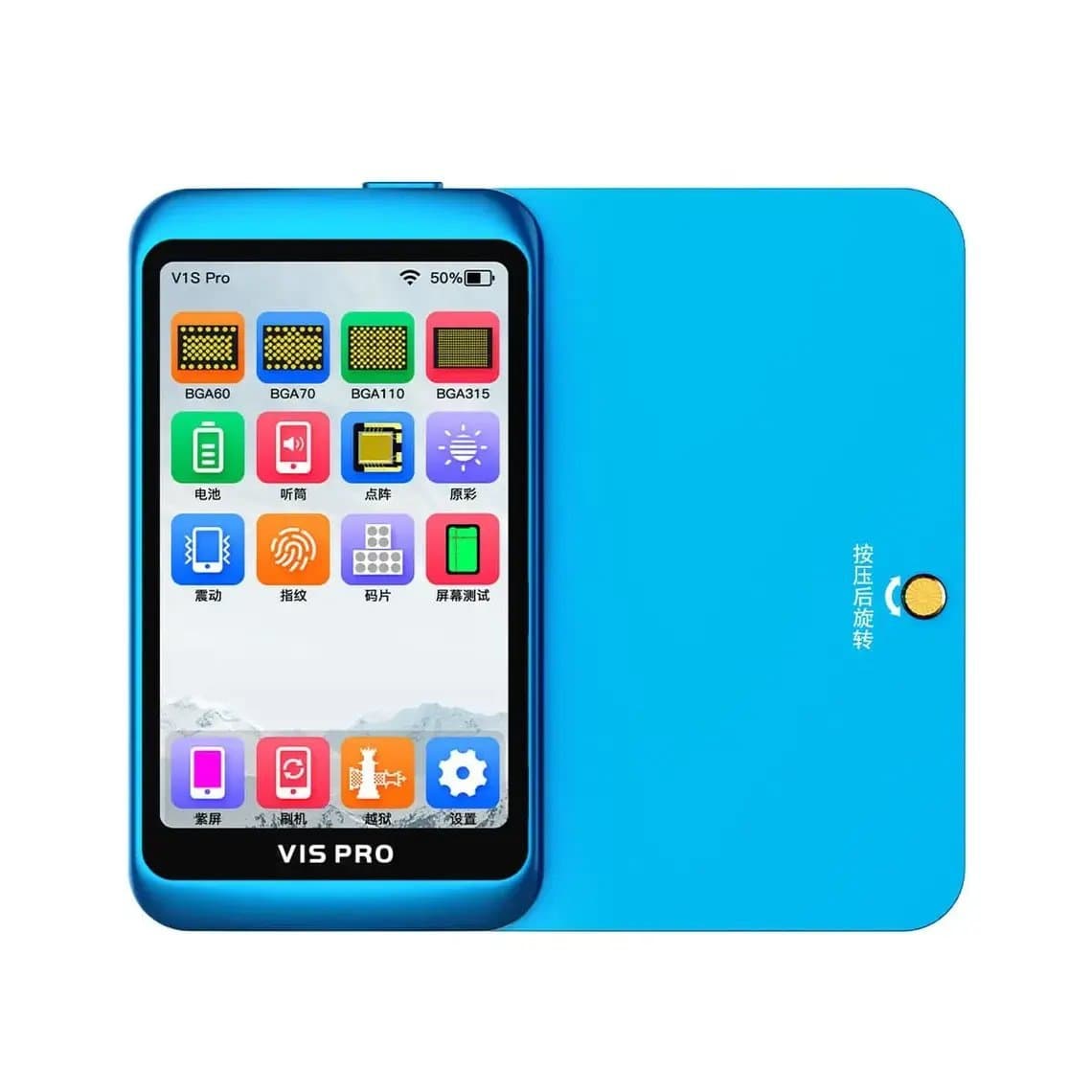
Batch work rewards a consistent bench routine. A good i2C 7-in-1 opening tool kit keeps every technician using the same tools. Test screens and batteries before fitting with a tester such as the W28 Pro screen and battery tester, and a Wylie battery switch boot cable speeds up power-on tests. On supported iPhone models, a programmer like the JCID V1S Pro can restore True Tone and battery health data, which helps when a fleet manager reads battery health to decide replacements. Recent iPhones may still show an "Unknown part" notice after non-Apple parts are fitted; the part works, but tell the customer before they see it.
Insurer work: approvals and evidence
Insurance repairs follow the insurer's process, not yours. Expect:
- Claim intake: the insurer or claims handler sends a claim reference and the reported damage.
- Inspection and quote: you assess the device and submit a quote using their format, often against a fixed rate card.
- Approval: do not start work until written approval arrives. Unapproved work may simply not be paid.
- Repair and report: record parts, grades, tests and serial/IMEI.
- Invoice: bill the insurer and, where applicable, collect the excess from the customer as the insurer instructs.
Photo evidence
- Photograph the device on arrival from all sides, with the claim reference visible on a label.
- Photograph the IMEI or serial number and any liquid indicators you check.
- Photograph the damage close up and after repair, and keep the files with the job record.
- Note anything that does not match the claim (for example, signs of earlier repairs or liquid damage on a "drop" claim) and report it factually.
Insurers often audit repairers, so tidy records protect you as much as them.
Invoicing and tracking
- Use a repair management system or at least a shared spreadsheet with job number, customer reference, device, status and dates.
- Invoice by the customer's preferred method: per job, weekly or monthly with a statement.
- Always include their purchase order or claim reference; missing references are a common reason invoices sit unpaid.
- Track turnaround against your agreed service level and share it with the customer. Proving you hit the target helps at renewal time.
Risks to watch
| Risk | How to manage it |
|---|---|
| Slow payers | Agree payment terms up front, check the customer's payment record if you can, start with smaller batches, and pause work when invoices are well overdue. |
| Scope creep | Define what each price includes. Extra faults found during repair need a written quote and approval first. |
| Over-dependence on one client | Keep walk-in trade and several smaller accounts so losing one contract does not sink the shop. |
| Thin margins at volume | Price from your real part cost plus labour time, not a competitor's tender. Walk away from work that only covers parts. |
| Warranty disputes | Record part grade, tests and photos for every device so you can show what left your bench. |
| Supply gaps | Agree substitution rules (same or better grade) and keep a buffer for the main models. |
Questions
Is B2B phone repair a good business opportunity?
It can be, because contracts bring steady, plannable volume. The trade-off is lower prices per job, longer payment terms and more paperwork. It works best alongside walk-in trade rather than replacing it.
How do I get a repair contract with a school?
Contact the IT manager or business manager with a simple offer: a price list for their device models, a turnaround promise, collection and drop-off, and written reports. Starting with a small trial batch lets them see your work before committing.
Should I wipe business devices before repair?
Usually no. The customer's IT team should decide and, if needed, wipe devices before sending them. Only wipe with written instruction, and follow the data protection rules that apply in your country.
How do insurance phone repairs get paid?
Normally the insurer pays the agreed rate after you submit the repair report and invoice with the claim reference. The customer may pay an excess, collected as the insurer directs. Never start before written approval.
Contract work needs dependable supply at consistent grades. Open a wholesale account for trade pricing, reorder by SKU or CSV with Quick Order, or contact us to plan stock for a new contract.