iPhone 13 Repair Guide: All 4 Models, Common Faults and Parts
17 November 2026 · LightspeedTools team
Short answer: The iPhone 13 series (13 mini, 13, 13 Pro and 13 Pro Max) all use OLED screens, and the jobs you will see most are screens, batteries, charging port flex cables, back glass and rear camera lenses. The Pro models add a high refresh rate ProMotion display, so screen grade choice matters more there. Plan for "unknown part" or "not genuine" notices after non-Apple parts, and treat the Face ID and front sensor area with extra care.
iPhone 13 devices are old enough that batteries are wearing out, but new enough that customers want them fixed rather than replaced. This guide covers all four models: what differs, the repairs you see most, the parts each job needs, screen grades and parts notices.
The four iPhone 13 models and how they differ
All four models share the same basic generation design: flat aluminium or steel sides, glass front and back, and a notch that Apple made smaller than on the iPhone 12. Inside, the layouts differ enough that parts are rarely interchangeable between models, even when two phones share a screen size.
| Model | Screen | Rear cameras | Frame | Repair notes |
|---|---|---|---|---|
| iPhone 13 mini | 5.4" OLED, 60 Hz | Dual (wide + ultra wide) | Aluminium | Very tight inside; flex cables are short and easy to stress |
| iPhone 13 | 6.1" OLED, 60 Hz | Dual, set diagonally | Aluminium | Highest volume model; the most common parts orders |
| iPhone 13 Pro | 6.1" OLED, ProMotion | Triple + LiDAR | Stainless steel | Same size as the 13 but its screen and housing are not the same part |
| iPhone 13 Pro Max | 6.7" OLED, ProMotion | Triple + LiDAR | Stainless steel | Large camera bump; rear lens glass takes a lot of impacts |
Two differences matter most at the bench. First, the 13 and 13 Pro are both 6.1 inch phones, but their screens, back glass, camera parts and frames are different. Always confirm the exact model before ordering. Second, the Pro models use ProMotion displays that can refresh at up to 120 Hz. That affects screen choice, covered below.
Compared with the iPhone 12, Apple moved the earpiece to the top edge and rearranged the Face ID parts to shrink the notch, so the top of the phone is more crowded and 12-generation parts do not carry over.
The most common iPhone 13 repairs
Screen replacement
Cracked glass, black screens after a drop, green or white lines and touch faults are the biggest single category. Because all four models are OLED, the panel itself is fragile: a drop can leave the glass intact while the OLED behind it is damaged, showing black blotches or lines. Test with a known-good screen before quoting.
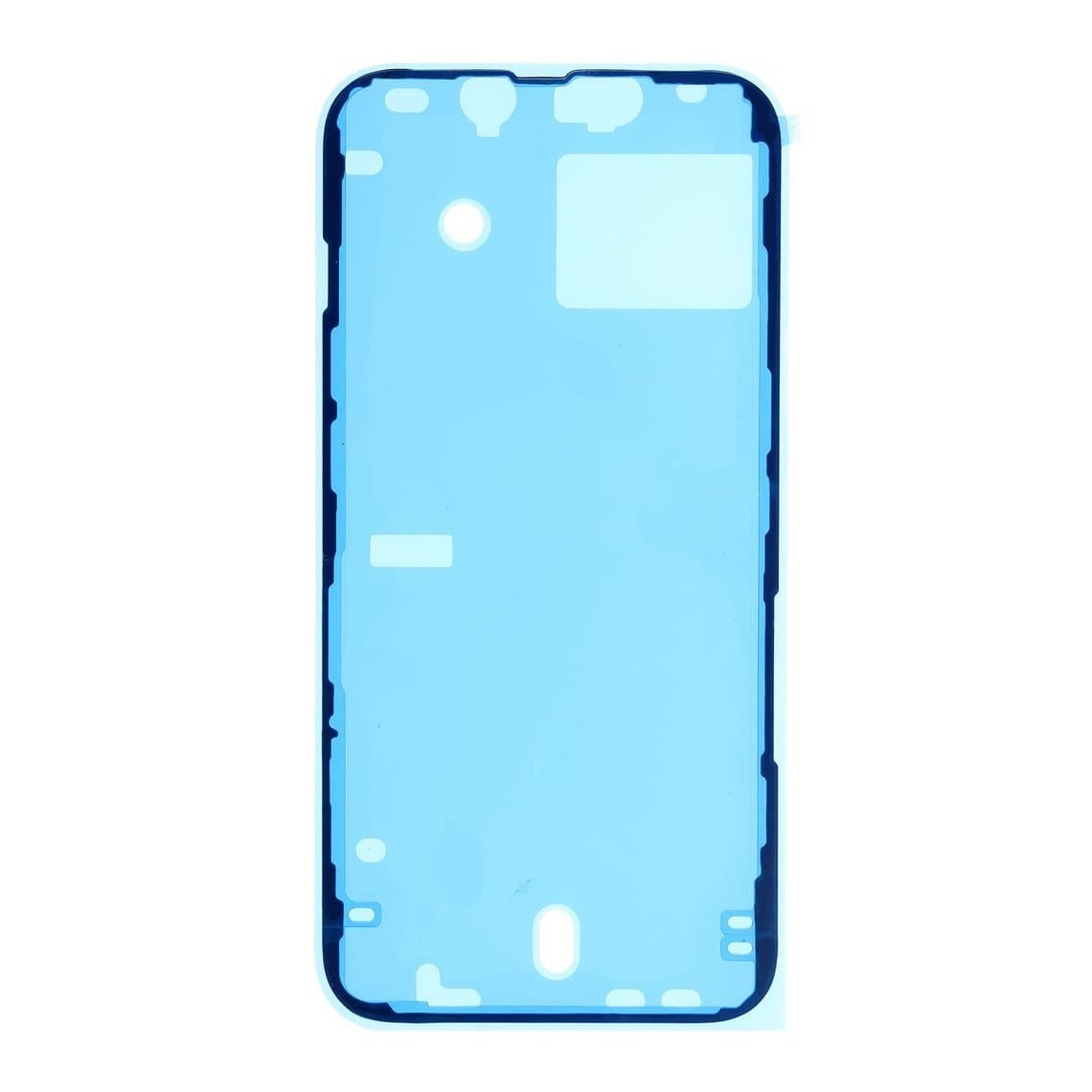
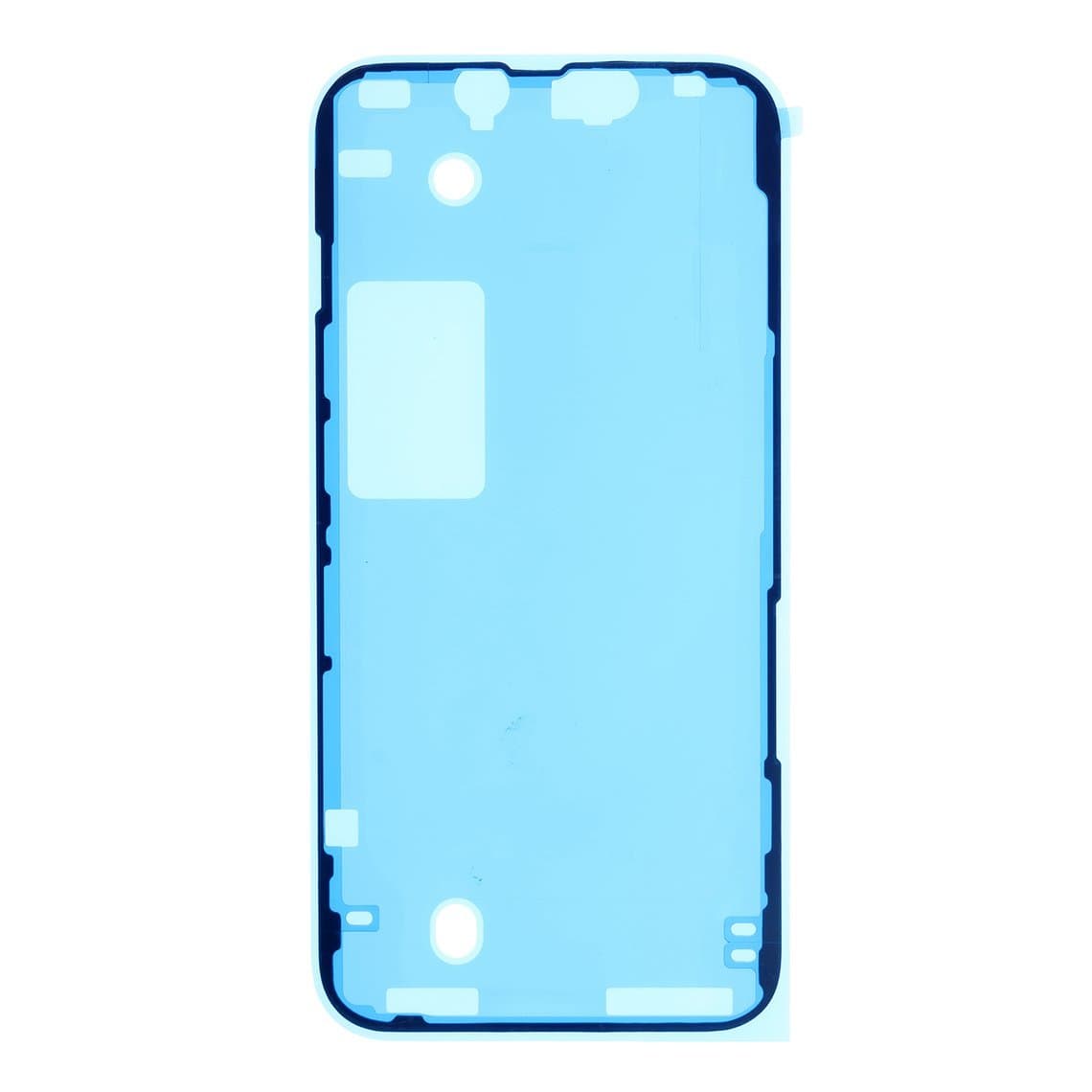
Use fresh frame-to-bezel adhesive for the iPhone 13 on every screen job, and the matching gasket for other models such as the iPhone 13 Pro frame adhesive. The adhesive is model-specific, because the frame outlines differ. Skipping it lets in dust and moisture.
Battery replacement
Many iPhone 13 batteries are now well worn. The job is routine: screen off, disconnect, release the stretch-release strips, fit the new cell with new adhesive. What differs is the software notice. After a non-genuine or unpaired battery is fitted, iOS commonly shows a message that it cannot verify the battery, and battery health may not display a percentage. The battery still charges and works. Some technicians use a battery programmer on supported models to carry the health data over; whether that works depends on the model, the iOS version and the programmer.
Charging port flex
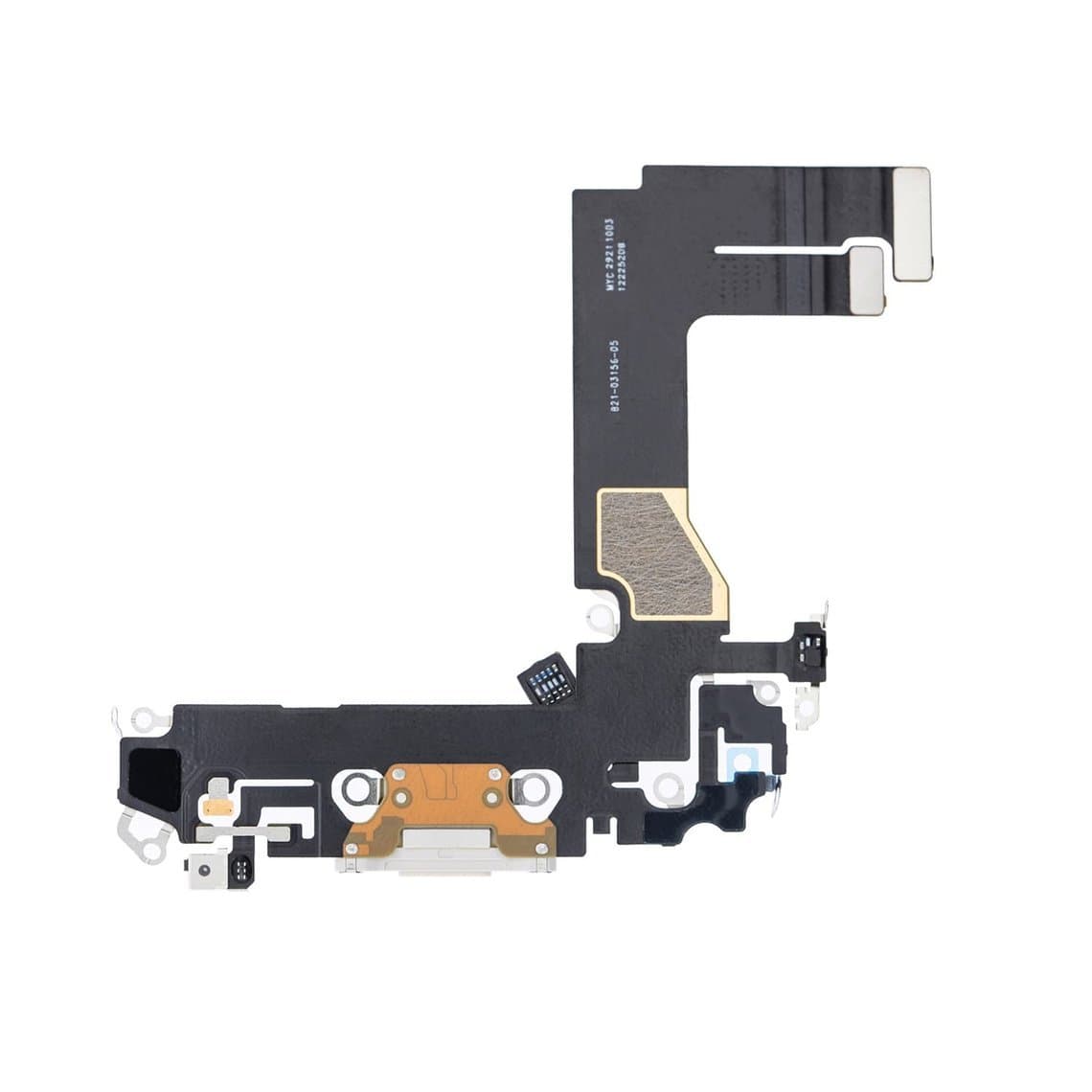
"Not charging" or "charges only at an angle" is often lint packed into the Lightning port. Clean it with a non-metal pick first. If the pins are worn or bent, or the microphone and charging both fail, replace the flex. On the 13 the flex is colour-matched to the housing, so order the right finish: for example the iPhone 13 charging flex in Midnight or the iPhone 13 mini charging flex in Starlight. The bottom microphones sit on this flex on most iPhones, so test calls and voice memos after fitting it.
Back glass
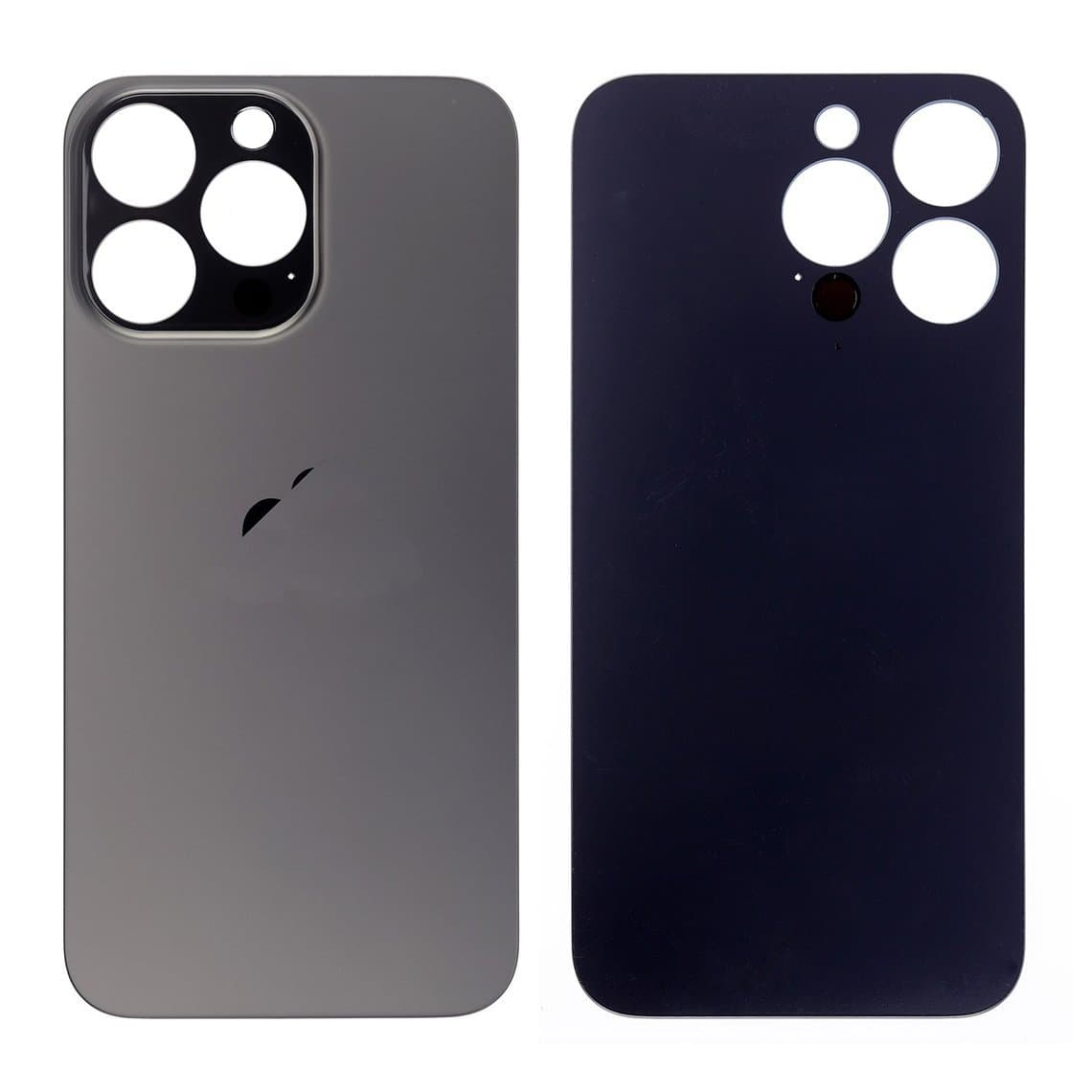
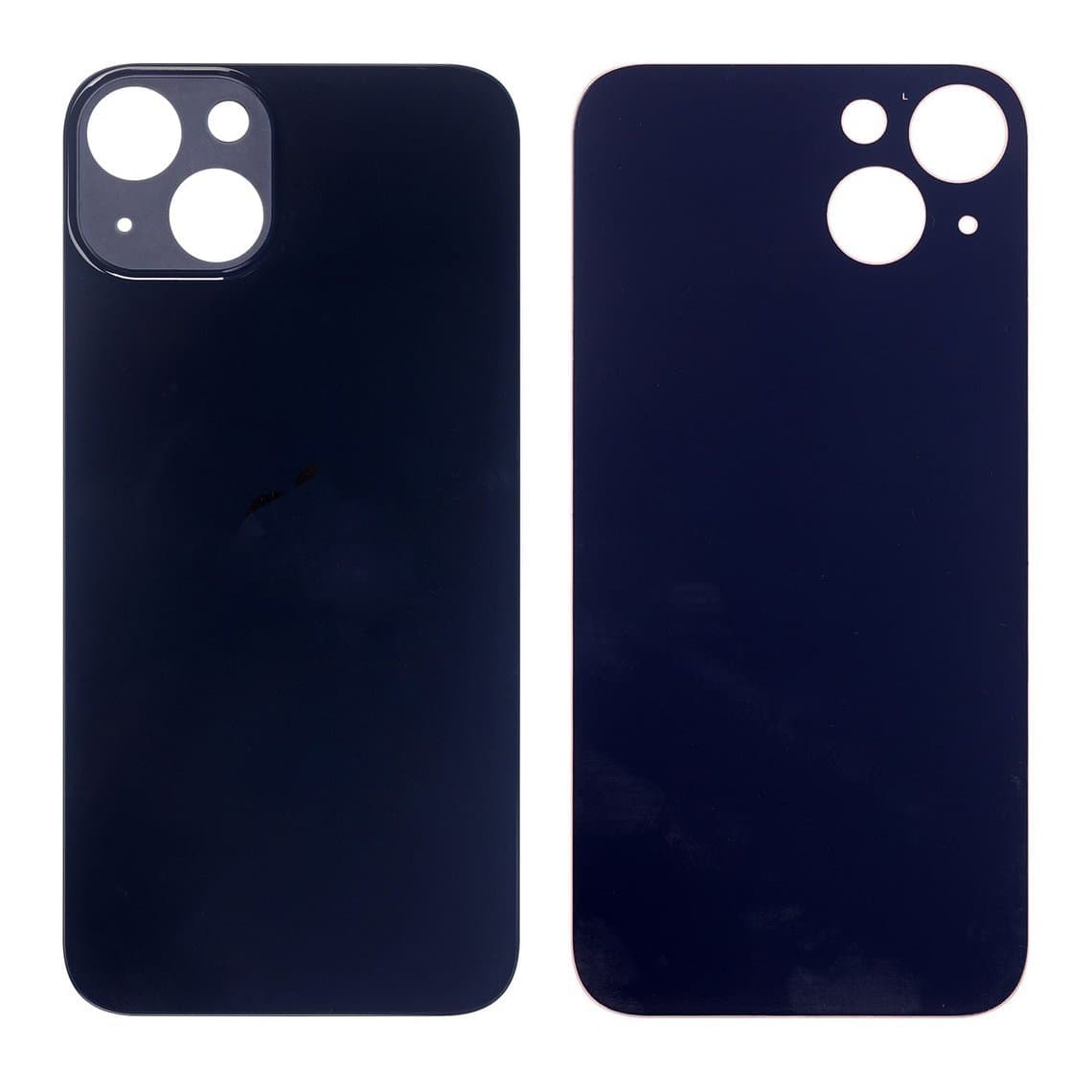
Back glass on the whole 13 series is bonded to the frame, not screwed in. The two common routes are laser removal and refitting new glass, or moving everything into a new housing. Each has trade-offs in time, cost and finish, explained in our guide to back glass replacement by laser vs housing swap. Match colour and model exactly: the iPhone 13 Pro back glass in Graphite will not fit a 13 Pro Max, and the 13 mini glass, such as the 13 mini back glass in Midnight, has its own camera cut-out.
Rear camera lens and flash
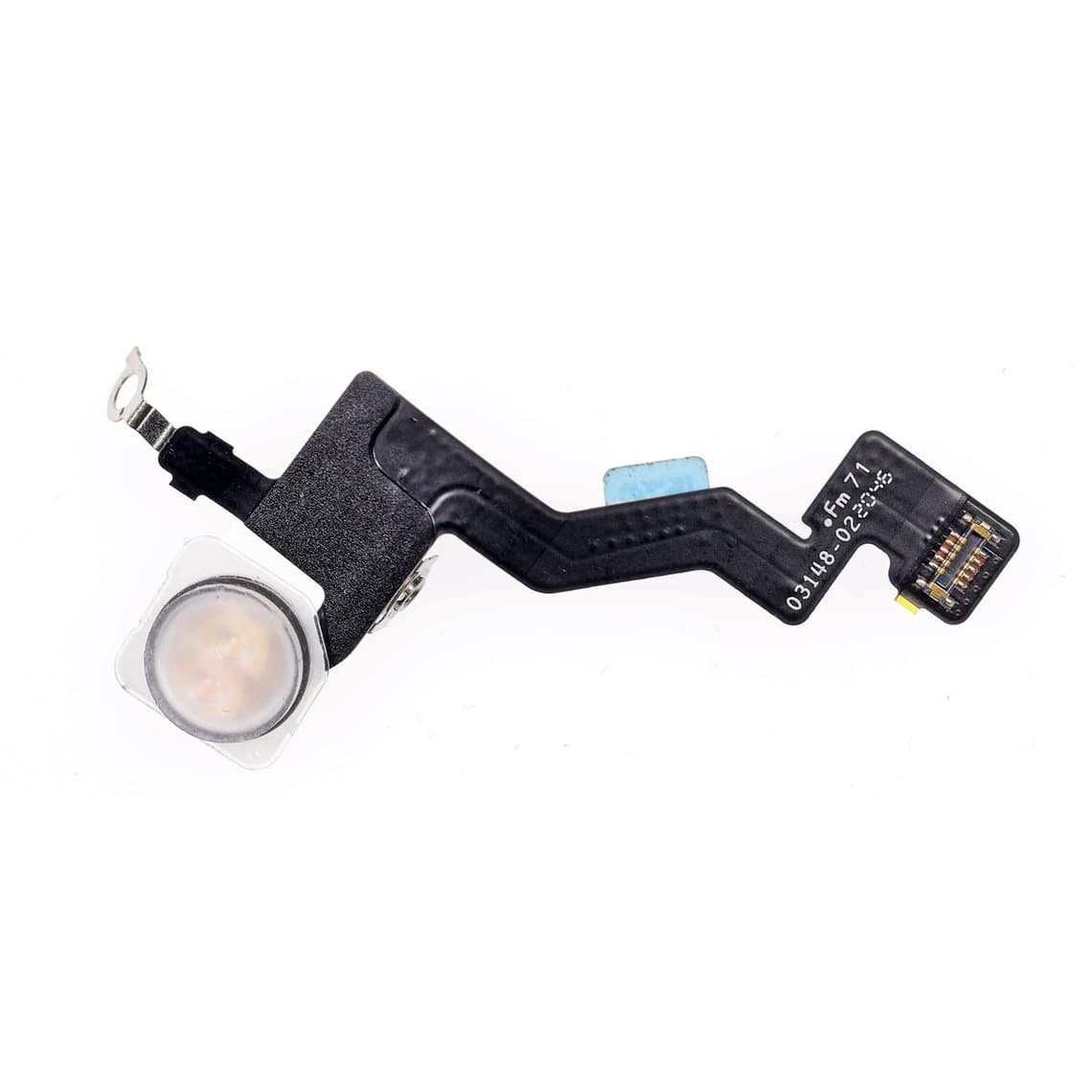
The camera bumps on this generation stick out, especially on the Pro models, so the small lens covers crack often. A lens cover is a cheap fix, but fit it in a clean area: dust under the lens shows in every photo. If the flash does not fire or the torch control is greyed out, check the flash flex; the iPhone 13 flash light flex cable is the matching part for the standard model.
Earpiece, front sensors and Face ID
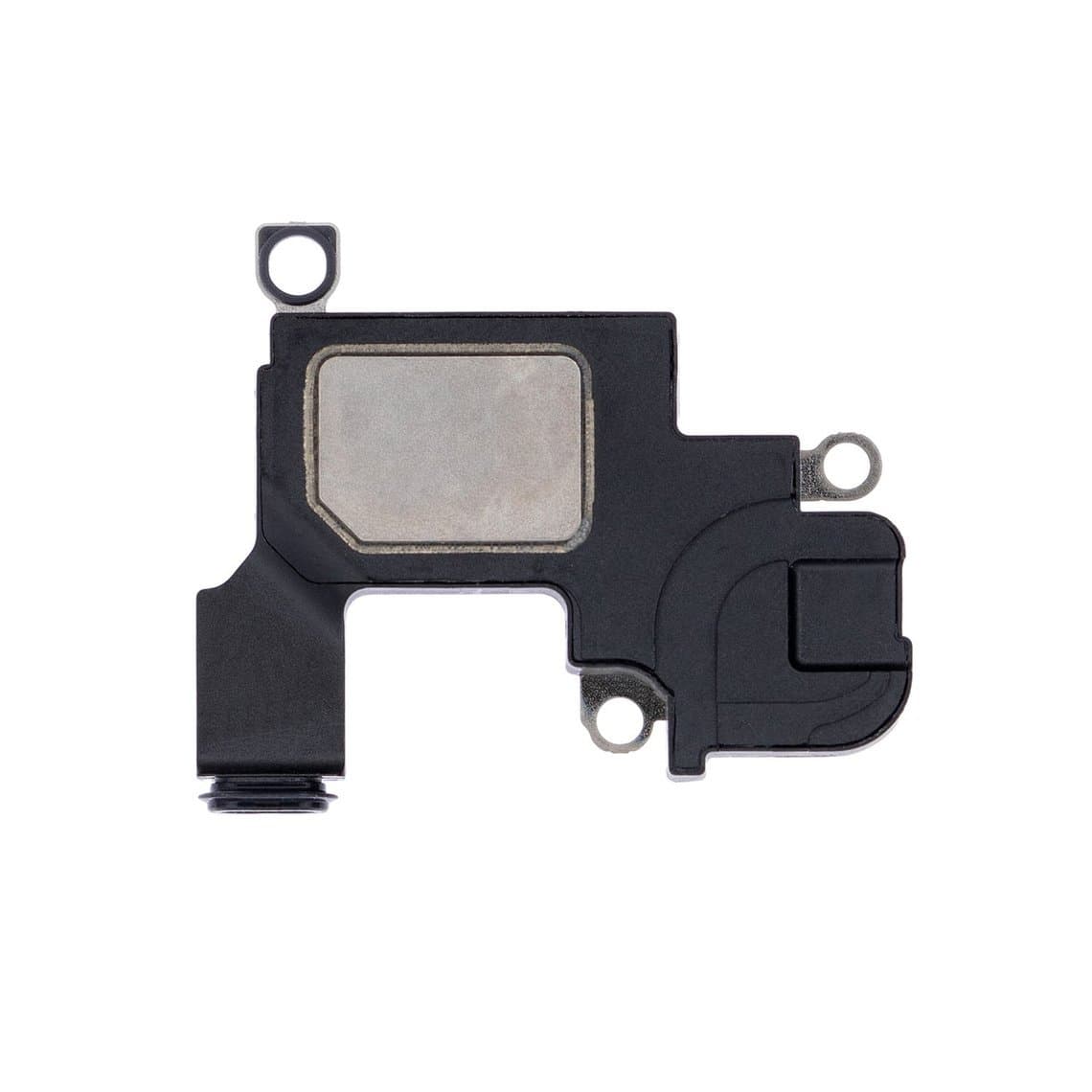
For quiet call audio, clean the mesh first, then swap the speaker if needed, for example the iPhone 13 ear speaker. Work slowly here. On this generation the proximity function is reported to sit with the Face ID hardware rather than on a separate earpiece flex, so damage near the top of the phone can disable Face ID, and Face ID parts are paired to the logic board. If Face ID stops working after a repair, work through our checklist for Face ID not working after repair before assuming the module is dead.
Buttons and flex cables
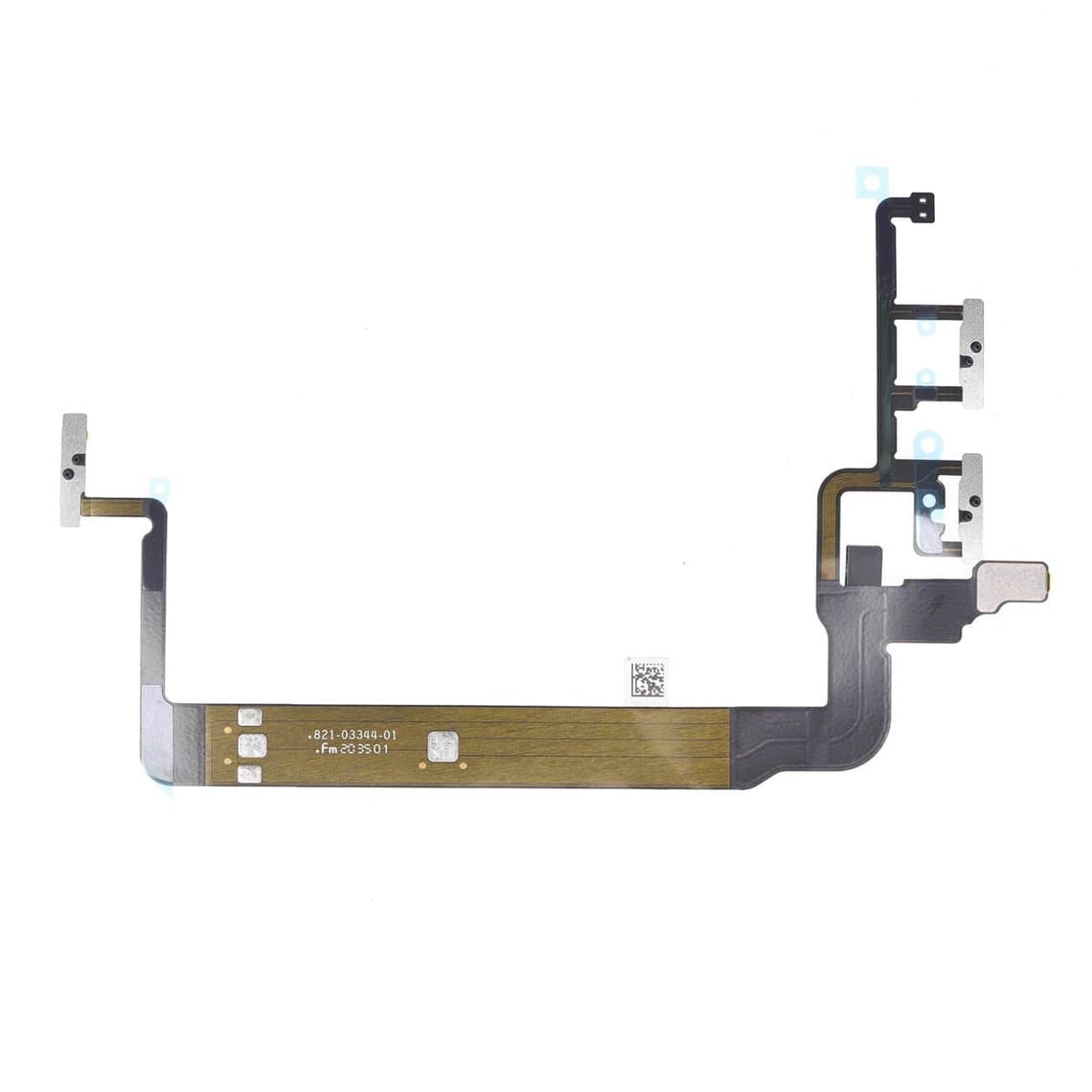
Power buttons that stop clicking or respond only sometimes are common on phones that live in tight cases. On the Pro models the side button flex is a separate part: the iPhone 13 Pro Max power button flex is not the same as the 13 Pro version. Check the bracket first; a bent one can look like a dead flex.
Problem areas that are commonly reported
These are patterns technicians commonly report, not guaranteed faults.
- Lines or patches on OLED screens after minor impacts. The OLED layer can fail even when the glass looks fine.
- Rear camera lens cracks on the Pro and Pro Max, because of the large camera island.
- Charging faults from lint and worn ports on older phones that charge every night.
- Face ID failure after drops or liquid exposure, especially if the top of the phone took the impact.
- Battery capacity loss on phones that have been charged to 100% and run hot for years.
Parts list by job
| Job | Parts to have ready | Watch out for |
|---|---|---|
| Screen | Screen in the right grade, model-specific frame adhesive | Swap the earpiece and sensor parts carefully; check True Tone afterwards |
| Battery | Battery, battery adhesive strips | Notice about battery verification; lithium safety |
| Charging | Colour-matched charging flex | Test both bottom microphones afterwards |
| Back glass | Back glass or full housing in the right colour | Laser settings, heat near the battery |
| Camera | Lens cover, flash flex or camera module | Dust under the lens; camera notices |
| Call audio | Ear speaker | Do not damage the Face ID hardware nearby |
| Buttons | Power or volume flex for the exact model | Pro and Pro Max flexes differ |
Screens and batteries for all four models are listed under iPhone screens and iPhone batteries.
Choosing a screen grade for the iPhone 13 series
Because every model is OLED, the choice is between original panels and aftermarket OLED or LCD options. Our quality grades page explains each grade in detail. In short:
- Original (New, Refurb or Pull): closest to factory brightness, colour and touch. The safest choice for the Pro models.
- Soft OLED: a good mid-price option with true blacks and a flexible panel that resists cracking better than hard OLED.
- Hard OLED: lower cost, slightly thicker; fine for budget repairs.
- Incell (LCD): the cheapest option. Thicker, uses more battery, and blacks are not true black. Make sure the customer knows what they are getting.
For the 13 Pro and 13 Pro Max, ask how the replacement handles refresh rate. Some aftermarket panels for ProMotion models are reported to run at a lower or fixed refresh rate, or to behave differently at the top of the range. If a customer bought a Pro for the smooth display, recommend an original grade or confirm the panel's refresh behaviour with your supplier before you quote.
Parts pairing and on-screen notices
The iPhone 13 series checks several parts against the logic board. After a non-Apple or unpaired screen, battery or camera is fitted, iOS may show a notice that it cannot verify the part, and the part may appear as "unknown part" in the parts and service history. In most cases the part still works. Exactly which parts trigger a notice, and what features are limited, has changed between iOS versions. Our guide to the unknown part message on iPhone explains what the customer sees and how to explain it.
Transfer True Tone data with a programmer where the model and tool support it, and never promise that a notice will not appear: tell the customer up front what to expect.
Safety and good practice
- Disconnect the battery before you unplug any other connector.
- Work on an ESD mat with a wrist strap; OLED panels and flex cables are sensitive to static.
- Use gentle, controlled heat to soften adhesive. Too much heat near the battery is a fire risk.
- Never puncture or bend a battery; isolate swollen cells in a fireproof container.
- Test everything before closing: display, touch, Face ID, cameras, flash, speakers, microphones, charging and buttons.
Before quoting a large repair, check Apple's current software support for the model. A phone that still gets iOS updates is a far better investment for the customer.
Questions
Is the iPhone 13 screen the same as the iPhone 13 Pro screen?
No. Both are 6.1 inch, but the 13 Pro uses a ProMotion panel and the two screens are different parts. The housings and back glass also differ. Always order by exact model.
Will Face ID still work after an iPhone 13 screen replacement?
It usually does, as long as the Face ID hardware is not damaged during the repair. Early iOS 15 releases were widely reported to disable Face ID after a screen swap, but Apple changed this in a later update. Keep the phone on current iOS and handle the top of the phone with care.
Why does my iPhone 13 say "unknown part" after a battery or screen repair?
iOS checks some parts against the logic board, and non-Apple or unpaired parts can show a notice. The part normally still works. Battery health figures may be limited unless the data is transferred with a supported programmer.
Can you replace iPhone 13 back glass without replacing the housing?
Yes. Many shops remove the old glass with a laser machine and fit new glass. The alternative is a full housing swap, which takes longer but gives a factory-like finish.
Find screens, batteries and small parts for every model in the iPhone parts section. Shops buying in volume can unlock trade pricing through wholesale, and re-order fast by SKU or CSV with Quick Order. Every part is tested before it ships from Shenzhen.