iPhone Screen Replacement Cost: What Drives the Price
17 November 2026 · LightspeedTools team
Short answer: iPhone screen replacement cost depends mostly on three things: which model the phone is (OLED or LCD, standard or Pro/Max), which grade of replacement screen goes in, and how much careful labour the job needs to keep features like True Tone and Face ID working. Warranty length, small extra parts and who does the repair (Apple, an authorised provider or an independent shop) explain most of the remaining difference between two quotes for the same phone.
Two people search for "iPhone screen replacement cost": the owner with a cracked phone who wants to know why quotes differ so much, and the repair shop that has to set a fair price. This guide contains no price figures, because parts costs move with supply and differ by country. Instead it explains every factor that moves a quote, so you can judge any number you are given or build your own.
1. The model generation sets the starting point
The single biggest cost driver is the display technology the phone shipped with. Apple has used two kinds of panel in modern iPhones:
- LCD originals. Models such as the iPhone 11, iPhone XR and the iPhone SE (2nd and 3rd generation) use an LCD. LCD assemblies are simpler, the parts supply is mature and the cost is generally the lowest in the range.
- OLED originals. The iPhone X, XS and 11 Pro families, and every standard and Pro model from the iPhone 12 onward, use OLED. OLED panels are more complex to make and more fragile, so a like-for-like replacement costs considerably more than an LCD part.
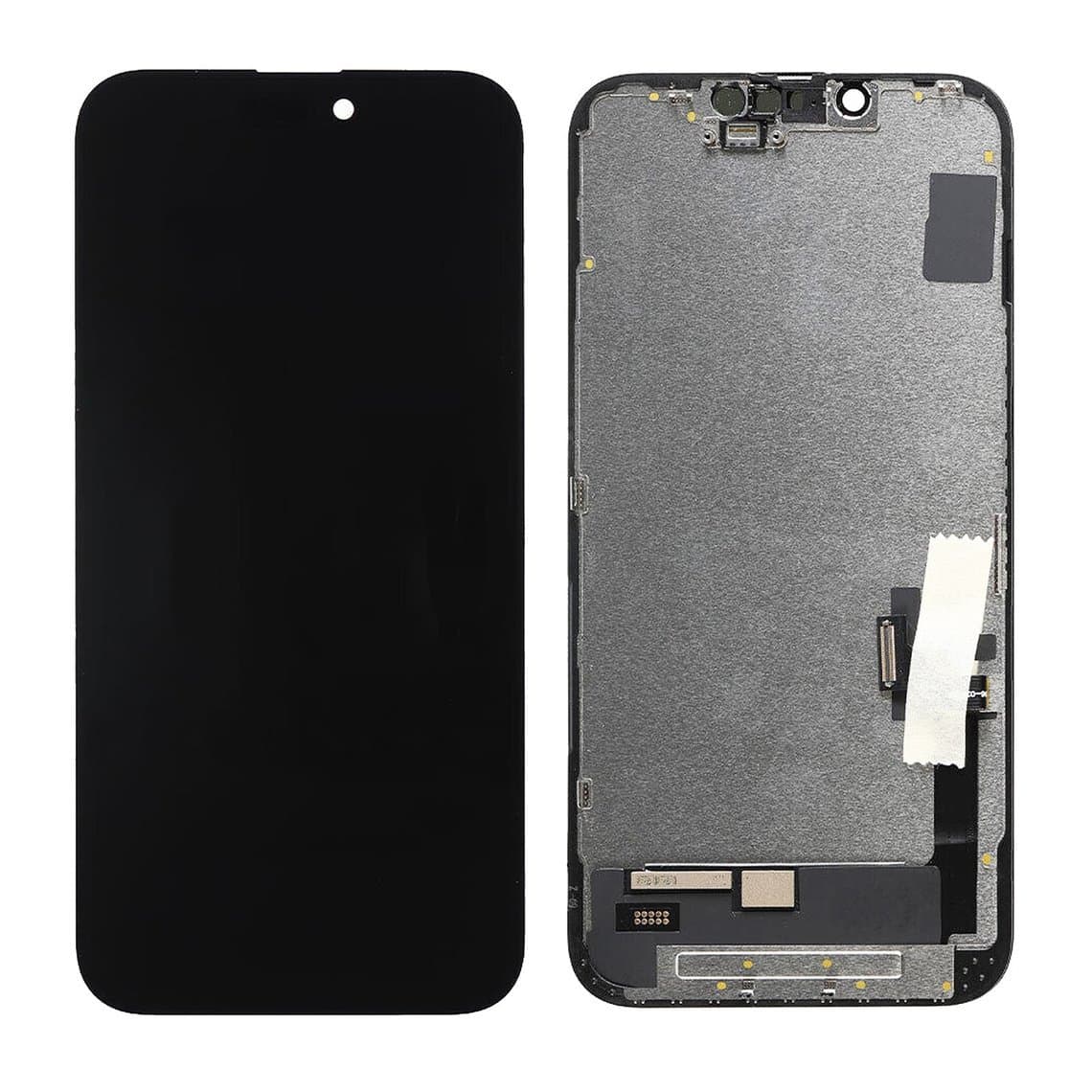
Within the OLED generations, two further things push cost up. Size: a Max or Plus panel uses more material than its smaller sibling, so an iPhone 12 Pro Max OLED assembly sits above the iPhone 12/12 Pro OLED. Pro features: newer Pro models use LTPO panels with variable refresh rate (ProMotion) and, from the iPhone 14 Pro, the Always-On display and Dynamic Island cut-out. These panels are harder to reproduce in aftermarket form, so the gap between grades is often wider. Compare an iPhone 14 OLED with an iPhone 15 Pro Max OLED display assembly and you are looking at two very different parts.
Age matters too: as a model gets older, aftermarket and original-pull supply grows and costs usually ease, while very new models have few options until supply catches up.
2. Screen grade: what you are actually paying for
After the model, the grade of the screen is the biggest lever on cost. A cheap quote and an expensive quote for the same phone are frequently quoting different parts. Our quality grades page explains each in detail; here is the short version with the warranty each grade carries in our store.
| Grade | What you get | Typical trade-offs | Our warranty |
|---|---|---|---|
| Incell (LCD) | An LCD panel with touch built into the display layer, used as a budget replacement on OLED models | Thicker, lower contrast and brightness, higher power draw; colours look different from OLED | 3 months |
| Hard OLED | A real OLED panel on a rigid glass substrate | True OLED blacks and colour; slightly thicker and less shock-tolerant than original; brightness and edges can differ | 6 months |
| Premium Soft OLED | A flexible OLED panel built much closer to the original design | Close to original in thickness, colour and touch feel; costs more than Hard OLED | 12 months |
| Original Pull | A genuine Apple panel removed from another phone | Original quality, but used; condition varies and may show light wear | 6 months |
| Original Refurb | A genuine Apple panel with new cover glass and/or frame refitted | Original image quality at below new-part cost; quality depends on the refurbisher | 12 months |
| Original New | An unused genuine panel | The highest cost and tightest supply | 12 months |
If you want the full technical comparison of the aftermarket grades, read Incell vs Soft OLED vs Hard OLED. For the bigger question of whether aftermarket or original is the better choice for a given customer, see aftermarket vs original iPhone screens.
For consumers, the practical takeaway is simple: always ask which grade is in a quote. A low price on an OLED iPhone very often means an Incell LCD, which works but will not look or last like the screen you had.
3. Labour and risk: why the same part costs more at some shops
Fitting a screen is not just unplugging one part and plugging in another. The work that protects the phone's features is where skill, time and risk sit.
Transfers and calibration
- True Tone. The display carries data the phone uses for True Tone. When a new screen is fitted, True Tone usually disappears unless that data is copied across with a programmer on supported models. This adds a step, a tool and a little time to every job.
- Face ID and the sensor flex. On many models the earpiece speaker sits on a flex that also carries sensors the phone relies on, such as the proximity sensor and, on some generations, a component Face ID depends on. That flex has to be moved from the old screen to the new one without tearing or heating it. A careless transfer can disable Face ID permanently, so experienced shops price in the time to do it properly.
- "Unknown part" notices. Recent iPhones show an "Unknown part" message after a non-Apple display is fitted. The screen still works. A good shop explains this before the job, which is part of the service you pay for.
Risk you cannot see
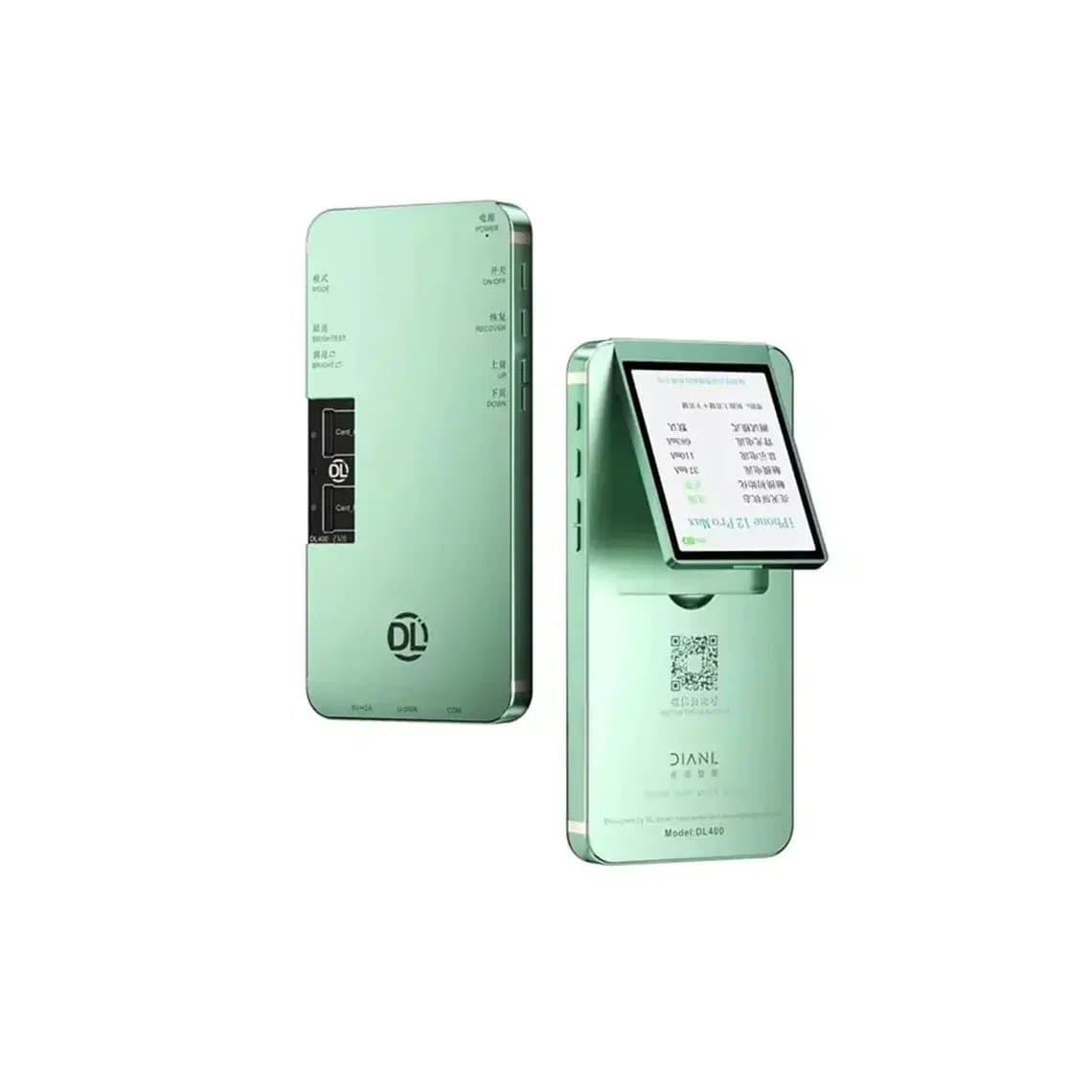
Every job carries some risk: a cracked OLED that was hiding a bent frame, a connector damaged by the drop, or a phone with earlier repairs. Shops build a small allowance into the price for parts lost to these problems. Testing the new screen before final assembly, on the phone or on a dedicated tester such as the DL400 Pro screen tester, reduces that risk because faulty panels are caught before adhesive goes on.
4. Warranty length
A longer warranty is a real cost to the shop, not just a marketing line. If the shop offers 12 months on a screen, it is promising to absorb any returns in that period, so the price must cover the parts and labour for those returns. Our parts warranties run from 3 months for Incell up to 12 months for Premium Soft OLED and original grades; the details are on our warranty page. For shops deciding what cover to give their own customers, see how long a phone repair warranty should be.
5. Extra parts and consumables
A proper screen job uses more than the screen. These small items add up, and skipping them is one way a cheap quote stays cheap.
- Frame adhesive or gasket. A new model-specific seal, such as this iPhone 12-series screen waterproof sticker, restores a seal against dust and splashes. No repair restores the factory water rating, and an honest shop will say so.
- Brackets and screws. Some replacement screens arrive without the metal back plate or small brackets, which must be transferred or replaced.
- Earpiece and sensor flex. If the old flex is damaged, a replacement part (and, depending on the model, extra work to keep Face ID or proximity working) is needed.
- Frame or housing repairs. A bent frame must be straightened, or the new screen will lift or crack again.
6. Apple and authorised service vs independent shops
In general terms, Apple and Apple Authorised Service Providers fit genuine new Apple parts, use Apple's own calibration process and follow Apple's fixed pricing, which depends on the model and whether the phone has AppleCare. You get a consistent result and the part is recognised by the phone. Check Apple's own site for current terms, because policies and prices change.
Independent shops can offer more choice: several grades at different costs, often faster turnaround and repairs on older models that official channels may no longer prioritise. The quality depends entirely on the shop and the part it uses.
7. A worked formula for quoting a screen job
For shops, here is a simple way to build a quote that covers every cost above. Replace each placeholder with your own numbers.
Quote = P + C + (T × H) + R + W + O + M
- P = part cost for the chosen grade, including shipping and import costs.
- C = consumables: adhesive, gasket, screws, any bracket or flex you replace.
- T = bench time in hours for this model, including transfers and testing.
- H = your hourly labour rate.
- R = risk allowance: your typical loss rate on this job type multiplied by P.
- W = warranty reserve: your expected return rate for this grade multiplied by (P + C + T × H).
- O = a share of fixed overheads (rent, tools, software subscriptions) per job.
- M = your margin.
Run the formula once per grade and you have a natural good/better/best menu: the same labour, different P and W. Customers can then choose knowingly. Our guide on how much to charge for phone repair covers labour rates and margins in more depth.
Common mistakes that distort the price
- Quoting before seeing the phone. Hidden frame or board damage changes the job.
- Not naming the grade. Customers compare your Soft OLED quote with someone else's Incell quote and think you are expensive.
- Ignoring True Tone. Customers notice the missing feature and come back.
- Skipping the pre-test. Fitting an untested panel and then finding a dead pixel wastes adhesive and time.
- Working without ESD care. Static and careless prying damage OLED panels and connectors. Use a grounded mat and plastic tools, and disconnect the battery first.
Questions
Why is an iPhone screen replacement more expensive on newer models?
Newer and Pro models use OLED or LTPO OLED panels that cost more to make and are harder to copy in aftermarket form. Supply is also tighter while a model is new. Prices usually ease as the model ages and more parts become available.
Is a cheaper iPhone screen replacement worth it?
It depends on the grade. A cheap quote on an OLED iPhone often means an Incell LCD, which works but has weaker colours, more power draw and a shorter warranty. For a phone you plan to keep, a Soft OLED or original-grade screen is usually better value over time.
Will I lose Face ID or True Tone after a screen replacement?
Face ID should keep working if the sensor flex is transferred carefully. True Tone usually stops unless the shop copies the display data with a programmer on a supported model. Ask the shop before the repair whether they do this.
Does a screen replacement keep my iPhone water resistant?
A new adhesive seal restores some protection against dust and splashes, but no repair can guarantee the original water-resistance rating. Treat a repaired phone as less protected than a new one.
Shops can compare every grade for each model in our iPhone screens category, from LCD parts such as the iPhone 11 LCD assembly to OLED parts like the iPhone 13 Pro OLED. Every screen is tested before it ships from Shenzhen by DHL, FedEx or UPS. Open a wholesale account to unlock trade pricing, and use Quick Order to restock by SKU or CSV.