How to Buy Phone Parts from China (Shenzhen) Safely
17 November 2026 · LightspeedTools team
Short answer: To buy phone parts from China safely, choose a supplier that names its grades honestly, tests parts before shipping and puts warranty and return terms in writing. Start with a small sample order paid by a traceable method, ship by express courier, budget for import duties in your own country, and test every part the day it arrives so problems are caught while the warranty window is still open.
Why most phone parts come from Shenzhen
Shenzhen is the centre of the phone parts trade. Screens, batteries, flex cables, housings and repair tools are made in and around the city, and the Huaqiangbei electronics district in Futian is the best-known wholesale hub: multi-storey buildings full of stalls selling displays, small parts and tools, backed by factories and warehouses across the wider Pearl River Delta.
That concentration is good news for buyers. Prices are lower, stock is deep, and new parts often appear there first. It also means quality varies a lot. The same screen can be offered in several grades under similar names, and a cheap price from one seller is not the same part as a slightly higher price from another. Buying safely is mostly about cutting through that variation.
The four types of supplier you will meet
| Supplier type | What they do well | What to watch |
|---|---|---|
| Factories | Lowest cost on a single product line, consistent batches | High minimum orders, narrow range, often slow to answer small buyers |
| Trading companies | Wide range from many factories, one invoice, can mix small quantities | Quality depends on how well they check what they buy in |
| Market stalls | Fast, flexible, good for spot buys and hard-to-find parts | Mostly cash and local trade, limited after-sales support for overseas buyers |
| Online wholesalers | Clear catalogue, published terms, shipping handled for you | Check that grades are named clearly and that testing is real, not just a claim |
Most repair shops outside China end up working with a trading company or an online wholesaler, because they need many different parts in small quantities rather than thousands of one model. We cover the wider comparison in our guide on how to choose a wholesale phone parts supplier.
How to judge a supplier before you pay
A supplier's website or chat profile tells you little. Their answers to specific questions tell you a lot. Work through this checklist:
- Grade naming. Ask what each grade means: is the screen an original panel, a refurbished original, a pulled part, a soft OLED, a hard OLED or an LCD (incell)? A good supplier explains the difference plainly. Vague labels such as "top quality" or "best copy" with no technology named are a warning sign.
- Testing before shipping. Ask what is tested and how. For screens, that should include display, touch and, where relevant, True Tone and brightness. For batteries, voltage and basic function. "All tested" with no detail is not an answer.
- Warranty and returns in writing. How long is the warranty for each grade? What is excluded (installation damage, cracked glass, liquid)? Who pays return shipping? How is a refund or replacement given? Get it in an email or on a published page, not only in chat.
- Photos and videos of real stock. Ask for photos of the actual parts, labels and packaging, or a short video of a screen powered on. Catalogue images prove nothing.
- Sample orders. A serious supplier is happy to sell a small mixed order so you can check quality first.
- Communication. Do they answer the question you asked, in reasonable time, and admit when they do not know? How a supplier communicates before you pay is how they will handle a problem after.
Grade confusion: the biggest risk
Most bad experiences buying from China come down to grades, not outright fraud. A screen sold as "OLED" might be a soft OLED, a hard OLED or, in some listings, an LCD described loosely. An "original" screen might be a new original, a refurbished original with new glass, or a part pulled from a used phone. Each has a different picture, power draw, durability and price.
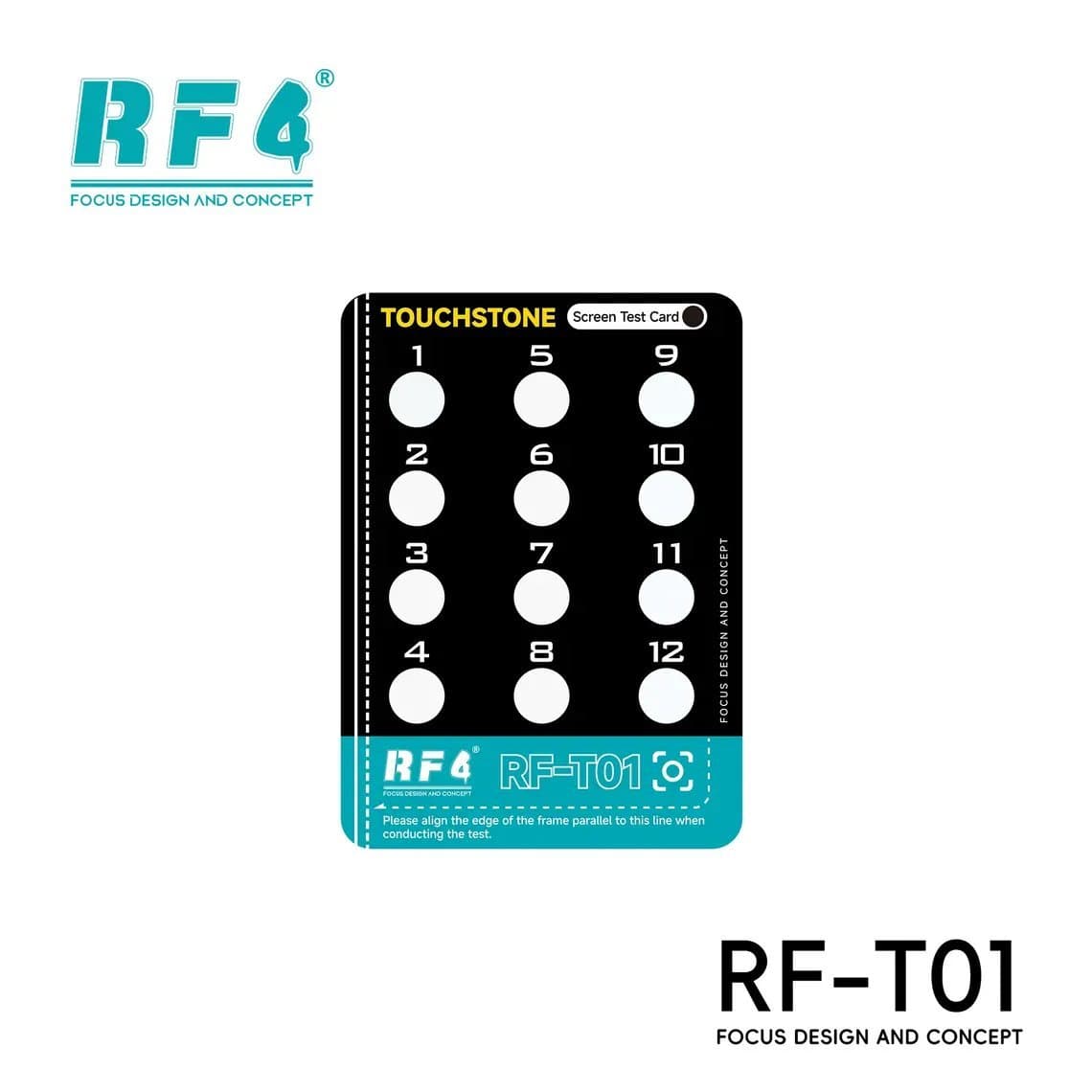
Before ordering, agree on the exact grade in writing and compare it against a reference such as our quality grades guide. If you want to understand how the main screen types differ in practice, read aftermarket vs original iPhone screens. Then verify what arrives. For iPhone screens, a test card such as the RF4 RF-T01 screen identification card or the FOG screen test card helps you check whether a display is an original panel, as described by each tool's maker. No single tool is perfect, so combine it with a visual check and a powered test.
Paying safely
Payment is where buyers lose the most money when things go wrong. A few habits reduce the risk:
- Start small. Make the first order one you could afford to lose. Increase order size only after two or three good deliveries.
- Use traceable methods. Bank transfer to a company account, card payment or a payment service with buyer records all leave a trail. Be cautious if a seller asks you to pay a personal account whose name does not match the company, or changes bank details by message.
- Confirm bank details by a second channel. If payment instructions change, verify them before sending money.
- Write down the terms. Quantities, grades, unit prices, shipping method, who pays shipping and what happens with faulty units should all be on the invoice or order confirmation.
- Keep records. Save invoices, chat logs, photos and tracking numbers. You may need them for a warranty claim or a dispute.
Buyer protection rules differ between payment methods and countries, so check what your own bank or payment provider actually covers before relying on it.
Shipping: express courier or freight
For most repair shops, express couriers such as DHL, FedEx and UPS are the practical choice. Parcels typically arrive in days rather than weeks, tracking is detailed, and customs clearance is usually handled by the courier. Freight by air cargo or sea becomes worth it only for large, heavy orders where you can wait and have someone to handle clearance.
Batteries are a special case. Lithium-ion batteries are classed as dangerous goods for air transport. Loose batteries shipped on their own fall under stricter rules than batteries packed with or inside a device, and they need proper packaging, labelling and a courier service that accepts them. Rules differ by courier, route and destination country, and they change, so confirm before ordering that your supplier ships batteries through a compliant service. A seller who offers to hide batteries in a general parcel is putting your shipment, and other people, at risk. For more on choosing and fitting replacement cells, see our iPhone battery replacement guide.
Customs duties and import taxes
Import duties, VAT, GST or sales tax and courier clearance fees are normally the buyer's responsibility, and they vary widely by country, product type and order value. Some couriers collect them before delivery; others invoice you afterwards. Things to check before your first order:
- The duty rate and import tax for phone parts in your country, and any value threshold below which they do not apply.
- Whether you need a business import number, tax registration or similar to clear goods.
- Whether your shipment is sent duties unpaid (you pay on arrival) or duties paid (the sender pays and prices it in).
- That the invoice describes the goods accurately. Under-declared values can cause delays, fines or seized parcels, and the problem lands on the importer.
If in doubt, ask a local customs broker or the courier's import desk. They can tell you exactly what applies to you.
Receiving and testing incoming stock
Testing on arrival protects you in two ways: you avoid fitting a faulty part into a customer's phone, and you report problems while the supplier's warranty is still running. A simple routine:
- Check the parcel before signing if your courier allows it. Photograph any damage to the box.
- Count and match. Compare quantities, models and grades against the invoice.
- Inspect visually. Look for cracked glass, bent frames, damaged flex cables and missing protective film.
- Power test screens. A tester like the W28 Pro screen and battery tester lets you check display and touch without opening a phone. On a bench phone, a Wylie battery switch cable speeds up repeated screen tests.
- Check batteries. Look for swelling, measure voltage and reject any cell that is puffed, dented or hot.
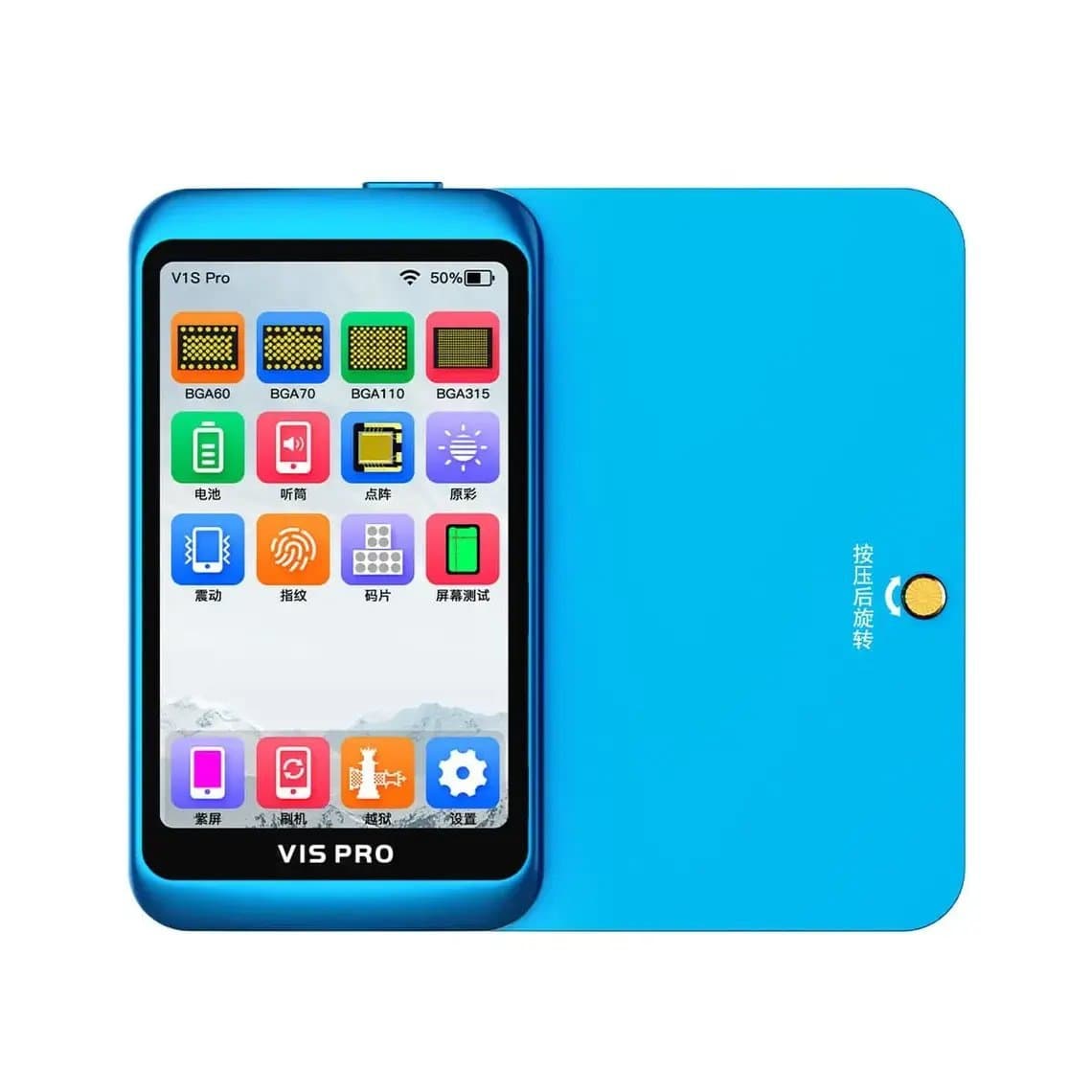
- Test True Tone and data transfer on a sample if you rely on a programmer such as the JCID V1S Pro for screen and battery work.
- Record and report. Note any faulty units with photos or video and send them to the supplier together, rather than one at a time.
Work on an anti-static mat with a wrist strap when handling screens and flex cables, and store batteries away from heat and metal objects. Remember that recent iPhones may show an "Unknown part" message after a non-Apple part is fitted; that is expected behaviour and does not mean the part is faulty.
Common mistakes when buying from China
- Choosing on price alone without asking what grade is being quoted.
- Placing a large first order with a supplier you have never tested.
- Forgetting to budget for duties and taxes, so the "cheap" order costs more than local stock.
- Leaving parts in the box for weeks and finding faults after the warranty has run out.
- Accepting batteries shipped without proper dangerous-goods handling.
Questions
Is it safe to buy phone parts from China?
Yes, if you choose the supplier carefully. Most of the world's phone parts come from China, and many shops buy there every week. The risks are grade confusion, poor testing and payment problems, which you reduce with sample orders, written terms and traceable payment.
What is Huaqiangbei?
Huaqiangbei is an electronics market district in Futian, Shenzhen. It is known for wholesale stalls selling phone parts, components and repair tools. Most overseas shops buy through wholesalers that source from the area rather than visiting in person.
Do I have to pay customs duty on phone parts from China?
Usually the buyer pays import duty and tax, but the amount depends on your country, the product and the order value. Some countries have a value threshold below which little or nothing is charged. Check with your courier or a customs broker before your first order.
Can phone batteries be shipped from China by air?
Yes, but lithium-ion batteries are dangerous goods and must be packed, labelled and shipped through a service that accepts them. Rules depend on the courier, route and destination. Only buy batteries from suppliers who ship them compliantly.
How LightspeedTools handles this
We are a Shenzhen wholesale supplier, so everything above is how we try to work. Parts are tested before shipping, and each screen grade is named clearly on our quality grades page, with written terms on our warranty page. Orders ship from Shenzhen by DHL, FedEx or UPS. Wholesale prices unlock after $500 of purchases, and you can reorder by SKU or CSV with Quick Order. Learn more about us, see how wholesale accounts work, browse iPhone screens, or contact us to ask about a sample order.