High Capacity iPhone Battery vs Standard: Which Should You Fit?
17 November 2026 · LightspeedTools team
Short answer: A high capacity iPhone battery packs a larger rated mAh into the same space as the original, while a standard battery matches Apple's original rating. High capacity can give longer runtime, but only if the cells are genuinely good, and quality varies widely between suppliers. For most customers a quality standard-capacity battery with fresh, zero-cycle cells is the safer default; offer high capacity when a trusted supplier stands behind it and the customer values runtime.
What "high capacity" actually means
Every iPhone battery is built to fit an exact pocket in the housing. Apple sets a rated capacity for each model, measured in milliamp hours (mAh). A standard replacement aims to match that rating. A high capacity replacement claims more mAh in the same physical size.
That is possible only if the cells hold more energy per unit of volume, or if the battery uses a little more of the available space. Battery chemistry does improve, so a modest increase is believable. Large jumps deserve suspicion. The printed number is a claim from the supplier, not a measurement you can see, and an inflated label costs nothing to print.
The trade-offs to keep in mind:
- Runtime. A genuine extra capacity gives longer use per charge. This is the whole selling point.
- Thickness and fit. Squeezing in more capacity can make the cell slightly thicker or larger. In a phone with tight tolerances, that can press on the display or the back.
- Heat and ageing. Denser or lower-grade cells may run warmer and lose capacity faster, so a battery that starts higher can end up lower after months of use.
- Consistency. Results vary batch to batch and supplier to supplier. One good batch does not guarantee the next.
The key point: cell quality matters more than the number on the label. A well-made standard battery that holds its rating for a year beats a high capacity battery that fades or swells in a few months.
Standard capacity: matching the original
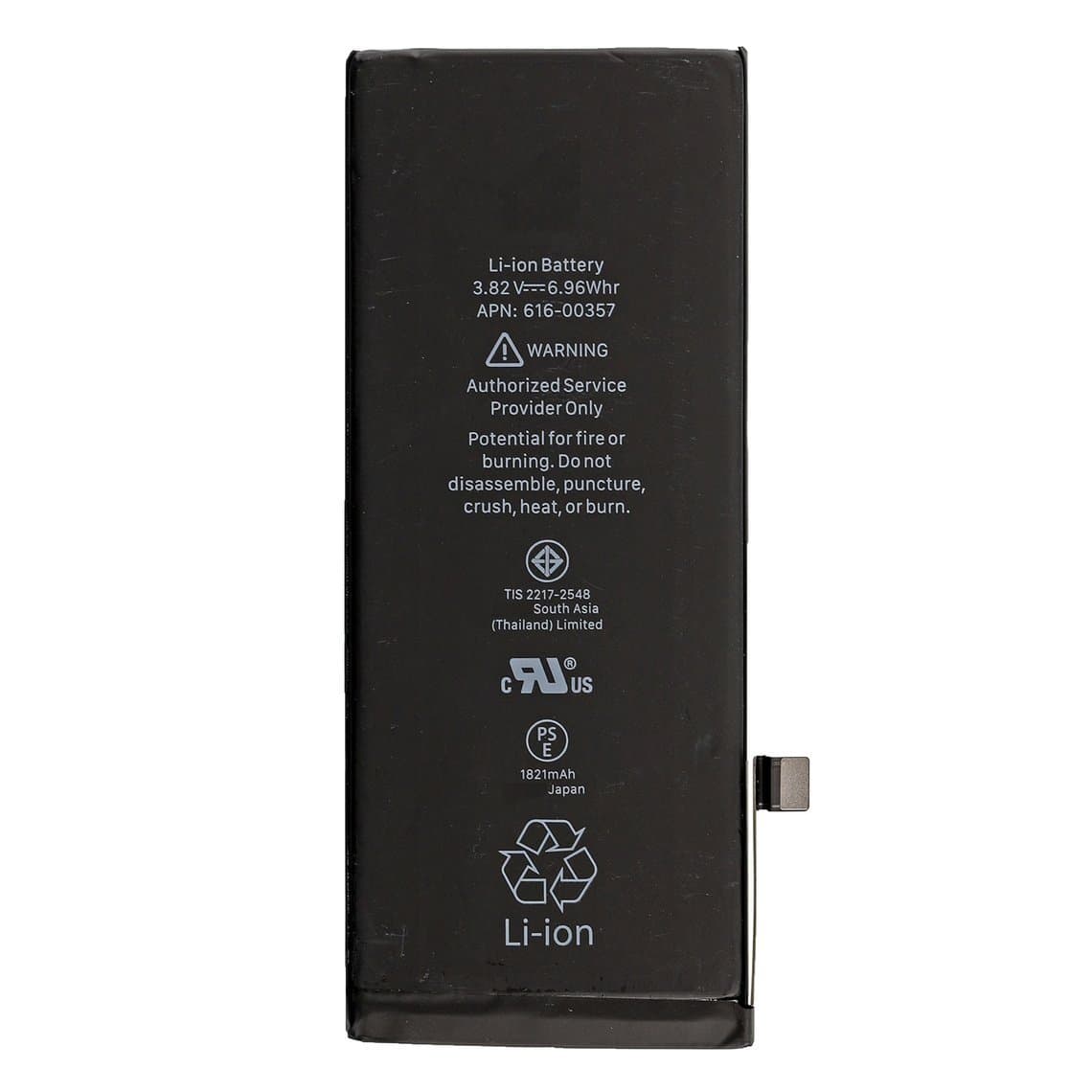
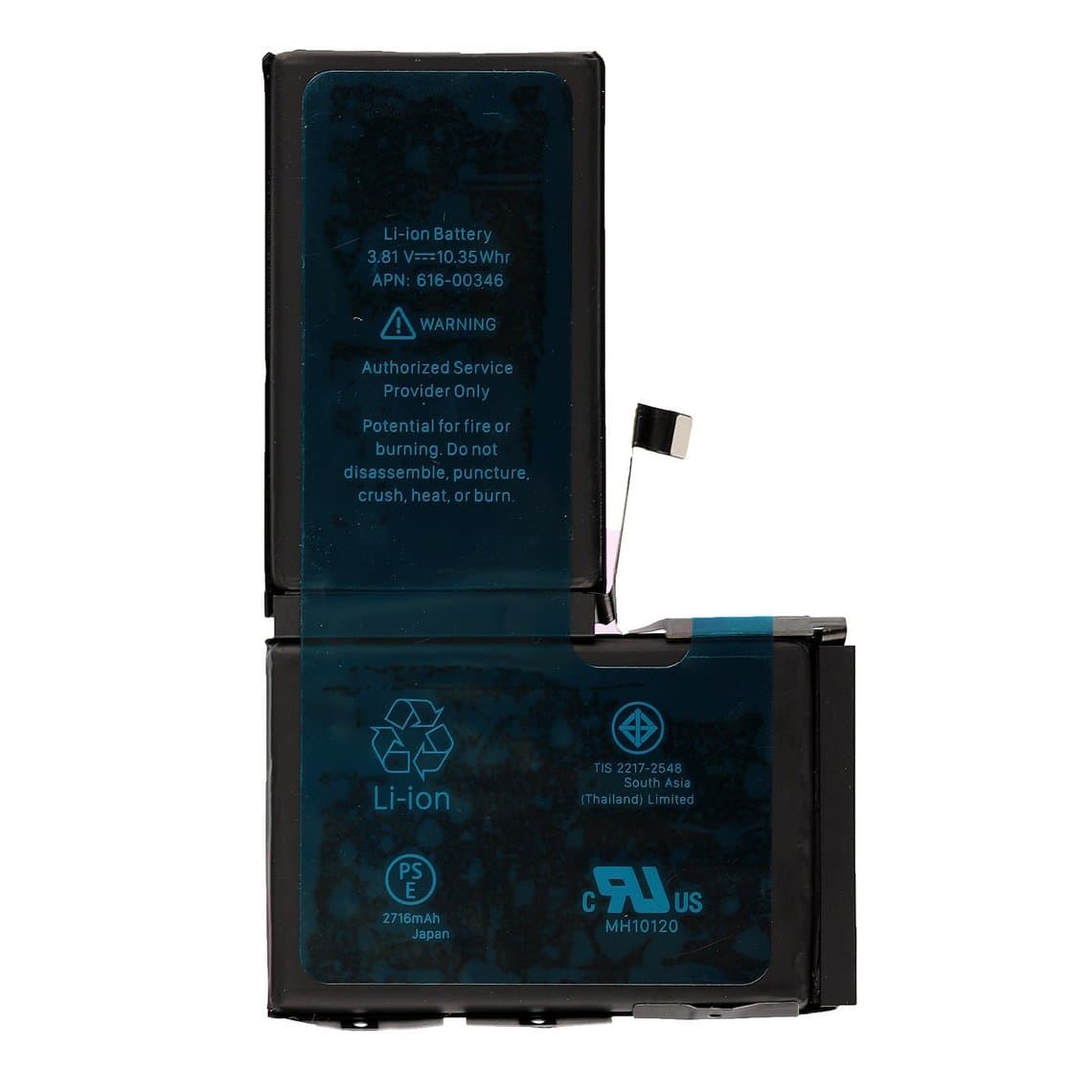
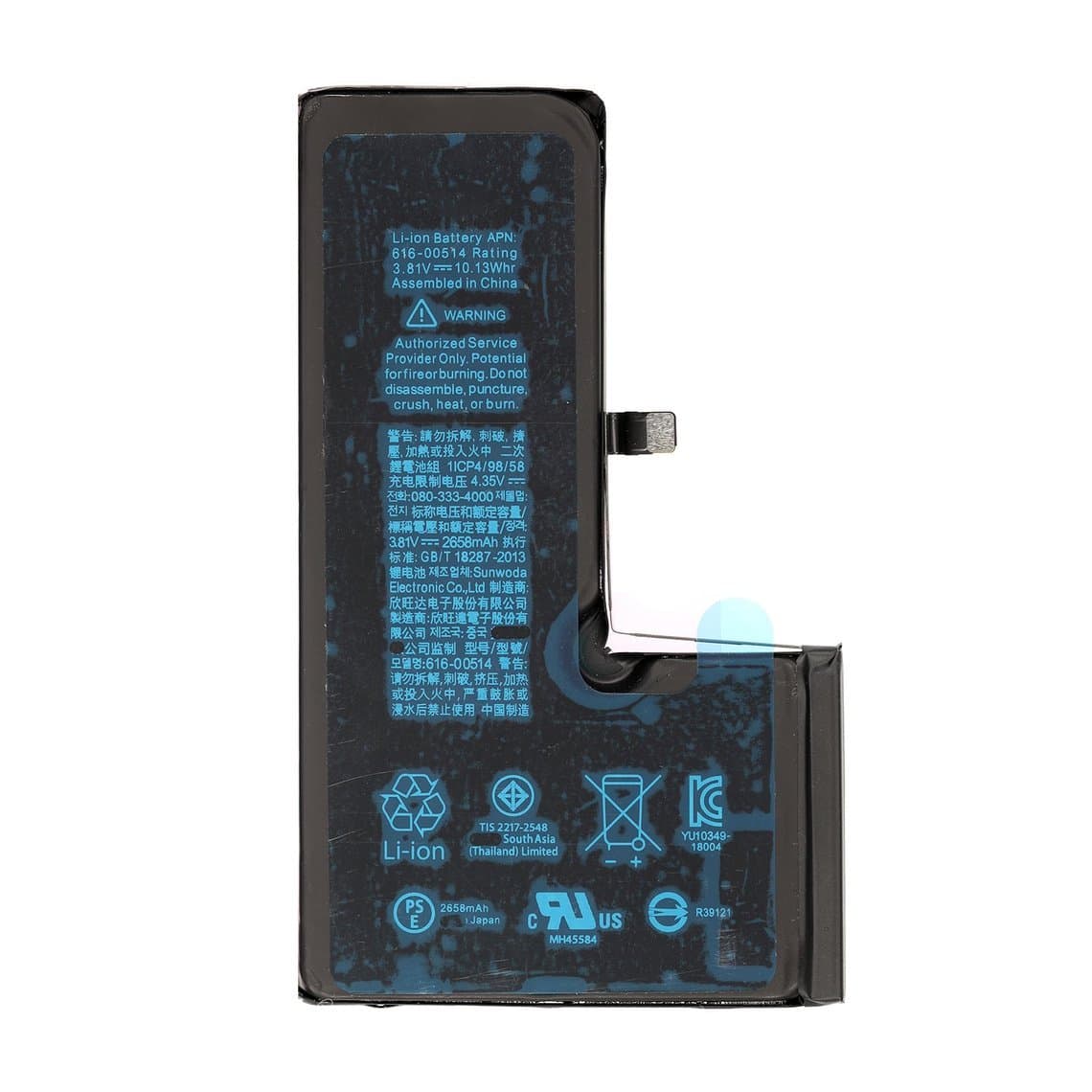
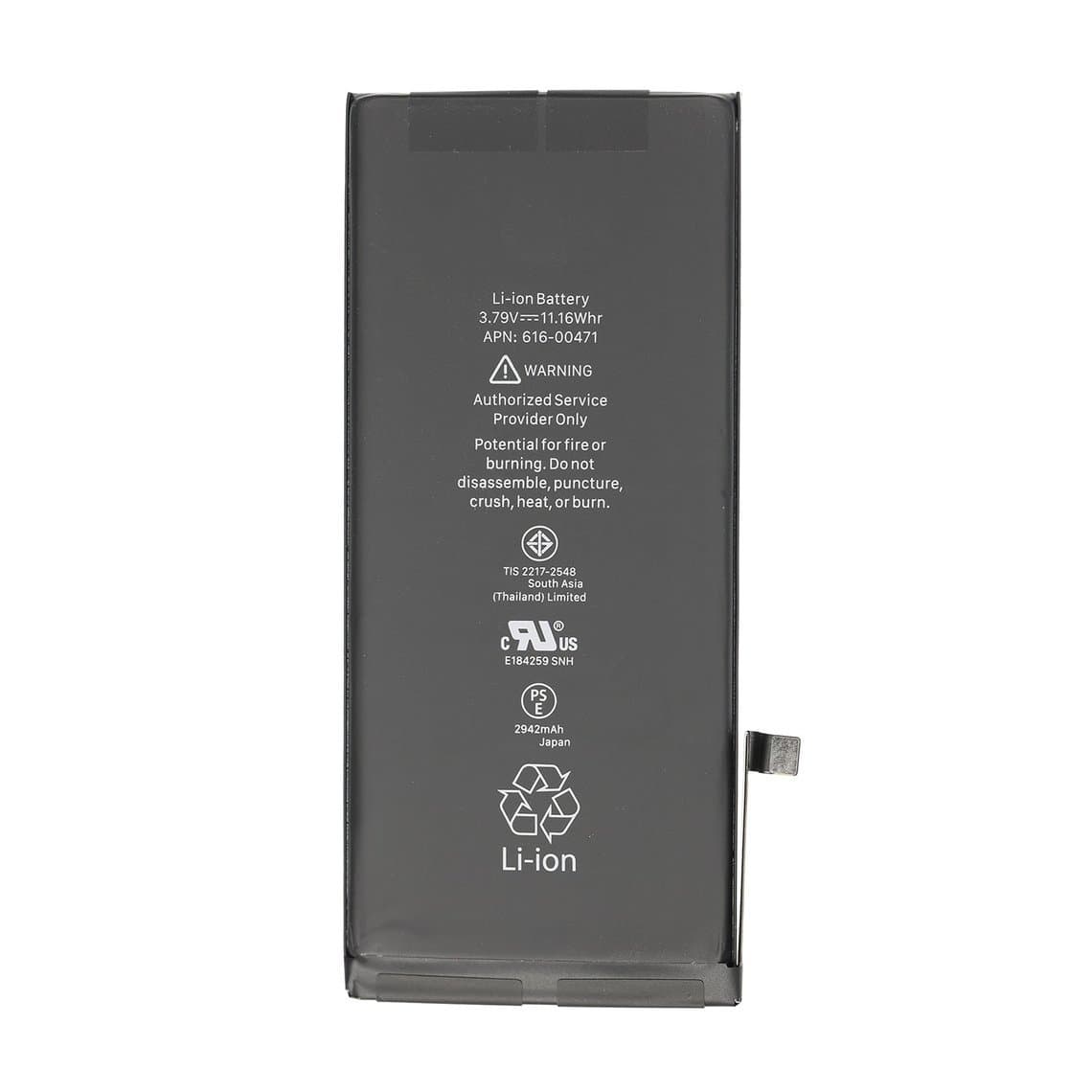
A standard-capacity battery is designed to match Apple's original rating for that model, so the phone behaves the way the customer remembers when it was new. Examples from our range, with the rating shown in each product title:
| Model | Battery |
|---|---|
| iPhone 8 | iPhone 8 battery 1821mAh |
| iPhone X | iPhone X battery 2716mAh |
| iPhone XS | iPhone XS battery 2658mAh |
| iPhone XR | iPhone XR battery 2942mAh |
| iPhone XS Max | iPhone XS Max battery 3174mAh |
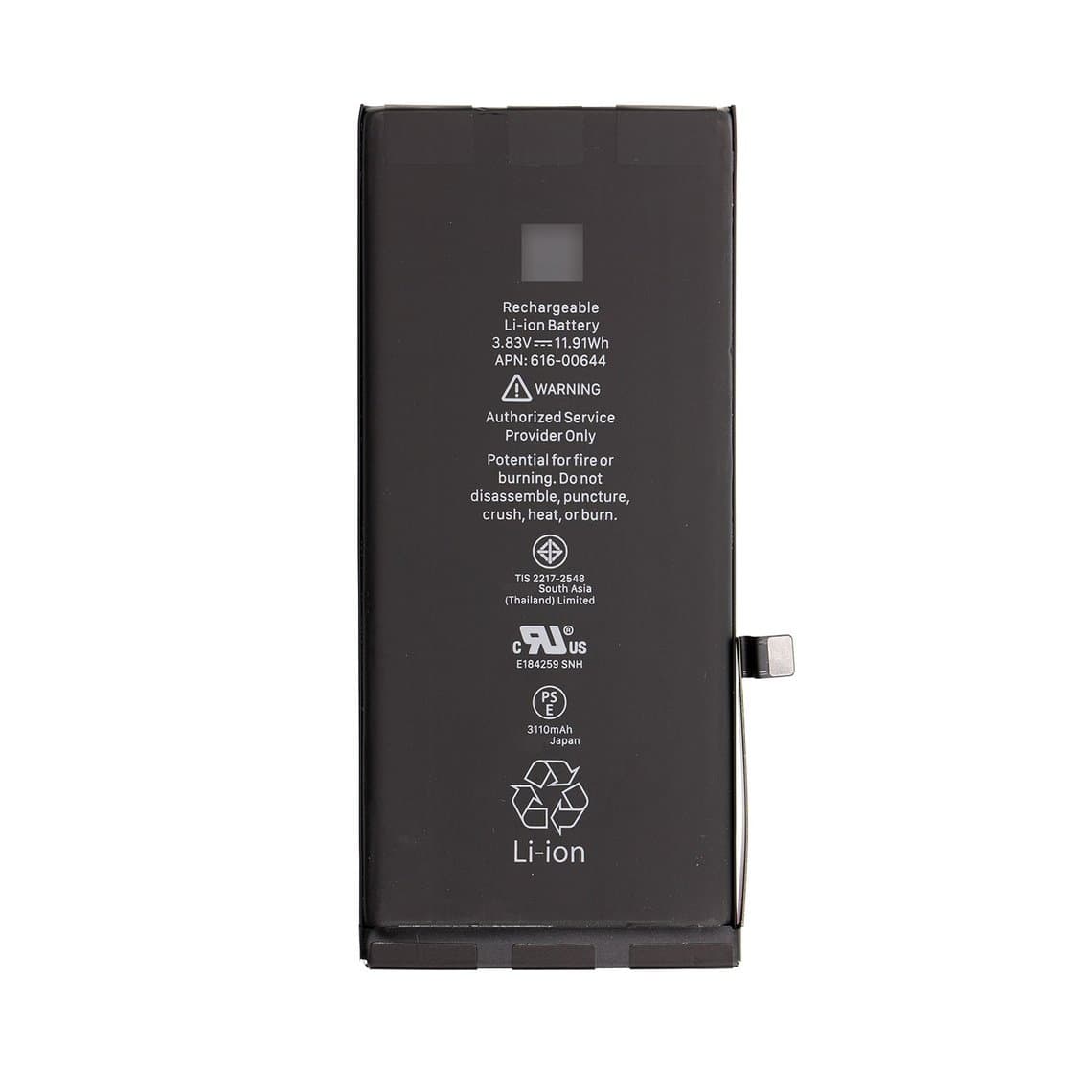
| iPhone 11 | iPhone 11 battery 3110mAh |
| iPhone 11 Pro | iPhone 11 Pro battery 3046mAh |
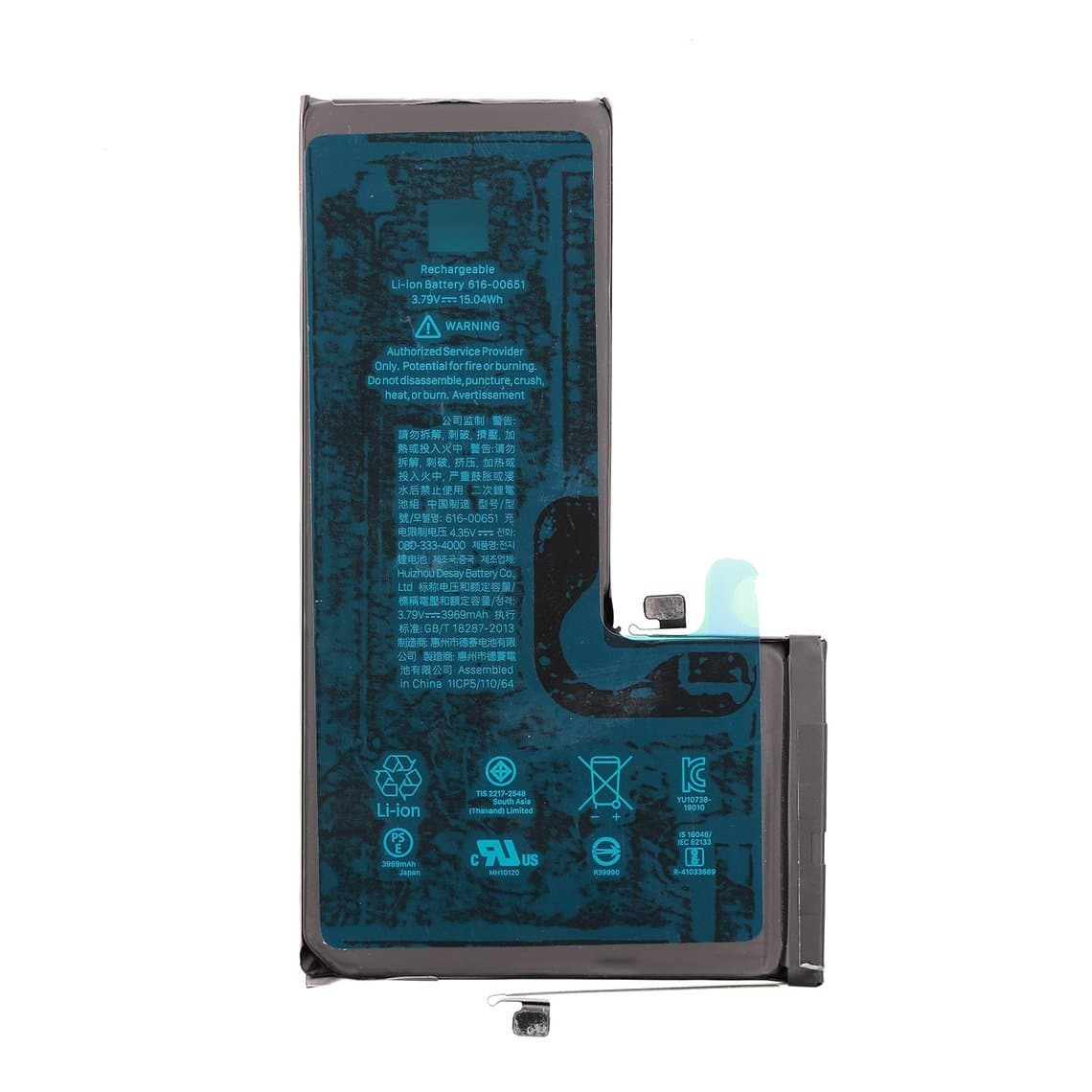
| iPhone 11 Pro Max | iPhone 11 Pro Max battery 3969mAh |
Batteries for newer models, from the iPhone 12 series onward, follow the same idea: fit the original size and specification. Standard capacity is predictable. It fits the pocket as designed, the charging behaviour matches what iOS expects, and you rarely see fit complaints.
Zero-cycle cells: the part that really matters
Whether you choose standard or high capacity, ask whether the cells are new. A "zero-cycle" battery has not been charged and discharged in use before it reaches you. Some low-cost batteries are built from recovered or long-stored cells, which can show a healthy label but weak real-world performance.
Signs of a good battery when it arrives:
- Flat, firm pouch with no puffiness, dents or creases.
- Clean, straight flex cable and an undamaged connector.
- Resting voltage in a normal storage range, not near zero. Batteries are usually shipped part-charged.
- Consistent build and labelling across the batch.
After fitting, a sensible check is a full charge and a light use test before handing the phone back. If one battery from a batch behaves very differently from the others, set it aside.
BMS, flex options and the battery health display
Each iPhone battery has a small circuit board, the battery management system (BMS), on its flex. It reports data to iOS, including the health percentage shown in Settings. On recent iPhones, a battery that iOS does not recognise as genuine triggers a notice such as "Unknown Part" or a service message, and the health percentage may not show. The battery still works and charges normally.
Shops handle this in a few ways, depending on the model:
- Battery with programmable BMS or "tag-on" flex. A small board that a battery health programmer can write data to, so iOS can show a health figure on supported models.
- Transferring the original BMS. Moving the original board onto the new cell. This needs spot-welding skill and care; it is not for beginners.
- Fitting as-is and explaining. Many customers accept the notice once you explain that the battery works fully and the message is about part recognition.
Our article on battery health programmers compared covers which tools support which models, and you can browse the battery health programmers range. For more on the notice itself, see the Unknown Part message on iPhone. Note that a high capacity battery's health reading depends on how its BMS is set up, so check with your supplier how capacity and health are reported.
Fit and thickness concerns
A battery that is even slightly too thick can cause problems that look unrelated:
- Pressure marks or uneven colour on the display.
- Back glass or housing that does not sit flat.
- Ghost touch or touch issues where the battery presses on the display flex.
- Extra heat because the cell has no room to breathe.
Test-fit before you peel the adhesive. Close the phone without the adhesive strips and check that the display sits flush and the phone feels the same in the hand. Replace thermal and protective parts that came off, such as the iPhone X battery bracket heat dissipation stickers, rather than leaving them out.
Safety: swelling and poor cells
Lithium-ion batteries are safe when built and handled well, and dangerous when they are not. Poor cells are more likely to swell, overheat or fail early. On the bench:
- Never fit a battery that is puffy, dented or punctured. Store it in a fire-safe container and dispose of it through a proper battery recycling route.
- Disconnect the old battery before any other connector, and do not let metal tools bridge the battery terminals.
- Do not bend the new battery during fitting. Use the pull tabs or a plastic card, never a metal pry tool.
- Do not heat a battery directly to soften adhesive. Use isopropyl alcohol where tabs are missing.
- Keep a sand tray or fire-safe bag near the bench.
The walk-through in our iPhone battery replacement guide covers the full opening and fitting process for each generation.
How to choose for each customer
| Customer | Usual choice | Why |
|---|---|---|
| Wants the phone to feel like new | Standard capacity | Predictable fit and behaviour |
| Heavy user, values runtime | High capacity from a trusted supplier | Extra runtime if the cells are genuine |
| Cares about the health percentage | Battery with programmable BMS on a supported model | Health can be shown after programming |
| Selling or trading in the phone | Standard capacity | Fewer questions from the next owner |
| Older, budget phone | Standard capacity | Best value and lowest risk |
Be clear with the customer. Tell them which type you are fitting, whether a notice will appear in Settings, and what the warranty covers. Batteries from us carry a 6-month warranty; see warranty details. Avoid promising a specific number of extra hours, because runtime depends heavily on usage, signal and screen brightness.
Common mistakes
- Choosing on the mAh label alone without knowing the cell source.
- Skipping the test fit, then chasing display marks or touch faults.
- Fitting a battery that arrived slightly swollen "because it still works".
- Not warning the customer about the battery notice in Settings.
- Mixing batches without checking that they behave the same.
Questions
Is a high capacity iPhone battery safe?
It can be, if the cells are new and well made and the battery fits the pocket properly. The risk comes from poor cells and inflated labels, not from the idea itself. Buy from a supplier who tests stock and offers a warranty.
Will a high capacity battery show battery health?
That depends on the battery's BMS and the iPhone model, not on the capacity. On recent iPhones, non-genuine batteries usually show a notice and may hide the health figure; a programmable BMS and a battery health programmer can restore the display on supported models.
Why does my new battery show lower capacity than the label?
Readings vary with the tool, temperature and charge state, and a new battery may need a few full cycles to report steadily. A large, persistent gap suggests weak or recovered cells, so compare it with others from the same batch.
Does a high capacity battery damage the iPhone?
A good one that fits correctly does not. Problems come from batteries that are too thick and press on the display, or from poor cells that run hot or swell. Always test-fit and inspect the battery before sealing the phone.
Browse standard-capacity batteries across iPhone generations in our iPhone batteries range, or ask about the high-capacity zero-cycle battery for the models it covers, each tested before it ships from Shenzhen with a 6-month warranty. Shops can open wholesale pricing and reorder fast with Quick Order by SKU or CSV.